
Dango is a popular Japanese street food made from rice flour and often skewered on sticks. It is typically enjoyed with various sweet or savory sauces.
Dango is a beloved treat found in street markets across Japan. Made from glutinous rice flour, these chewy rice dumplings are usually served on sticks. They come in different flavors and can be enjoyed with sweet soy sauce, red bean paste, or even savory accompaniments.
Dango’s versatility and delightful texture make it a favorite among locals and tourists alike. Its simple ingredients and quick preparation make it an ideal street food. Whether you have a sweet tooth or prefer something savory, there’s a dango variety for everyone. Its cultural significance and delicious taste make it a must-try in Japan.

Introduction To Dango
Dango is a popular Japanese street food. It is a type of rice dumpling. These dumplings are often skewered on sticks. They are usually served with sweet sauces. Dango is enjoyed as a snack or dessert. It comes in many flavors and colors. People love its chewy texture.
Dango has a long history in Japan. It dates back to the Heian period. That was more than 1,000 years ago. People offered Dango at temples. It was a part of religious ceremonies. Over time, it became a common street food. Today, Dango is enjoyed by people of all ages. It is a symbol of Japanese culture and tradition.
Types Of Dango
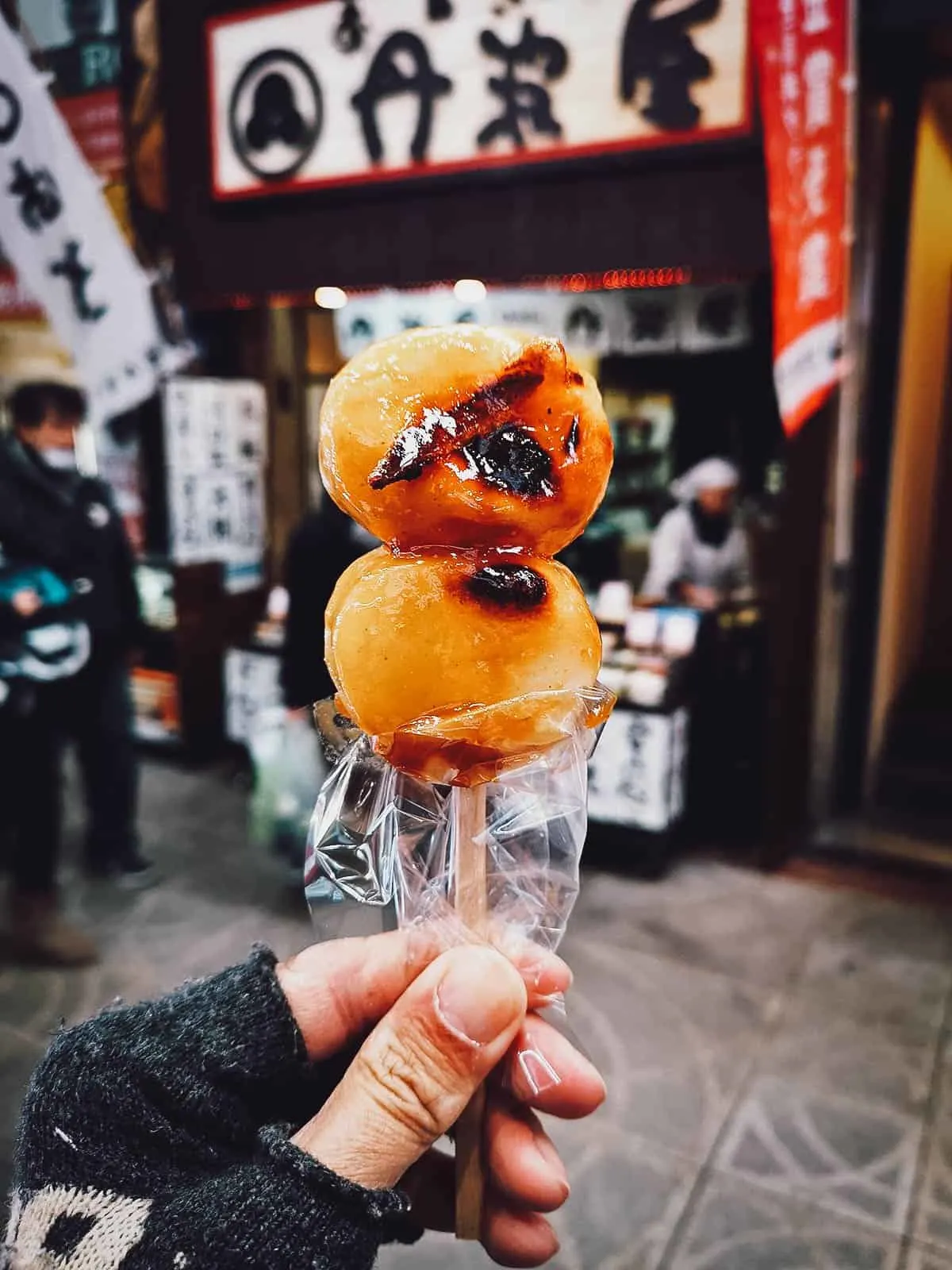
Mitarashi Dango is a popular Japanese street food. It consists of rice flour balls on a skewer. Each ball is grilled until it gets a slight char. After grilling, the balls are coated with a sweet soy sauce glaze. The glaze adds a unique flavor, both sweet and savory. People often enjoy it during festivals. The texture is chewy and delightful. Kids and adults both love it.
Anko Dango features red bean paste. The dango balls are made from rice flour. They are steamed until soft and chewy. Each ball is then topped with sweet red bean paste. The red bean paste is called anko in Japanese. Anko Dango is a favorite during traditional celebrations. The sweet and earthy taste is very satisfying. It pairs well with green tea. This dango is a treat for anyone with a sweet tooth.
Ingredients And Preparation
Dango needs glutinous rice flour and water. Sugar adds a sweet taste. Soy sauce gives a savory flavor. Green tea powder makes it green. Food colorings add fun colors. Skewers hold the dango balls together.
Mix glutinous rice flour with water. Knead until the dough is smooth. Divide into small pieces and roll into balls. Boil the balls until they float. Skewer the dango balls together. Brush with a mix of soy sauce and sugar. Grill until lightly charred. Serve hot or cold.

Cultural Significance
Dango is popular during Japanese festivals. People love to eat it at cherry blossom festivals. The sweet treat is also enjoyed during New Year’s celebrations. Dango is often sold at street stalls. These stalls are colorful and inviting. Families and friends gather to enjoy dango together. It creates a joyful atmosphere.
Dango has deep roots in Japanese culture. The round shape symbolizes unity and family. It is often used in rituals and ceremonies. People believe dango brings good luck. The different colors of dango represent the seasons. This makes it a meaningful treat for many.
Regional Variations
Dango, a beloved Japanese street food, boasts regional variations in flavor and presentation. Each area offers unique twists on this rice flour dumpling.
Kansai Style
Kansai style dango is famous for its soft texture. The rice flour dough is steamed, making it chewy. Kansai dango is usually served with a sweet soy sauce glaze. People in Kansai prefer a subtle sweetness in their dango. Kansai style dango is often enjoyed during festivals.
Kanto Style
Kanto style dango features a grilled exterior. The rice flour dough is grilled, giving it a crispy texture. Kanto dango is commonly served with a savory soy sauce. People in Kanto enjoy a stronger flavor in their dango. Kanto style dango is popular in street markets.
How To Enjoy Dango
Dango tastes great with green tea. The tea’s bitterness balances the sweet sauce of the dango. You can try matcha tea for a special treat. Many people love this combination. The flavors mix well in your mouth. Enjoying dango with tea is a traditional Japanese practice. It makes the experience more authentic. You can find green tea in most stores. Make sure it’s fresh for the best taste.
Dango is a popular street food in Japan. Vendors often sell it at festivals. The smell of grilled dango fills the air. It attracts many visitors. You can see the colorful skewers lined up. Each skewer has three or four dango balls. They are often covered in a sweet soy sauce glaze. This snack is easy to eat while walking. Many people enjoy it on the go. The street food experience adds fun to tasting dango.
Dango In Pop Culture
Dango appears often in anime and manga. Characters love to eat these sweet rice dumplings. They are usually shown on a stick, with three or four balls. The colors are often pink, white, and green. This treat makes characters smile and feel happy. Watching them enjoy dango can make viewers hungry too. Many fans want to try dango because of anime.
Dango is not just in anime. It also shows up in movies and TV shows. It is a popular snack in Japan. People see it at festivals and street markets. The sweet and chewy texture is loved by many. Dango is also a symbol of togetherness and joy. Families and friends often share it.
Making Dango At Home
To make Dango at home, gather these tools. A large mixing bowl is needed. Use a wooden spoon for stirring. A steamer will help cook the Dango. Skewers are essential for serving. A kitchen scale ensures accurate measurements. A clean surface is best for kneading the dough. Finally, a pot for boiling water is required.
Avoid over-mixing the dough. This makes the Dango too tough. Do not skip the steaming step. Steaming ensures the Dango cooks evenly. Always use fresh ingredients. Old ingredients affect the taste. Make sure to measure the ingredients correctly. Incorrect amounts can ruin the texture. Lastly, do not overcook the Dango. Overcooking makes them too hard.
Frequently Asked Questions
What Is Dango Made Of?
Dango is made of rice flour, water, and sometimes glutinous rice flour. These ingredients form a chewy, sweet dumpling.
How Do You Eat Dango?
Dango is typically served on skewers. It can be eaten plain or with various sweet sauces.
Is Dango Gluten-free?
Traditional Dango is gluten-free since it’s made from rice flour. Always check ingredients to confirm.
How Many Types Of Dango Are There?
There are many types of Dango, including Anko, Bocchan, and Mitarashi. Each has a unique flavor and style.
Conclusion
Dango is a delightful Japanese street food worth trying. Its chewy texture and sweet flavors captivate taste buds. Whether you’re visiting Japan or exploring local Japanese markets, don’t miss out on this treat. Enjoy dango as a snack or dessert and experience a piece of Japanese culinary tradition.
