
The Hachiko Statue in Shibuya is a popular landmark in Tokyo, Japan, commemorating loyalty and friendship. Located near Shibuya Station, the statue pays tribute to a faithful Akita dog named Hachiko.
Hachiko’s touching story of waiting for his owner at the station every day for years has become a symbol of devotion and love. Visitors from around the world come to see the bronze statue, which stands as a reminder of the enduring bond between humans and animals.
The statue not only attracts tourists but also serves as a meeting point and a symbol of loyalty and dedication. It is a must-visit site for anyone exploring the vibrant Shibuya district.
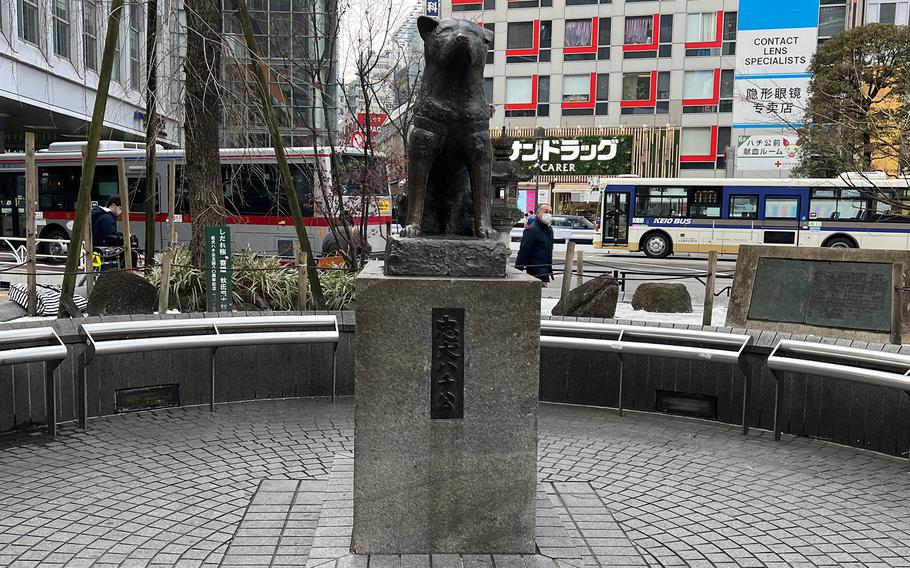
Credit: www.stripes.com
The Legend Of Hachiko
Shibuya, one of Tokyo’s busiest districts, is home to one of Japan’s most iconic landmarks – The Hachiko Statue. This bronze statue of a loyal dog has captured the hearts of locals and tourists alike for decades. But what is the story behind this legendary statue?
The Story Begins
In 1924, Hachiko, a golden brown Akita, was born on a farm in Akita Prefecture, Japan. A year later, he was given as a gift to Hidesaburo Ueno, a professor at the University of Tokyo. From then on, Hachiko became Ueno’s loyal companion.
Every morning, Hachiko would accompany his owner to Shibuya Station before heading back home. But on May 21, 1925, Ueno passed away while at work. When Hachiko waited for his owner’s return that evening but Ueno never showed up, Hachiko continued to return to Shibuya Station every day for the next nine years, waiting for his beloved owner to return.
Hachiko’s Daily Vigil
Despite being left alone, Hachiko never lost hope. He would arrive at Shibuya Station every afternoon, exactly when Ueno’s train would have arrived, and wait patiently for hours. Every day, Hachiko’s presence and loyalty touched the hearts of those who witnessed his daily vigil.
People began to bring him food and water, and soon enough, Hachiko became a beloved figure in the Shibuya community. He even caught the attention of newspapers and magazines, spreading his story far and wide.
Despite his advanced age and declining health, Hachiko continued to wait at Shibuya Station until his death on March 8, 1935. His legacy, however, lived on. In 1934, a year before his death, a bronze statue of Hachiko was erected in front of Shibuya Station, forever immortalizing his loyalty and devotion.
Today, the Hachiko Statue remains a popular meeting spot for locals and tourists alike. It serves as a reminder of the enduring bond between humans and animals, and the power of loyalty and dedication.
Unveiling The Statue
The First Statue
In 1934, the first Hachiko Statue was unveiled in Shibuya, Tokyo.
It was crafted by the renowned sculptor Teru Ando.
The statue honored the loyalty of Hachiko, a faithful Akita dog.
The Reconstruction
During World War II, the original statue was melted down for the war effort.
However, in 1948, a new statue was created by Takeshi Ando, Teru Ando’s son.
This statue stands as a symbol of unwavering loyalty and love.
Symbolism Of Loyalty
The Hachiko Statue in Shibuya embodies the Symbolism of Loyalty through its touching story.
Cultural Impact
The statue symbolizes unwavering loyalty and love between a dog and its owner.
- Teaches visitors about the value of faithfulness and commitment.
- Represents a significant cultural icon in Japanese society.
Global Recognition
The statue has gained Global Recognition for its heartwarming tale of loyalty.
- Attracts tourists worldwide to witness the remarkable bond portrayed.
- Has become a symbol of fidelity and devotion on an international scale.
Shibuya’s Iconic Landmark
The Hachiko Statue in Shibuya is a symbol of loyalty and love. It holds a special place in the hearts of locals and tourists alike.
A Meeting Point
The Hachiko Statue serves as a popular meeting spot for locals and visitors. Its central location in the bustling district of Shibuya makes it easily accessible.
Tourist Attraction
For tourists, the Hachiko Statue is a must-see attraction when visiting Tokyo. Its heartwarming story and significance in Japanese culture attract people from all over the world.
Artistic Representations
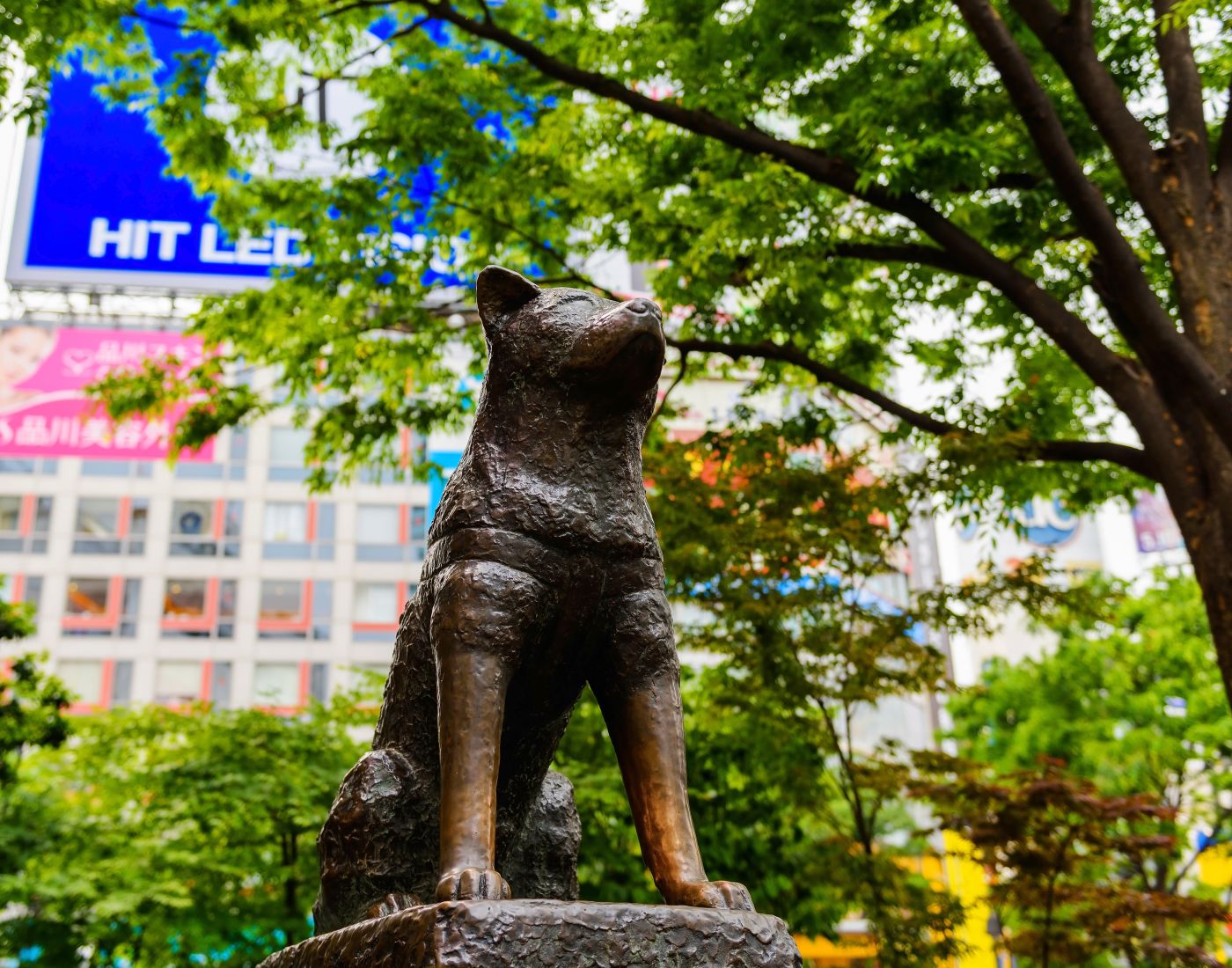
The Hachiko Statue in Shibuya is a popular tourist attraction known for its artistic representation of loyalty and dedication. The bronze statue depicts Hachiko, a loyal Akita dog who waited for his owner at the train station every day, even after his owner’s passing.
Artistic Representations: The Hachiko Statue in Shibuya is more than just a monument; it’s an artistic representation of loyalty and devotion. The statue depicts a beloved dog named Hachiko, who would wait for his owner every day at the train station, even after his owner passed away. The statue has become a symbol of love and dedication that has inspired artists from all over the world. Let’s explore some of the artistic details and the artist behind the work. Sculpture Details: The bronze statue of Hachiko is 4.6 feet high and weighs over 500 pounds. The statue captures the essence of Hachiko’s loyalty and devotion. The dog’s posture is alert, with his head turned towards the train station where his owner used to arrive. The statue also includes a few other details, such as the bag of food that Hachiko’s owner used to bring him every day. Artist Behind the Work: The artist who created the Hachiko Statue was Tern Ando, a Japanese sculptor. Ando was commissioned to create the statue in 1934, a year after Hachiko passed away. Ando was inspired by the story of Hachiko’s loyalty and devotion, and he wanted to create a statue that would capture the essence of the dog’s personality. Ando’s attention to detail and his ability to capture emotions in his sculptures made him the perfect candidate for the job. In conclusion, the Hachiko Statue in Shibuya is not just a monument but an artistic representation of loyalty and devotion. The statue’s details and the artist’s work behind it are a testament to the power of art in telling stories and inspiring emotions. The Hachiko Statue is a must-visit for anyone who wants to experience the beauty of art and the power of love.Hachiko In Media
Hachiko, the loyal Akita dog, has left a lasting impact on popular culture, with various media adaptations honoring his story. Let’s explore how Hachiko has been depicted in movies, books, and documentaries.
Movies And Books
- Heartwarming films like “Hachi: A Dog’s Tale” bring Hachiko’s story to life.
- Books like “Hachiko Waits” by Lesléa Newman capture the emotional bond between Hachiko and his owner.
Documentaries
- Documentaries like “Hachiko: The World’s Most Loyal Dog” delve into the true story of Hachiko.
- These films showcase the enduring legacy of Hachiko’s loyalty and love.
Ceremonies And Events
The Hachiko Statue in Shibuya is not only a popular tourist attraction, but it also serves as a venue for various ceremonies and events throughout the year.
Annual Commemorations
Every year on April 8th, the anniversary of Hachiko’s death, a solemn ceremony takes place at the statue. Visitors from all over the world gather to pay their respects and honor the loyalty of Hachiko. The event includes traditional Japanese rituals and heartfelt speeches by local dignitaries.
Special Tributes
In addition to the annual commemorations, the statue hosts special tributes to Hachiko. These tributes often coincide with significant milestones or events related to Hachiko’s story. Visitors can witness touching ceremonies and unique displays that celebrate the enduring legacy of Hachiko’s unwavering loyalty.
Preserving The Legacy
The Hachiko Statue in Shibuya holds a special place in the hearts of many, serving as a symbol of loyalty and devotion. Preserving the legacy of this iconic landmark is essential to honoring the story of Hachiko and the bond he shared with his owner. Through conservation efforts and educational initiatives, the legacy of Hachiko continues to inspire and captivate visitors from around the world.
Conservation Efforts
Preserving the Hachiko Statue involves regular maintenance and restoration to ensure its longevity. The use of specialized cleaning techniques and materials helps protect the statue from environmental factors and wear over time. Additionally, periodic inspections are conducted to address any signs of deterioration and implement necessary repairs.
Educational Initiatives
Engaging and informative educational programs are vital in sharing the story of Hachiko with visitors of all ages. Interactive displays and guided tours offer insights into the historical significance of the statue, as well as the enduring legacy of Hachiko’s unwavering loyalty. Through these initiatives, visitors gain a deeper understanding of the bond between Hachiko and his owner, perpetuating the statue’s profound impact for generations to come.
Visitor Experiences
The Hachiko Statue in Shibuya is not just a popular landmark, but a place where visitors create lasting memories.
Personal Stories
- Visitors often share touching stories of loyalty and friendship at the statue.
- People recount heartwarming tales of Hachiko’s devotion to his owner.
- Many visitors feel a deep emotional connection to the statue’s significance.
Photography And Souvenirs
- Visitors enjoy capturing memorable moments with the iconic statue.
- Photography enthusiasts find unique angles to showcase the statue’s beauty.
- There are various souvenir shops nearby offering Hachiko-themed gifts.

Credit: www.japantimes.co.jp
Beyond Shibuya
Beyond Shibuya, the Hachiko Statue has become a symbol of loyalty and devotion not just in Japan but all over the world. The story of Hachiko’s unwavering loyalty to his owner has inspired many, and the statue erected in his honor has become a popular tourist destination in Shibuya.
Statues Worldwide
The Hachiko Statue in Shibuya is not the only monument dedicated to a loyal dog. In Scotland, the Greyfriars Bobby statue honors a dog who remained at his owner’s grave for 14 years. In Moscow, a bronze statue of a dog named Malchik stands in front of a train station, a tribute to the dog who saved a baby from a train track. These statues show that the story of Hachiko has resonated with people all over the world, inspiring them to honor their own loyal companions.
Inspirational Effects
The Hachiko Statue has had a profound effect on people, inspiring them to be more loyal and dedicated in their own lives. Many visitors to the statue leave offerings of flowers and treats, a testament to the enduring love people have for their pets. The statue has also been the subject of numerous books, films, and documentaries, further spreading the message of loyalty and devotion. The story of Hachiko reminds us that there is something special about the bond between humans and animals, and that loyalty and love can transcend even death.
The Future Of Hachiko’s Story
Continued Relevance
The unwavering loyalty of Hachiko continues to resonate with people worldwide.
New Generations
Younger generations are discovering Hachiko’s tale through various media and educational platforms.
Comparative Symbolism
The Hachiko Statue in Shibuya holds deep symbolic significance in Japanese culture. Let’s explore its Comparative Symbolism:
Similar Stories Around The World
Many countries have stories of loyal animal companions, like Greyfriars Bobby in Scotland.
In Sweden, there’s Bamse, the St. Bernard known for his kindness and loyalty.
Cultural Differences And Similarities
- Japan: Hachiko symbolizes loyalty and devotion.
- Scotland: Greyfriars Bobby represents loyalty and friendship.
- Sweden: Bamse embodies courage and compassion.
The Science Of Loyalty
Animal Behavior Studies
Studies on animal behavior have shown that loyalty is a common trait among many species, including dogs. Research has revealed that dogs exhibit loyalty through their unwavering devotion to their owners, often displaying behaviors that reflect their deep emotional connection.
The Bond Between Humans And Dogs
The bond between humans and dogs is a remarkable example of loyalty and companionship. Dogs have been by our side for thousands of years, providing unwavering support, protection, and love. This unique relationship has been the subject of numerous studies, highlighting the profound emotional and psychological benefits of human-dog interactions.
Educational Impact
The Hachiko Statue in Shibuya has a significant educational impact, serving as a symbol of loyalty and dedication. This statue is a popular destination for tourists and locals alike, but it also offers valuable lessons that can be incorporated into educational curriculum.
Lessons In Loyalty
The story of Hachiko is a powerful example of loyalty, as the faithful dog waited for his owner at the train station every day, even after his owner’s death. This devotion is a lesson that can be taught to children and young adults, encouraging them to stay committed and loyal to their loved ones and responsibilities.
Curriculum Inclusions
The Hachiko Statue can be incorporated into various subjects, such as history, geography, and language arts. For example, history lessons can focus on the significance of the statue and the story of Hachiko, while geography lessons can explore the culture and traditions of Japan. Language arts can involve reading and analyzing literature related to the story of Hachiko or even writing a narrative from the perspective of the loyal dog.
Community And Identity
Shibuya, known for its bustling streets and vibrant atmosphere, is a district in Tokyo that embraces a strong sense of community and identity. At the heart of this vibrant neighborhood stands the iconic Hachiko Statue, which has become a symbol of loyalty and resilience.
Shibuya’s Transformation
In recent years, Shibuya has undergone a remarkable transformation, evolving from a simple residential area to a thriving hub of culture, fashion, and entertainment. This transformation has played a significant role in shaping the community and identity of Shibuya. The district has become a gathering place for both locals and tourists, fostering a sense of belonging and camaraderie.
Hachiko’s Role
Hachiko, the loyal Akita dog, holds a special place in the hearts of Shibuya’s residents and visitors alike. The statue was erected in honor of Hachiko’s unwavering loyalty to his owner, even after his owner’s passing. This heartwarming story has touched people around the world, making Hachiko an enduring symbol of loyalty and devotion.
The presence of the Hachiko Statue has not only become a popular meeting point but has also become an emblem of Shibuya’s identity. It serves as a reminder of the values that the community holds dear, such as loyalty, perseverance, and unity. Visitors from all walks of life are drawn to the statue, captivated by the story it represents and the sense of connection it brings.
As Shibuya continues to evolve and grow, the Hachiko Statue remains a constant, reminding us of the enduring spirit of community and identity that defines this vibrant district. It serves as a testament to the power of loyalty and the impact one small act of devotion can have on an entire community.
Merchandise And Memorabilia
The Hachiko Statue in Shibuya is a popular landmark, and visitors often seek merchandise and memorabilia to commemorate their visit. The statue, honoring the loyal Akita dog, attracts tourists who want to take home souvenirs of their time in this iconic Tokyo district.
The Hachiko Statue in Shibuya has become an iconic symbol of loyalty and devotion, attracting visitors from all over the world. It is no surprise that there is a wide range of merchandise and memorabilia available, allowing fans to take home a piece of this heartwarming story.
Collectibles
For avid collectors, there is a plethora of Hachiko-inspired collectibles to choose from. These range from miniature replicas of the statue itself to limited edition figurines capturing Hachiko’s endearing pose. These collectibles not only serve as decorative items but also as reminders of the unwavering loyalty that Hachiko embodied.
Fashion And Design
The impact of Hachiko can also be seen in the fashion and design industry. From t-shirts and hoodies featuring Hachiko’s image to accessories such as keychains and phone cases, there are plenty of ways to incorporate this beloved canine into your personal style. Designers have embraced Hachiko’s story, creating stylish and trendy pieces that pay homage to his remarkable tale.
Digital Tributes
Discover the heartwarming digital tributes to the iconic Hachiko Statue in Shibuya, showcasing modern artistry and cultural preservation. Engage with the captivating blend of tradition and technology through these innovative tributes.
The Hachiko Statue in Shibuya has inspired various digital tributes globally.Online Communities
Online communities share stories and artwork inspired by Hachiko’s loyalty.Virtual Reality Experiences
Virtual reality allows users to visit Hachiko Statue virtually from anywhere. The statue’s legacy continues to thrive through digital platforms.The Sociology Of Monuments
The Hachiko Statue in Shibuya is a significant monument that embodies the sociology of monuments. It represents loyalty and devotion, reflecting the cultural and historical importance of the relationship between humans and animals in Japanese society. The statue serves as a powerful symbol of love and faithfulness, attracting both locals and tourists alike.
Public Spaces And Memory
Monuments play a vital role in shaping public spaces and preserving memories.
Monuments In Modern Society
In modern society, monuments serve as symbols of cultural significance and historical remembrance.
The Sociology of Monuments Monuments are reflections of society’s values and collective memory.Public Spaces And Memory
Monuments in public spaces evoke emotions and connect people to shared histories.
Monuments In Modern Society
Modern monuments contribute to identity, heritage, and social cohesion.
Environmental Considerations
The Hachiko Statue in Shibuya is not only a symbol of loyalty and devotion but also a popular tourist attraction. However, it is important to consider the environmental impact of visiting and preserving this iconic landmark. In this section, we will explore sustainable tourism practices and eco-friendly initiatives that can help protect the environment while enjoying the Hachiko Statue.
Sustainable Tourism
When visiting the Hachiko Statue, practicing sustainable tourism is crucial to minimize negative impacts on the environment. Here are a few ways to ensure your visit is sustainable:
- Use public transportation: Opt for trains or buses to reach Shibuya instead of private vehicles to reduce carbon emissions.
- Walk or cycle: Explore the area around the statue on foot or rent a bicycle to reduce pollution and enjoy a greener experience.
- Support local businesses: Choose to dine at local restaurants and purchase souvenirs from local shops to contribute to the local economy.
Eco-friendly Practices
In addition to sustainable tourism, there are several eco-friendly practices that can be followed to minimize the environmental impact of the Hachiko Statue:
- Waste management: Dispose of any waste in designated bins and follow recycling guidelines to keep the area clean and reduce landfill waste.
- Use reusable items: Bring a reusable water bottle and snack containers to minimize single-use plastics during your visit.
- Respect nature: Avoid damaging plants or disturbing wildlife in the vicinity of the statue to preserve the natural ecosystem.
By adopting these sustainable tourism and eco-friendly practices, visitors can enjoy the Hachiko Statue while minimizing their environmental footprint. Let’s all play our part in preserving this beloved symbol of loyalty and the surrounding environment for future generations to appreciate.
Legal And Ethical Aspects
When it comes to the iconic Hachiko Statue in Shibuya, there are several legal and ethical aspects that need to be considered. From copyrights and replicas to the moral rights of stories, let’s delve into the intricacies of these topics.
Copyrights And Replicas
In terms of copyrights, the Hachiko Statue is a protected work of art. The design, sculpture, and any accompanying visual elements are owned by the original creator or their estate. This means that reproducing or creating replicas of the statue without proper authorization infringes upon the rights of the copyright holder.
However, it’s essential to note that there are licensed replicas of the Hachiko Statue available for purchase. These replicas are authorized by the copyright holder and provide fans with the opportunity to own a piece of this iconic symbol.
Moral Rights Of Stories
The story of Hachiko’s loyalty has touched the hearts of people worldwide, and it is crucial to respect the moral rights associated with this narrative. While the statue itself represents a physical embodiment of Hachiko’s devotion, the story behind it holds immense cultural significance.
Respecting the moral rights of stories means acknowledging the original author’s right to be recognized as the creator of the narrative. It also involves ensuring that the story is not altered or used in a way that could damage its cultural value or misrepresent its essence.
Therefore, when discussing or sharing the story of Hachiko, it is important to provide proper attribution to the original source and to approach it with sensitivity and reverence.
Credit: www.gotokyo.org
Frequently Asked Questions
Is The Hachiko Statue Still There?
Yes, the Hachiko statue is still there. It is located outside Shibuya Station in Tokyo, Japan. The statue was erected in honor of a loyal dog named Hachiko who waited for his owner at the station every day, even after his owner passed away.
The statue has become a popular meeting spot for people in the area.
Is Hachi A True Story Statue?
Yes, Hachi is based on a true story, and the statue in Shibuya honors the loyal dog.
Where Is The Hachiko Statue With The Owner?
The Hachiko statue with the owner is located at Shibuya Station in Tokyo, Japan.
How Many Statues Of Hachiko Are There?
There are multiple statues of Hachiko. The most famous one is in Tokyo, outside Shibuya Station.
Conclusion
The Hachiko Statue in Shibuya is not just a monument, but a symbol of loyalty and devotion. Its significance goes beyond its bronze structure; it represents the timeless bond between a dog and its owner. The statue serves as a reminder of the incredible story of Hachiko, a faithful dog who continued to wait for his deceased owner at the same spot every day.
This heartwarming tale has touched the hearts of millions, making the statue a must-visit landmark in Tokyo. Whether you’re a dog lover or not, the Hachiko Statue is a testament to the power of love and loyalty that transcends time and language.
