
Mount Asahi is the highest peak in Hokkaido, Japan, known for its volcanic origins and scenic beauty. Standing at 2,290 meters, it offers breathtaking views of the surrounding landscapes and is a popular destination for hikers and nature enthusiasts.
The mountain is part of the Daisetsuzan National Park, home to diverse flora and fauna, making it a haven for outdoor adventurers seeking an immersive wilderness experience. With its snow-capped peaks, lush forests, and alpine meadows, Mount Asahi presents a picturesque setting for visitors to explore and appreciate the wonders of nature.
Whether you're an experienced climber or a casual hiker, this iconic mountain promises an unforgettable journey into the heart of Hokkaido's untamed wilderness.
Introduction To Mount Asahi
Mount Asahi is the tallest mountain in Hokkaido, Japan, reaching a height of 2,291 meters. It is a popular destination for hikers and skiers due to its stunning views and challenging terrain.
Japan's Premier Climbing Destination
Mount Asahi, also known as Asahidake, is a majestic mountain located in the Daisetsuzan National Park in Hokkaido, Japan. It is the tallest peak in Hokkaido, standing at an impressive 2,290 meters above sea level. Mount Asahi is renowned for being Japan's premier climbing destination, attracting hikers and mountaineers from all over the world.Myth And Majesty: The Cultural Significance
Mount Asahi holds a significant cultural and spiritual significance in Japan. It is believed to be the dwelling place of the gods and is considered a sacred mountain by the indigenous Ainu people. According to Ainu mythology, the god of the mountain, Kamui Mintara, created the landscape of the mountain as a playground for the gods. The awe-inspiring beauty of Mount Asahi has also captured the imagination of many Japanese artists and writers. In fact, the mountain has been depicted in numerous works of literature, poetry, and art. It is a symbol of Japan's natural beauty, resilience, and spiritual heritage. In conclusion, Mount Asahi is a must-visit destination for anyone who loves nature and adventure. Its towering peaks, breathtaking vistas, and cultural significance make it a unique and unforgettable experience. Whether you're an experienced mountaineer or a novice hiker, Mount Asahi is the perfect destination for your next adventure.Preparation Essentials
Prepare for your Mount Asahi adventure with these essential tips and gear recommendations. Ensure you have proper hiking boots, layers for changing weather, and plenty of water for the journey. Stay safe and enjoy the breathtaking views at the summit!
Packing The Right Gear
- Warm clothing for cold temperatures.
- Sturdy hiking boots with good grip.
- Sunscreen and sunglasses for UV protection.
Physical Conditioning For The Ascent
- Regular cardio workouts to build endurance.
- Strength training for leg muscles.
- Practice hiking on steep terrains.
Best Time To Climb
When planning a climb up Mount Asahi, it's crucial to consider the best time to tackle this breathtaking peak. The timing of your ascent can significantly impact your experience, so understanding the weather patterns and climbing seasons is essential.
Weather Patterns
The weather on Mount Asahi is highly variable, with temperatures ranging from mild to extreme. The mountain experiences heavy snowfall in winter, making climbing hazardous and challenging. Spring and summer bring milder conditions, but it's important to be prepared for sudden changes in weather at any time.
Climbing Seasons
The best time to climb Mount Asahi is during the summer months, from July to early September. This period offers the most favorable weather conditions, with milder temperatures and reduced risk of snowfall. It's essential to check the local forecasts and consult with experienced guides before planning your climb.
Advantages Of Off-peak Climbing
Off-peak climbing, outside of the popular summer season, has its advantages. While the weather may be less predictable, the mountain is less crowded, allowing for a more serene and intimate experience. Additionally, accommodations and guide services may be more readily available during the off-peak periods.
Navigating The Trails
Embark on an exhilarating journey to conquer Mount Asahi's trails, offering breathtaking views and challenging terrain. Navigate the diverse landscapes, from lush forests to rugged slopes, and experience the thrill of reaching the summit. Immerse yourself in nature's grandeur and create unforgettable memories along the way.
Navigating the Trails of Mount Asahi Mount Asahi is a majestic peak located in the northern region of Hokkaido, Japan. It is the highest mountain in the Daisetsuzan National Park and attracts many hikers and mountaineers every year. If you're planning to hike this beautiful mountain, it's important to understand the different routes and have some safety tips in mind. In this post, we'll cover everything you need to know to navigate the trails of Mount Asahi safely and enjoyably. Understanding the Different Routes Mount Asahi offers several hiking trails, each with varying levels of difficulty and terrain. Here are the three most popular routes: 1. Asahidake Ropeway Trail: This is the easiest and most popular route. You can take a ropeway to the 7th station and then hike for about an hour to reach the summit. 2. Sugatami Trail: This is a moderate route that takes you through beautiful alpine scenery. It takes about 3-4 hours to reach the summit. 3. Waterfall Trail: This is the most challenging route and requires advanced hiking skills. It takes about 8-10 hours to reach the summit, but you'll be rewarded with breathtaking views of waterfalls and pristine forests. Safety Tips for Trail Navigation Hiking in Mount Asahi can be a thrilling experience, but it's important to keep safety in mind. Here are some tips to help you navigate the trails safely: 1. Check the weather forecast before you start hiking and avoid hiking during bad weather. 2. Make sure you have proper hiking gear, including sturdy hiking boots, warm clothing, and a rain jacket. 3. Bring enough food and water to keep you hydrated and energized throughout the hike. 4. Stay on the marked trails and avoid taking shortcuts. 5. If you're hiking alone, let someone know your route and expected time of return. 6. If you encounter any wildlife, keep a safe distance and do not disturb them. By following these safety tips and understanding the different routes, you'll be able to navigate the trails of Mount Asahi confidently and safely. Happy hiking!Accommodation And Facilities
When visiting Mount Asahi, you have various accommodation options to suit your preferences.
Staying At Asahidake Onsen
Experience a serene stay at Asahidake Onsen, offering traditional Japanese hot spring baths.
- Cozy ryokans with tatami rooms
- Delicious local cuisine
- Relaxing onsens with mountain views
Mountain Huts And Camping Options
For adventurers, mountain huts and camping sites provide a closer connection to nature.
- Basic huts for overnight stays
- Campgrounds with stunning vistas
- Opportunity to stargaze and enjoy the wilderness
Wildlife And Flora
Mount Asahi is not only renowned for its breathtaking views and challenging hiking trails, but also for its diverse wildlife and captivating flora. Exploring the mountain's enchanting ecosystem offers a unique opportunity to encounter a wide range of animals and discover the vibrant alpine vegetation.
Encountering Mount Asahi's Wildlife
The wildlife on Mount Asahi is a sight to behold, with various species thriving in this natural habitat. As you venture through the mountain trails, keep your eyes peeled for glimpses of the majestic Hokkaido brown bear, known for its impressive size and strength. Other notable animals that call Mount Asahi home include the elusive Blakiston's fish owl, the agile Hokkaido red fox, and the graceful sika deer. Observing these magnificent creatures in their natural surroundings is an awe-inspiring experience that will leave a lasting impression.
Alpine Flowers And Vegetation
The alpine flowers and vegetation found on Mount Asahi are a testament to the mountain's ecological richness. As you ascend, you'll be greeted by a tapestry of vibrant colors and delicate blooms. Some of the most common alpine flowers you'll encounter include the iconic Ezo-yama-rindo, a beautiful pink blossom, and the elegant purple Ishikari-gusa. The mountain's vegetation also boasts a variety of shrubs, grasses, and mosses, each contributing to the overall charm of the landscape. Take a moment to appreciate the intricate beauty of these plants as they add a touch of serenity to your hiking experience.
Photography Tips
Capturing stunning photographs of Mount Asahi requires careful consideration of lighting, composition, and timing. Whether you're an amateur or professional photographer, the following tips will help you make the most of your visit to this breathtaking location.
Capturing The Sunrise
To capture the captivating beauty of Mount Asahi at sunrise, position yourself at the designated viewing areas early in the morning. Use a sturdy tripod to keep your camera steady and set your exposure to capture the delicate hues of the dawn. Experiment with different angles and compositions to find the most compelling shot. As the sun rises, adjust your settings to balance the exposure and bring out the details of the landscape.
Landscape Photography Techniques
When photographing the majestic landscape of Mount Asahi, consider using a wide-angle lens to encompass the vastness of the surroundings. Pay attention to the foreground elements to add depth to your images. Utilize the rule of thirds to create visually appealing compositions, and adjust your aperture to achieve the desired depth of field. Incorporate natural elements such as trees or rock formations to enhance the overall composition of your photographs.
Climbing With A Guide
Climbing Mount Asahi with a guide can enhance your experience and ensure a safe and enjoyable journey. Whether you're a novice or an experienced hiker, having a knowledgeable guide by your side can make all the difference.
Benefits Of A Guided Climb
Guided climbs offer numerous advantages, including:
- Expertise: Guides are knowledgeable about the terrain, weather conditions, and potential hazards, providing valuable insights throughout the journey.
- Safety: Guides are trained to handle emergencies and can navigate challenging situations, prioritizing your well-being.
- Local Insights: Guides can share cultural and historical information about the area, enriching your understanding of the surroundings.
- Logistical Support: From transportation to accommodations, guides can handle the logistics, allowing you to focus on the adventure.
How To Choose A Reliable Guide
When selecting a guide for your Mount Asahi climb, consider the following:
- Experience: Look for guides with a proven track record of leading successful climbs and extensive knowledge of the mountain.
- Certifications: Ensure that the guide holds relevant certifications in wilderness first aid, mountaineering, or outdoor leadership.
- References: Seek recommendations from previous clients or reputable outdoor organizations to gauge the guide's reputation.
- Communication: Clear and open communication is essential. Choose a guide who understands your goals and preferences for the journey.
Local Cuisine
Mount Asahi is a great destination to discover the local cuisine of Hokkaido. The region is known for its fresh seafood, dairy products, and a variety of vegetables that are used to create unique and delicious dishes.
Must-try Foods In The Area
When it comes to exploring Mount Asahi, one cannot overlook the delightful local cuisine that this region has to offer. From hearty traditional dishes to unique delicacies, there is something to satisfy every palate. Here are some must-try foods that should be on your list when visiting the area:- Genghis Khan Barbecue: Experience the flavors of Hokkaido with this famous local dish. Genghis Khan Barbecue features tender lamb or mutton grilled to perfection with a savory marinade. It is typically enjoyed with a side of vegetables and accompanied by a refreshing glass of local beer.
- Yubari Melon: Indulge in the sweetness of Yubari Melon, a prized fruit that is famous for its exceptional taste and juicy texture. Grown in the fertile soils of Hokkaido, these melons are known for their vibrant orange flesh and refreshing flavor. Enjoy it as a refreshing snack or as a dessert after a long day of hiking.
- Seafood Hot Pot: Hokkaido is renowned for its fresh seafood, and a seafood hot pot is a must-try dish in the area. This comforting and flavorful dish features an assortment of seafood such as crab, shrimp, scallops, and fish, cooked in a rich and fragrant broth. It is a perfect choice to warm you up during the chilly mountain evenings.
- Ramen: Savor a steaming bowl of Hokkaido-style ramen, which is known for its rich and creamy broth. The noodles are typically thick and chewy, accompanied by slices of tender pork, green onions, and other toppings. This comforting dish will provide you with the energy you need for your climb.
- Milk Products: Hokkaido is famous for its dairy products, and you must not miss the opportunity to taste the fresh milk, cheese, and ice cream produced in the region. The rich and creamy flavors of these dairy delights will surely leave you craving for more.
Eating For Energy On The Climb
When embarking on a challenging climb up Mount Asahi, it is essential to fuel your body with the right foods to sustain your energy levels. Here are some tips on eating for energy during your climb:- Stay Hydrated: Drink plenty of water to stay hydrated throughout your climb. Dehydration can lead to fatigue and hinder your performance.
- Carbohydrate-rich Snacks: Pack snacks that are high in carbohydrates to provide you with a quick source of energy. Granola bars, energy gels, and dried fruits are excellent options.
- Protein-rich Meals: Include protein-rich foods in your meals to support muscle repair and recovery. Lean meats, nuts, and legumes are great sources of protein.
- Fruits and Vegetables: Incorporate fresh fruits and vegetables into your meals and snacks to ensure you get a good balance of vitamins and minerals.
- Avoid Heavy Meals: Opt for lighter meals that are easy to digest before your climb. Heavy meals can make you feel sluggish and uncomfortable.

Credit: www.japan.travel
Solo Vs Group Climbing
Comparing solo and group climbing experiences at Mount Asahi offers unique perspectives and challenges. Solo climbing allows for personal growth and self-reliance, while group climbing fosters teamwork and camaraderie on the ascent. Each approach provides a distinct adventure at this majestic peak.
Pros And Cons Of Solo Climbing
Embarking on a solo climb offers solitude and self-reliance.
Challenges include lack of support and safety concerns.
Group Dynamics And Team Climbing
Group climbs foster camaraderie and shared experiences.
Potential drawbacks involve differing paces and conflicts.
Embarking on a solo climb offers solitude and self-reliance. Challenges include lack of support and safety concerns. Group climbs foster camaraderie and shared experiences. Potential drawbacks involve differing paces and conflicts.Cultural Sites Nearby
Discover the rich cultural heritage surrounding Mount Asahi, with a plethora of nearby cultural sites waiting to be explored. Immerse yourself in the vibrant traditions and historical significance of the region, making your visit to Mount Asahi a truly enriching experience.
Cultural Sites Nearby Mount Asahi Mount Asahi is a popular destination in Japan, known for its beautiful scenery and natural wonders. However, the area also boasts a rich cultural heritage with many traditional sites and experiences that visitors can enjoy. In this blog post, we'll explore some of the cultural sites nearby Mount Asahi, including the Asahikawa Shrine and traditional Ainu villages.Visiting The Asahikawa Shrine
The Asahikawa Shrine is a popular religious destination for visitors to Mount Asahi. The shrine is dedicated to three deities: Susanoo, Tsukuyomi, and Amaterasu, and is known for its beautiful architecture and peaceful atmosphere. Visitors can explore the shrine's grounds, which include a large main hall, a shrine gate, and a beautiful garden. The Asahikawa Shrine is also a popular spot for locals to pray for good health, prosperity, and success in their endeavors.Exploring Traditional Ainu Villages
The Ainu people are an indigenous group in Japan, known for their unique culture and traditions. Visitors to Mount Asahi can explore traditional Ainu villages and learn more about their history and way of life. One popular destination is the Ainu Kotan, a small village located near Lake Akan. The village features traditional Ainu houses, known as chise, which are made of wood and thatch. Visitors can also watch traditional Ainu dance performances, try Ainu cuisine, and purchase handmade crafts and souvenirs. In conclusion, Mount Asahi offers not only stunning natural beauty but also a rich cultural experience for visitors. From the Asahikawa Shrine to traditional Ainu villages, there are many opportunities to learn about Japan's fascinating history and traditions.Altitude Sickness Prevention
When preparing to ascend Mount Asahi, it's crucial to be aware of altitude sickness and how to prevent it. Here are some essential strategies to recognize the symptoms and acclimatize effectively.
Recognizing The Symptoms
It's important to be able to recognize the symptoms of altitude sickness, which can include headache, nausea, fatigue, and dizziness.
Acclimatization Strategies
There are several strategies to help the body acclimatize to higher altitudes:
- Breathe deeply and regularly
- Stay hydrated by drinking plenty of water
- Gradually ascend to allow the body time to acclimate
- Take frequent breaks during the ascent
- Consider using medication prescribed by a healthcare professional
Environmental Considerations
When exploring Mount Asahi, it is essential to consider the environmental impact. Preserving the natural habitat and adhering to Leave No Trace principles are crucial.
Preserving The Natural Habitat
- Respect wildlife by observing from a distance.
- Stay on designated trails to avoid damaging vegetation.
- Dispose of waste properly to protect the ecosystem.
Leave No Trace Principles
- Plan ahead to minimize environmental impact.
- Pack out all trash to keep the area clean.
- Respect wildlife by not feeding or approaching them.
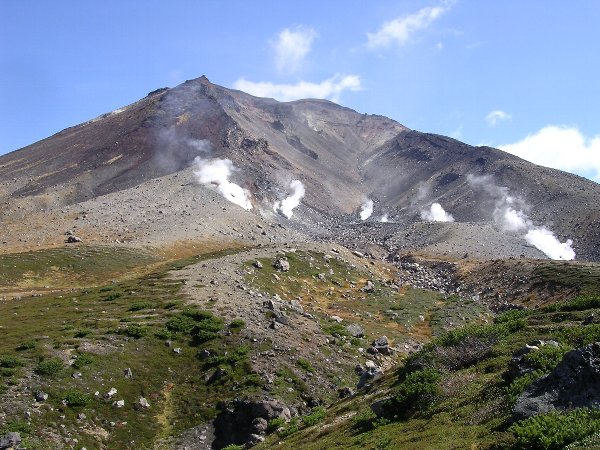
Credit: en.wikipedia.org
Emergency Procedures
In case of an emergency on Mount Asahi, it's crucial to stay calm and assess the situation. Contact local authorities and follow their instructions for a safe and coordinated response. Prepare ahead of time by familiarizing yourself with emergency procedures and carrying essential supplies for outdoor activities.
Emergency Procedures are crucial for any outdoor activity, and hiking Mount Asahi is no exception. While it is a beautiful and rewarding experience, it is essential to be prepared for any unforeseen circumstances. In this section, we will discuss Dealing with Injuries and When to Call for Rescue.Dealing With Injuries
If you or anyone in your group experiences an injury while hiking Mount Asahi, it is vital to act quickly. First, assess the severity of the injury. If it is minor, such as a small cut or scrape, treat it with a first aid kit. However, if the injury is more severe, such as a broken bone or a deep cut that requires stitches, it is best to call for rescue immediately.When To Call For Rescue
Knowing when to call for rescue can mean the difference between life and death in an emergency. If someone in your group is experiencing a medical emergency, such as a heart attack or stroke, call for rescue immediately. Additionally, if someone is lost, severely injured, or unable to continue hiking, call for rescue as soon as possible. It is important to note that calling for rescue should not be taken lightly. False alarms can put rescuers at risk and waste valuable resources. Therefore, before calling for rescue, ensure that all other options have been exhausted, and the situation warrants it. In conclusion, having a basic understanding of emergency procedures and knowing when to call for rescue can make all the difference in an emergency. By being prepared and staying vigilant, you can ensure a safe and enjoyable hiking experience on Mount Asahi.Fitness And Training Regimen
Embarking on a journey to conquer Mount Asahi requires a rigorous fitness and training regimen. The ascent to the summit demands physical endurance, mental resilience, and strategic preparation. To prepare for the daunting challenge, a comprehensive training program encompassing physical exercises and mental conditioning is essential.
Recommended Exercises
Engage in a combination of cardiovascular, strength, and endurance exercises to prepare for the demanding trek up Mount Asahi. A well-rounded fitness routine should include:
- Hiking on steep inclines to simulate the terrain
- Interval training to enhance cardiovascular endurance
- Strength training to build lower body and core muscles
- Flexibility exercises to prevent injury and improve agility
Mental Preparation
Conquering Mount Asahi requires not only physical strength but also mental fortitude. Mental preparation is crucial for overcoming challenges and persevering through the grueling ascent. Incorporate the following strategies into your training regimen:
- Visualization techniques to envision reaching the summit
- Mindfulness practices to stay focused and calm under pressure
- Stress management exercises to cope with the demands of the climb

Credit: en.wikipedia.org
The Summit Experience
Reaching the summit of Mount Asahi is an exhilarating experience that offers breathtaking views and a sense of accomplishment. As you make your way to the top, you can expect a variety of experiences and activities that will make your journey memorable.
Expectations At The Top
Once you reach the summit of Mount Asahi, you will be greeted by a panoramic view that stretches as far as the eye can see. The majestic beauty of the surrounding landscape will leave you in awe. Whether you are a nature enthusiast or simply seeking a peaceful escape, the summit of Mount Asahi has something for everyone.
Spending Time At The Summit
While at the summit, you can take your time to soak in the serene atmosphere and appreciate the natural wonders surrounding you. There are various activities to engage in, such as hiking trails, photography opportunities, and wildlife spotting. Take a moment to breathe in the crisp mountain air and let the tranquility of the surroundings wash over you.
If you are a thrill-seeker, you can also consider paragliding or rock climbing, which are popular activities among adventurous visitors. These adrenaline-pumping experiences allow you to witness the beauty of Mount Asahi from a different perspective.
Additionally, there are designated picnic areas where you can enjoy a packed lunch while immersing yourself in the stunning views. This is a perfect opportunity to relax and connect with nature, creating lasting memories with your loved ones.
As the day comes to a close, don't miss the opportunity to witness the mesmerizing sunset from the summit. The changing colors of the sky combined with the silhouette of the mountains create a truly enchanting scene. It is a moment that will stay with you forever.
Descending Mount Asahi
After conquering the summit of Mount Asahi, the journey down requires careful planning and attention to avoid post-climb fatigue and ensure a safe descent.
Post-climb Fatigue Management
- Hydrate and replenish energy with snacks.
- Rest periodically to prevent exhaustion.
- Stretch muscles to reduce stiffness.
Navigating The Descent
- Follow marked trails to avoid getting lost.
- Use trekking poles for stability on steep slopes.
- Descend slowly to prevent knee strain.
Conservation Efforts
Mount Asahi's conservation efforts are crucial for preserving its natural beauty and biodiversity.
Participating In Local Initiatives
Collaborating with local communities to protect Mount Asahi's environment.
The Role Of Climbers In Conservation
Enlisting climbers to respect nature and follow Leave No Trace principles.
Mount Asahi's Climbing Community
Mount Asahi, located in the picturesque region of Hokkaido, Japan, offers not only breathtaking views and thrilling adventures but also a vibrant climbing community. This community is made up of passionate climbers who come together to share their experiences, support one another, and create lasting memories. If you're considering climbing Mount Asahi, joining a climbing club and sharing your experiences with fellow climbers can enhance your journey in more ways than one.
Joining Climbing Clubs
One of the best ways to immerse yourself in the Mount Asahi climbing community is by joining a climbing club. These clubs provide a sense of camaraderie and allow you to connect with like-minded individuals who share your love for climbing. By becoming a member, you gain access to a network of experienced climbers who can offer guidance, advice, and valuable insights. Whether you're a beginner or an advanced climber, joining a climbing club opens doors to new friendships and invaluable support.
Sharing Experiences With Fellow Climbers
Climbing Mount Asahi is not only about conquering the peak but also about the experiences and memories you create along the way. When you become a part of the Mount Asahi climbing community, you have the opportunity to share your climbing journeys with fellow climbers. Whether it's swapping stories around a campfire or documenting your adventures on social media, sharing your experiences allows you to inspire and be inspired by others. These shared moments foster a sense of belonging and create a tight-knit community of climbers who understand the challenges and triumphs of climbing Mount Asahi.
Overall, the Mount Asahi climbing community offers a supportive and enriching environment for climbers of all levels. By joining a climbing club and sharing your experiences with fellow climbers, you not only enhance your climbing journey but also forge lasting connections with individuals who share your passion for adventure. So, lace up your climbing boots, join the community, and embark on an unforgettable journey up Mount Asahi.
Reflections And Takeaways
After conquering the challenging ascent of Mount Asahi, I found myself reflecting on the breathtaking views and the invigorating sense of accomplishment. The experience offered valuable takeaways, reminding me of the importance of perseverance and the beauty of nature's wonders.
Personal Growth Through Climbing
Climbing Mount Asahi is not just a physical challenge; it's also an incredible opportunity for personal growth. The mental strength and determination required to conquer the mountain can lead to a profound sense of accomplishment and self-discovery.
As you ascend, you'll learn the value of perseverance and resilience. Overcoming obstacles on the mountain can translate to overcoming challenges in everyday life, fostering a resilient mindset that can be applied to any situation.
Climbing Mount Asahi provides a powerful lesson in the importance of goal-setting and the rewards of pushing beyond your comfort zone. It's an experience that can instill a newfound sense of confidence and determination, empowering you to tackle future challenges with renewed vigor.
Planning Your Next Adventure
Embarking on a journey to Mount Asahi requires careful planning and preparation. From researching the best climbing routes to selecting the right gear, every detail plays a crucial role in ensuring a safe and successful ascent.
Prior to your next adventure, take the time to thoroughly research the terrain and climate of your chosen destination. Equip yourself with the necessary knowledge and skills to navigate the challenges that lie ahead, and always prioritize safety above all else.
Consider enlisting the expertise of experienced guides or joining a reputable climbing group to enhance the overall experience and mitigate potential risks. Embrace the spirit of adventure while remaining mindful of responsible and sustainable practices to preserve the natural beauty of the environment.
Frequently Asked Questions
How Long Does It Take To Hike Asahidake?
It takes around 4-6 hours to hike Asahidake, depending on your fitness level and the trail conditions. The trail is challenging but rewarding, with stunning views of the surrounding mountains and the chance to see unique alpine flora and fauna.
How Do I Get To Mt Asahi?
To get to Mt. Asahi, follow the designated hiking trail starting from the base camp.
Is Asahi Dake Active?
Yes, Asahi dake is an active volcano located on the island of Hokkaido, Japan. It last erupted in 2000 and remains under close observation by local authorities.
How Much Is The Asahidake Ropeway?
The Asahidake Ropeway costs 1,900 yen for a round-trip ticket.
Conclusion
Mount Asahi offers a breathtaking experience for nature lovers and adventure seekers alike. With its majestic peaks, stunning landscapes, and diverse flora and fauna, it is a must-visit destination for anyone looking to connect with the beauty of the natural world.
Whether you're an avid hiker or simply seeking a peaceful escape, Mount Asahi offers a truly unforgettable experience. Plan your trip today and embark on a journey that will leave you in awe of Mother Nature's wonders.
