
Mount Fuji in Japan last erupted in 1707 during the Hoei Eruption. The volcano is currently dormant.
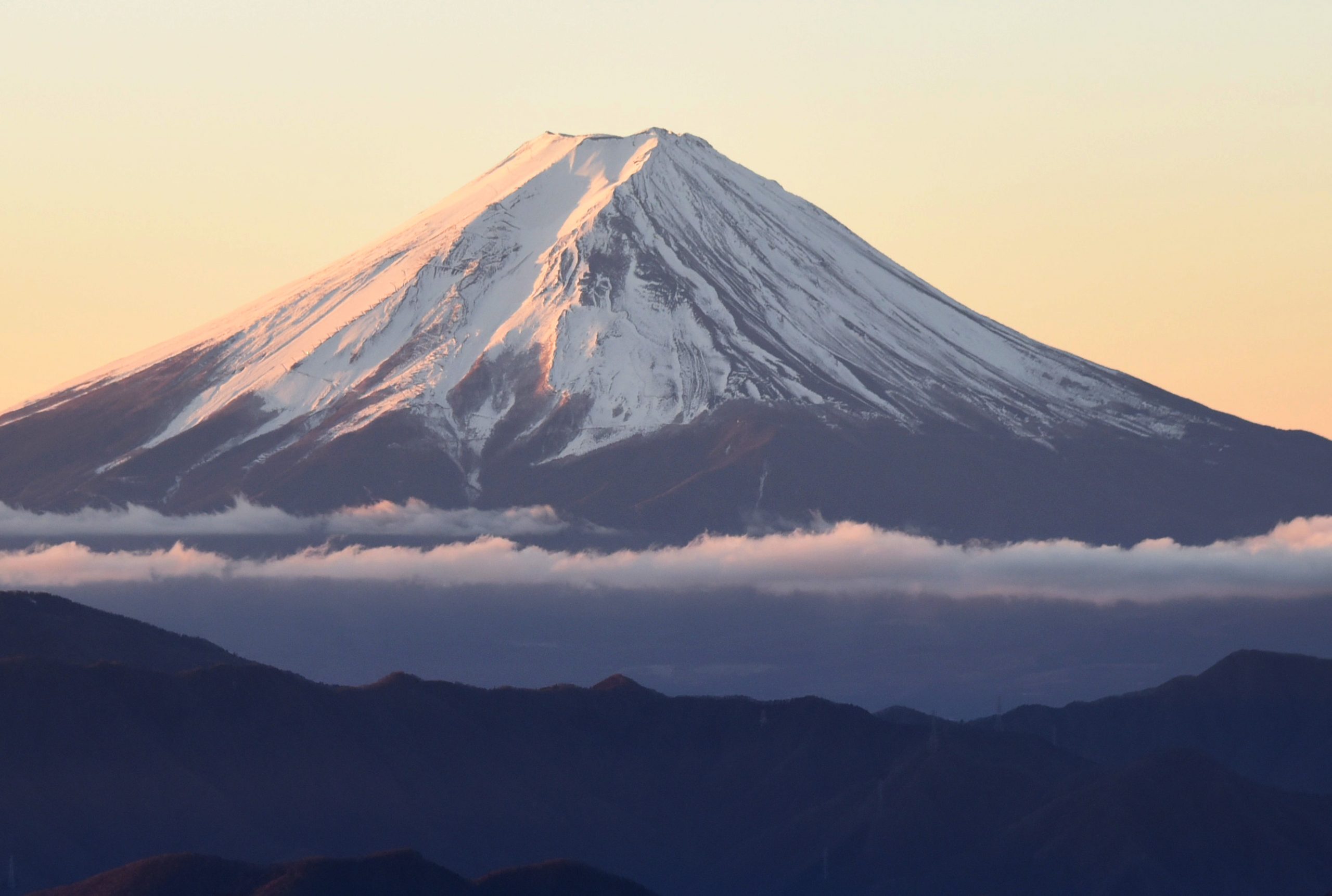
Located on Honshu Island, Mount Fuji is an iconic symbol of Japan and a UNESCO World Heritage site. Standing at 3,776 meters, it is the country’s highest peak and attracts millions of visitors annually. Despite its dormancy, Mount Fuji remains an active stratovolcano, with experts closely monitoring its seismic activity.
The last significant eruption in 1707 during the Hoei Eruption resulted in widespread ash fall and significant damage to nearby areas. However, the volcano’s majestic beauty continues to captivate people from around the world, making it a popular destination for hikers, photographers, and nature enthusiasts alike.
The Majestic Mount Fuji
Mount Fuji last erupted in 1707-08, spreading ash and debris over nearby towns and villages. Since then, it has remained dormant, making it a popular destination for tourists and hikers. The majestic mountain offers stunning views and is considered a cultural icon in Japan.
Icon Of Japan
Mount Fuji, also known as Fuji-san, is an active volcano located on Honshu Island in Japan. It is the highest mountain in Japan, standing at 3,776 meters, and has been an iconic symbol of Japan for centuries. The perfectly symmetrical cone-shaped mountain attracts millions of visitors annually, making it one of the most popular tourist attractions in Japan.Cultural And Spiritual Significance
Mount Fuji is not only a geographical landmark, but it also holds great cultural and spiritual significance for the people of Japan. The mountain has been worshipped as a sacred site for centuries and is considered a symbol of Japan’s cultural heritage. It is also believed that the mountain has the power to cleanse a person’s soul and bring good luck. In Japanese art and literature, Mount Fuji has been a popular subject for centuries, and its image can be found in numerous paintings, prints, and poems. The mountain’s beauty and significance have inspired many artists and writers over the years. Despite its beauty and cultural significance, Mount Fuji is still an active volcano, and there is always a risk of eruption. The last recorded eruption of Mount Fuji was in 1707, and since then, there have been no major eruptions. However, the Japanese government closely monitors the volcano’s activity to ensure the safety of the people living near the mountain. In conclusion, Mount Fuji is not only a geographical landmark and a tourist attraction but also a symbol of Japan’s cultural heritage and spiritual significance. Its beauty and significance have inspired artists and writers for centuries, and it continues to be an essential part of Japanese culture and identity.Geological Formation Of Fuji
The geological formation of Mount Fuji is a captivating tale of volcanic birth, evolution through millennia, and its last eruption. Understanding the natural processes that shaped this iconic mountain provides a deeper appreciation for its significance in Japanese culture and history.
Volcanic Birth
Mount Fuji’s formation began around 600,000 years ago through a series of explosive eruptions that spewed ash, lava, and volcanic rocks. As magma forced its way through the Earth’s crust, it created a towering stratovolcano that eventually became the majestic peak we recognize today.
Evolution Through Millennia
Over the millennia, Mount Fuji’s cone underwent significant changes due to the accumulation of volcanic materials, erosion, and tectonic activity. The gradual buildup of lava layers and the shaping forces of ice and water sculpted the mountain into its distinct conical form, making it a symbol of natural beauty and resilience.
Historical Eruptions Timeline
The historical eruptions timeline of Mount Fuji in Japan provides insights into its volcanic activity over the centuries.
Ancient Activity
Mount Fuji’s ancient eruptions date back to over 100,000 years ago.
Documented Explosions
- 867 AD: A major eruption caused widespread damage.
- 1707-1708: The most recent eruption known as the Hoei Eruption.
The Last Great Eruption
Mount Fuji’s last major eruption, known as the Hoei Eruption, occurred in 1707.
The Hoei Eruption
The Hoei Eruption was a significant event in Mount Fuji’s history.
Impact On The Landscape
The eruption dramatically altered the landscape surrounding Mount Fuji.
Unraveling The Date
Mount Fuji is one of the most iconic landmarks of Japan, attracting millions of tourists every year. However, beneath its picturesque beauty lies a history of volcanic eruptions that have affected the region. In this article, we will unravel the date of Mount Fuji’s last eruption, delving into historical records and scientific investigations.
Historical Records
Mount Fuji’s last recorded eruption happened on December 16, 1707. This event was so massive that it affected not only the surrounding areas but also as far as the Edo region, which is now known as Tokyo. The ash and volcanic debris from the eruption covered a vast area, causing significant damage to the economy and agriculture of the region.
According to historical records, the eruption lasted for 16 days, and the ash and smoke reached as high as 10 kilometers into the sky. It was classified as a VEI 5 eruption, which is considered a “violent” eruption, capable of causing widespread damage and loss of life.
Scientific Investigations
Since the last eruption in 1707, Mount Fuji has remained dormant, with no signs of volcanic activity. However, scientific investigations have been ongoing to monitor any potential volcanic hazards in the area. In recent years, there have been reports of small earthquakes and ground swelling around the mountain, which have raised concerns about the possibility of another eruption.
Scientists have been using various techniques to study the volcano, including seismic monitoring, gas emission measurements, and geological surveys. These investigations have helped to understand the underlying volcanic processes and assess the potential risks associated with future eruptions. However, despite these efforts, predicting volcanic eruptions remains a challenging task.
In conclusion, Mount Fuji’s last eruption occurred on December 16, 1707. Although the volcano has remained dormant for over 300 years, scientists continue to monitor the region to assess any potential volcanic hazards. It is crucial to stay informed and prepared for any eventualities, as volcanic eruptions can cause significant damage and loss of life.
Credit: japan-forward.com
Why Fuji Fell Silent
Mount Fuji, an iconic volcano in Japan, has captivated the world with its majestic beauty and awe-inspiring eruptions throughout history. However, over the years, Fuji has fallen silent, leaving many to wonder why. In this section, we will explore the theories of dormancy and the current state of quiescence that have contributed to the silence of this mighty volcano.
Theories Of Dormancy
Scientists have put forth several theories to explain why Mount Fuji has entered a period of dormancy:
- Magmatic System Reset: One theory suggests that the volcano’s magma chamber has undergone a reset, causing a temporary cessation in volcanic activity. During this reset, the magma chamber may be slowly refilling, preparing for future eruptions.
- Pressure Release: Another theory proposes that the pressure within Mount Fuji’s magma chamber has been released gradually over time, leading to a decrease in volcanic activity. This gradual release of pressure has contributed to the volcano’s current state of dormancy.
- Eruption Cycle: Mount Fuji is known to have a cyclic eruption pattern, with periods of intense activity followed by periods of relative calm. It is possible that the volcano is currently in a dormant phase, with future eruptions anticipated in the future.
Current State Of Quiescence
Mount Fuji is currently in a state of quiescence, which refers to a period of inactivity between eruptions. This state of quiescence can last for decades or even centuries, as the volcano undergoes various internal processes.
While Mount Fuji may appear dormant on the surface, it is important to note that the volcano is still monitored closely by scientists. Continuous monitoring of seismic activity, gas emissions, and ground deformation provides valuable insights into the volcano’s behavior and potential for future eruptions.
Despite its current silence, Mount Fuji remains an active volcano and a symbol of natural wonder. The study of its dormancy and quiescence periods contributes to our understanding of volcanic processes and helps ensure the safety of surrounding communities.
Monitoring A Sleeping Giant
Mount Fuji, an iconic symbol of Japan, has been dormant since its last eruption in 1707. Despite its long period of dormancy, continuous surveillance is essential to detect any signs of potential volcanic activity. Modern surveillance techniques and the identification of subtle warning signs play a crucial role in monitoring this sleeping giant.
Modern Surveillance Techniques
Experts employ a variety of state-of-the-art surveillance techniques to monitor Mount Fuji for any indications of volcanic activity. These include:
- Seismic monitoring to detect ground tremors and earthquake swarms.
- Gas emissions analysis to measure the release of volcanic gases.
- Infrasound monitoring to detect low-frequency sound waves produced by volcanic activity.
- Ground deformation analysis using GPS and satellite technology to identify changes in the mountain’s shape.
Signs Of Potential Activity
Recognizing potential signs of volcanic activity is crucial for early detection and risk mitigation. Some signs that may indicate potential activity include:
- Increased seismic activity, including the occurrence of small earthquakes.
- Elevated levels of volcanic gases, such as sulfur dioxide, in the vicinity of the volcano.
- Changes in the shape of the mountain, indicating potential magma movement beneath the surface.
- Unusual geothermal activity, such as hot springs and fumaroles, near the volcano.
Fuji’s Fury In Literature And Art
The legendary Mount Fuji’s eruptions have captivated the imaginations of writers and artists for centuries. The mountain’s fiery nature has been a source of inspiration for creatives, leading to a rich legacy of literary and artistic works that beautifully capture Fuji’s fury.
Inspiration For Creatives
Mount Fuji’s eruptions have sparked the creativity of numerous writers and artists, inspiring them to depict the mountain’s majestic yet volatile nature. The awe-inspiring presence of Fuji and its potential for cataclysmic eruptions have been a recurring theme in various forms of artistic expression.
Eruption In Ukiyo-e Art
The iconic Mount Fuji has made a profound impact on the world of Ukiyo-e art. The mountain’s eruptions have been immortalized in stunning woodblock prints, depicting the raw power and beauty of these natural phenomena. These artworks serve as a testament to the enduring allure of Fuji’s fury and its significance in Japanese art history.
Impact On Surrounding Communities
Mount Fuji in Japan last erupted in 1707, impacting the surrounding communities with ashfall and volcanic debris. The eruption affected agriculture, water sources, and transportation, highlighting the ongoing influence of the volcano on the region.
The eruption of Mount Fuji in Japan can have a significant impact on the communities living in its vicinity. These communities, historically adapted to the volcano’s activity, have developed strategies to mitigate the risks associated with volcanic eruptions. They have also put in place measures to prepare for future events, ensuring the safety and well-being of their residents.Historical Accounts Of Adaptation
Throughout history, communities surrounding Mount Fuji have shown remarkable resilience and adaptability in the face of volcanic eruptions. They have learned from past experiences, developing techniques to protect their homes and livelihoods. One such adaptation is the construction of volcanic ash barriers, which help to divert the flow of lava away from populated areas. These barriers have proven to be effective in minimizing damage and ensuring the safety of the communities.Preparedness For Future Events
Recognizing the ongoing threat posed by Mount Fuji, communities in the vicinity have taken proactive measures to prepare for future volcanic eruptions. They have established early warning systems to detect signs of volcanic activity, allowing for timely evacuation and minimizing the risk to human life. Additionally, emergency response plans are in place, ensuring that residents are well-informed and equipped to respond effectively in the event of an eruption. These measures demonstrate the commitment of the communities to safeguard their members and mitigate the potential impact of volcanic activity. In conclusion, the impact of Mount Fuji’s eruptions on the surrounding communities cannot be underestimated. However, through historical adaptation and preparedness for future events, these communities have shown resilience and determination in the face of adversity. By continually learning from past experiences and implementing effective strategies, they strive to protect their homes and ensure the safety of their residents.Fuji’s Influence On Tourism
Mount Fuji, a significant icon in Japan, last erupted in 1707. Despite its volcanic history, Fuji’s beauty continues to draw tourists worldwide, contributing immensely to Japan’s tourism industry. The volcano’s allure captivates visitors with its majestic presence and cultural significance.
Mount Fuji is an active volcano, located on the island of Honshu in Japan. It is one of the most iconic symbols of Japan and has been designated as a World Heritage Site by UNESCO. The last time Mount Fuji erupted was in 1707, and since then, it has been a popular tourist destination for both locals and foreigners. The mountain attracts millions of visitors every year and has a significant influence on the tourism industry in Japan.Attraction For Adventure
Mount Fuji is a popular destination for adventure seekers. Hiking to the summit of the mountain is a challenging but rewarding experience. The climb usually takes between 5 to 10 hours, depending on the route and the climber’s fitness level. It is a test of physical endurance and mental strength, but the breathtaking view from the top is worth the effort. The mountain also attracts mountain bikers, rock climbers, and paragliders who are looking for an adrenaline rush.Pilgrimage Site
Mount Fuji is also a significant pilgrimage site for the Shinto religion. The mountain is considered sacred, and it is believed that the gods reside there. Many visitors come to the mountain to pray and make offerings at the shrines located around the mountain. The pilgrimage season starts in July and August, and during this time, the mountain is crowded with pilgrims who come to climb the mountain and seek spiritual enlightenment. In conclusion, Mount Fuji’s influence on tourism in Japan cannot be overstated. It is a symbol of Japan’s natural beauty and cultural heritage. The mountain attracts visitors from all over the world, and it offers something for everyone, from adventure seekers to spiritual pilgrims. If you are planning a trip to Japan, a visit to Mount Fuji should definitely be on your itinerary.The Science Behind Eruptions
Volcanic eruptions are caused by the release of magma from beneath the Earth’s crust.
Predicting Future Activity
Scientists monitor seismic activity and gas emissions to predict volcanic eruptions.
Ecosystem Recovery Post-eruption
Mount Fuji’s last eruption occurred in 1707, impacting the surrounding ecosystem. Since then, nature has shown remarkable resilience in recovering from the devastation.
Nature’s Resilience
- Nature bounces back after eruptions, showing its resilience.
- Plants and animals adapt to the changed landscape.
Regrowth And Biodiversity
- Regrowth of vegetation promotes biodiversity in the area.
- Various species thrive in the renewed ecosystem.
Cultural Practices And Fuji’s Eruptions
When Did Mount Fuji in Japan Last Erupt
Rituals And Traditions
Local cultural practices and traditions surrounding Mount Fuji’s eruptions are deeply rooted in the history of the region. The eruptions of Mount Fuji have influenced various rituals and traditions that are still observed today.
Shinto Influence
Shinto, the indigenous religion of Japan, has greatly influenced the cultural practices associated with Mount Fuji’s eruptions. The mountain is considered sacred in Shinto belief, and its eruptions have significant spiritual and cultural implications for the Shinto followers.
Climate Effects Of The Last Eruption
The last eruption of Mount Fuji in Japan occurred in 1707, impacting the climate with ash and sulfur emissions. This event led to cooling temperatures and unusual weather patterns in the region.
Global And Local Impacts
The last eruption of Mount Fuji in Japan occurred on December 16, 1707. It was a devastating eruption that affected not only the local region but also the global climate. The eruption was of a magnitude of VEI-5, which means that it was a moderate eruption, but it had a significant impact on the climate of the earth. The volcanic ash and gases released during the eruption caused a cooling effect on the global climate. The ash clouds covered the sun and reduced the amount of solar radiation that reached the earth’s surface. This led to lower temperatures globally, and it took several years for the climate to return to normal. The local impact of the eruption was devastating. The ash and debris covered the surrounding areas, and the lava destroyed everything in its path. The local economy was affected, and the people had to rebuild their lives from scratch.Studies On Climatic Change
Several studies have been conducted on the climatic change caused by the eruption of Mount Fuji in Japan. These studies have shown that the eruption had a significant impact on the climate of the earth. The cooling effect of the eruption was felt globally, and it led to changes in the weather patterns across the world. The studies have also shown that the eruption had an impact on the ocean currents and the marine ecosystem. The volcanic ash and gases released during the eruption caused changes in the acidity of the ocean, which affected the marine life. In conclusion, the last eruption of Mount Fuji in Japan had a significant impact on the climate of the earth. The cooling effect of the eruption was felt globally, and it had a devastating impact on the local region. The studies conducted on the climatic change caused by the eruption have shown that it had far-reaching effects on the environment and the ecosystem.Volcanic Ash And Its Legacy
Mount Fuji last erupted in 1707, blanketing Tokyo in volcanic ash. The ash that was produced during the eruption was so vast that it reached as far as the neighboring city of Kyoto, and its legacy continues to impact the region to this day.
Ash Layers As Historical Markers
One fascinating aspect of volcanic eruptions is the creation of distinct ash layers that serve as historical markers. When Mount Fuji in Japan last erupted is a question that can be answered by studying these layers of ash and their distribution. The composition and characteristics of volcanic ash can provide valuable insights into the eruption’s timing and magnitude.
Volcanic ash consists of tiny fragments of volcanic glass, minerals, and rock particles that are ejected into the atmosphere during an eruption. These particles can travel great distances and settle on the Earth’s surface, creating layers of ash that accumulate over time. By analyzing these layers, scientists can determine the age of past eruptions and establish a timeline of volcanic activity.
Archaeologists and geologists use various techniques to identify and date ash layers, such as radiocarbon dating, dendrochronology, and stratigraphy. Radiocarbon dating involves analyzing the levels of carbon-14 isotopes in organic material found within the ash layer. Dendrochronology, on the other hand, utilizes tree-ring patterns to establish the age of the ash layer. Stratigraphy involves studying the sequence and characteristics of different layers to determine their relative ages.
Agricultural Benefits
While volcanic eruptions can be devastating, they also have long-term benefits for the surrounding areas. The volcanic ash produced during eruptions is rich in essential nutrients and minerals, making it highly fertile for agricultural purposes.
When volcanic ash settles on the land, it enriches the soil, improving its fertility and promoting plant growth. The ash contains nutrients like phosphorus, potassium, and nitrogen, which are essential for the development of healthy crops. Farmers often take advantage of volcanic ash deposits to enhance their agricultural productivity.
In addition to providing nutrients, volcanic ash can also improve soil structure and water retention. The fine particles of ash create a porous texture in the soil, allowing for better aeration and drainage. This can prevent soil erosion and increase the availability of water to plants, leading to improved crop yields.
Furthermore, volcanic ash has been used as a natural fertilizer for centuries. Its beneficial effects on soil fertility have been observed in various volcanic regions worldwide. In Japan, for example, farmers have traditionally utilized volcanic ash from Mount Fuji and other volcanoes to enhance their agricultural practices.
Preservation Efforts For Mount Fuji
Preservation efforts for Mount Fuji have been crucial in safeguarding this iconic natural wonder. Conservation initiatives and its designation as a UNESCO World Heritage Site have played a significant role in ensuring the protection and longevity of this majestic volcano.
Conservation Initiatives
Various conservation initiatives have been implemented to preserve Mount Fuji’s natural beauty and ecological significance. These efforts include reforestation projects, wildlife protection measures, and the establishment of designated conservation areas around the mountain.
Unesco World Heritage Site
Mount Fuji’s recognition as a UNESCO World Heritage Site has elevated its status on the global stage, promoting international cooperation in its preservation. This designation has led to increased awareness and funding for conservation projects, further bolstering efforts to protect the mountain and its surrounding environment.
Educating The Public On Volcanic Risks
Mount Fuji last erupted in 1707. It’s crucial to educate the public on volcanic risks.
Outreach Programs
- Community workshops for volcano awareness.
- School visits to teach students about volcanic safety.
- Public lectures by geologists on eruption preparedness.
Safety Information
- Emergency evacuation routes in case of eruption.
- Importance of having a family emergency plan.
- Monitoring volcanic activity through official channels.
The Role Of Technology In Volcanology
Mount Fuji in Japan last erupted on December 16, 1707. Technology has played a crucial role in studying volcanology, providing scientists with tools like seismometers and satellite imaging to monitor volcanic activity and predict eruptions. Understanding the eruption history of Mount Fuji aids in preparing for future volcanic events and ensuring the safety of nearby communities.
Advancements In Monitoring
Scientists use satellites to monitor Mount Fuji’s activity.
Drones collect data from dangerous areas around the volcano.
Seismic sensors help detect even small tremors near the volcano.
Data Analysis And Prediction
Computer algorithms analyze vast amounts of data quickly.
Historical eruption patterns aid in predicting future volcanic activity.
Models help in forecasting potential eruption scenarios.
Fuji In Pop Culture
Mount Fuji has been a prominent figure in Japanese culture, making its way into various forms of media and holding deep symbolism in modern times. Let’s explore the mountain’s appearances in media and its significance in contemporary culture.
Appearances In Media
Mount Fuji has made numerous appearances in popular media, from traditional art to modern-day films and literature. Its iconic symmetrical cone has been featured in countless paintings, ukiyo-e woodblock prints, and even anime and manga. Additionally, Mount Fuji has served as a backdrop in many movies, showcasing its timeless allure to both local and international audiences.
Symbolism In Modern Times
In modern times, Mount Fuji has become a symbol of national identity and natural beauty. It is often used in advertising, branding, and tourism promotion, representing the essence of Japan’s picturesque landscapes. Moreover, the mountain holds a special place in the hearts of the Japanese people, evoking a sense of pride and nostalgia as a symbol of their cultural heritage and natural wonders.

Credit: www.youtube.com
Looking To The Future
As we consider the future of Mount Fuji in Japan and its potential for eruption, it is essential to examine the potential scenarios that could unfold. Ongoing research and studies play a crucial role in providing valuable insights into the volcano’s behavior and helping us understand the signs that may indicate an impending eruption.
Potential Scenarios
Understanding the potential scenarios associated with Mount Fuji’s eruption is vital for preparedness and mitigation efforts. While eruptions are unpredictable, scientists have identified a range of possibilities based on historical data and geological analysis. These potential scenarios include:
- Small-scale eruptions characterized by the release of ash and gas.
- Medium-scale eruptions resulting in the formation of lava flows and pyroclastic flows.
- Large-scale eruptions with significant ash clouds, pyroclastic flows, and potential lahars.
Each scenario presents unique challenges and risks, emphasizing the need for continuous monitoring and preparedness measures to ensure the safety of nearby communities.
Ongoing Research And Studies
Ongoing research and studies play a pivotal role in enhancing our understanding of Mount Fuji’s volcanic activity and eruption patterns. Scientists continuously monitor the volcano’s seismic activity, gas emissions, ground deformation, and other relevant parameters to detect any potential changes or anomalies.
Through advanced technologies and scientific collaborations, researchers are working towards developing more accurate eruption forecasting models. These models aim to provide timely warnings and improve our ability to anticipate the size, duration, and potential impacts of future eruptions.
In addition to monitoring, scientists are also exploring the underlying mechanisms that drive volcanic eruptions. By studying the geological history of Mount Fuji and analyzing volcanic materials, they can unravel the complex processes occurring beneath the surface. This knowledge contributes to the overall understanding of volcanic systems and helps in assessing the likelihood of future eruptions.
Moreover, ongoing studies also focus on the potential hazards associated with volcanic activity, such as lahars and ashfall. By evaluating the vulnerability of nearby areas and developing effective evacuation plans, researchers aim to minimize the impact of future eruptions on human lives and infrastructure.
Overall, ongoing research and studies are essential for improving our understanding of Mount Fuji’s volcanic behavior, enabling us to make informed decisions and take proactive measures to safeguard the communities living in its vicinity.

Credit: www.nationalgeographic.org
Frequently Asked Questions
When Was The Last Time Fuji Erupted?
Fuji last erupted in 1707, with the event known as the Hoei eruption.
Is Mount Fuji Likely To Erupt Again?
Yes, Mount Fuji is an active volcano and is likely to erupt again in the future.
Is Mount Fuji Still An Active Volcano?
Yes, Mount Fuji is still an active volcano. It last erupted in 1707 and is considered to be a dormant volcano, meaning it is currently not erupting but has the potential to do so in the future.
How Many People Died From The Eruption Of Mount Fuji?
There are no recorded deaths from the eruption of Mount Fuji. The last time it erupted was in 1707 and there were no fatalities. However, it is still considered an active volcano and there are plans in place to evacuate nearby areas in case of a future eruption.
Conclusion
The last eruption of Mount Fuji in Japan occurred in 1707. Despite its dormant status, scientists closely monitor the volcano for any signs of activity. Understanding the history and potential risks associated with Mount Fuji is crucial for the safety and well-being of the surrounding communities.
