
Mount Haguro is one of the Three Mountains of Dewa in Japan, known for its ancient cedar trees and pagoda. Visitors can climb the 2,446 stone steps to reach the summit, where they can explore the historic buildings and enjoy panoramic views of the surrounding landscapes.
The mountain is a popular pilgrimage site and offers a peaceful retreat for those seeking spiritual rejuvenation. With a history dating back over a thousand years, Mount Haguro is a significant cultural and natural landmark in Japan, attracting tourists and pilgrims alike.
Whether you are interested in history, nature, or simply seeking a tranquil escape, Mount Haguro offers a unique and enriching experience for all who visit.
The Mystic Allure Of Mount Haguro
Mount Haguro, located in Japan’s Yamagata Prefecture, is a mountain steeped in history, legends, and spiritual significance. Its mystic allure draws visitors from all over the world, seeking to experience the mountain’s unique charm.
Legends And Lore
According to legend, Mount Haguro was created by the god of thunder, who struck the ground with his hammer, forming the mountain’s peak. The mountain is also said to be home to a powerful spirit, who protects the area from harm.
Mount Haguro is also famous for its 2,446 stone steps, which wind up the mountain’s slope. These steps are said to have been built by a monk who climbed the mountain every day for 21 years, carrying a single stone each time he made the climb.
Spiritual Significance
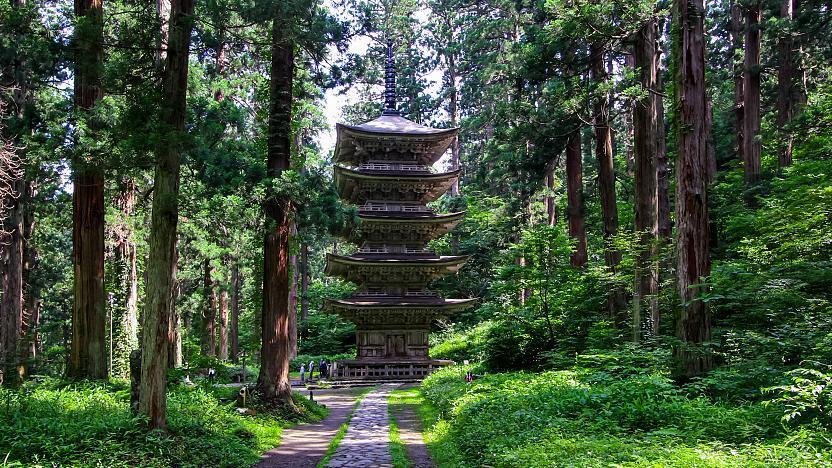
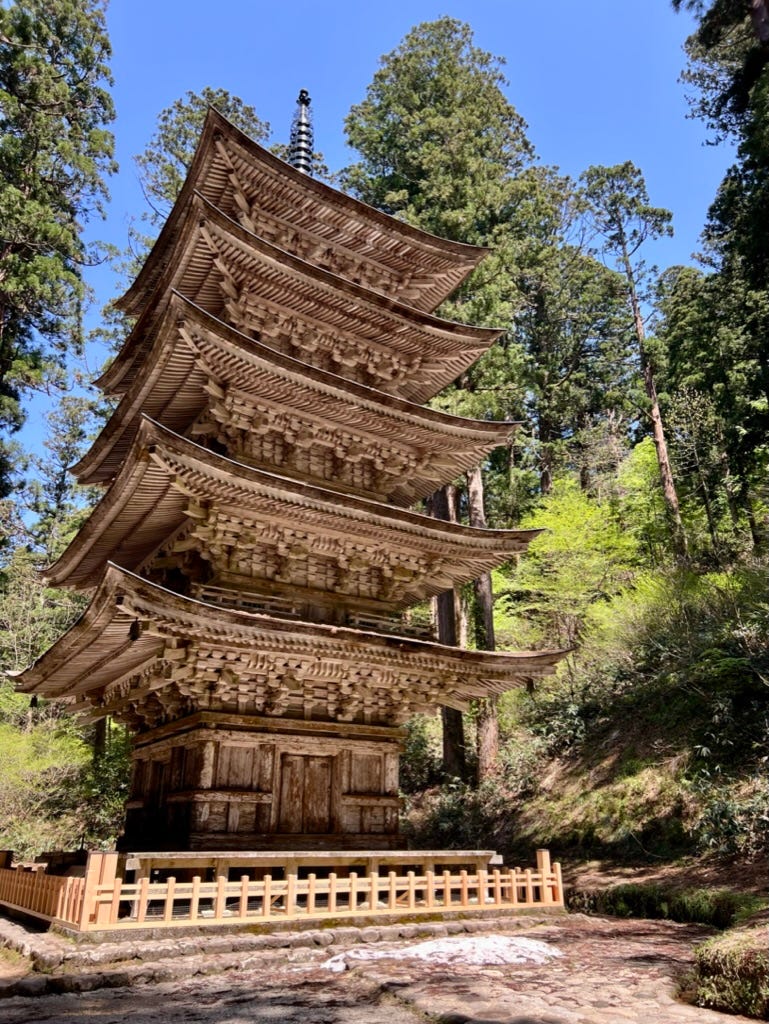
Mount Haguro is considered one of Japan’s three sacred mountains, along with Mount Fuji and Mount Tateyama. The mountain is home to a number of shrines and temples, including the famous Hagurosan Goju-no-to, a five-story pagoda that dates back to the 14th century.
Visitors to Mount Haguro can participate in a number of spiritual practices, such as meditation and prayer. The mountain’s peaceful environment and stunning natural beauty make it the perfect place to connect with the divine.
Whether you are a spiritual seeker or simply someone who appreciates natural beauty and history, Mount Haguro is a must-visit destination. Its mystic allure will leave you feeling renewed and inspired.
Geographical Wonders
Mount Haguro, part of the Three Mountains of Dewa in Japan, boasts diverse flora and fauna.
The Three Mountains Of Dewa
Mount Haguro is one of the Three Mountains of Dewa, along with Gassan and Yudono.
Flora And Fauna
- Mount Haguro is home to ancient cedar trees, some over 500 years old.
- Various bird species like the Japanese pygmy woodpecker inhabit the mountain.
- Rare plants like the Haguro primrose can be found in the lush forests.
Historical Journey
Embark on a historical journey through the sacred Mount Haguro, where ancient roots intertwine with the era of pilgrimage, offering a glimpse into Japan’s rich cultural heritage.
Ancient Roots
Mount Haguro boasts a history dating back over 1,400 years, deeply rooted in Shugendo, an ancient mountain worship practice blending Buddhism and indigenous beliefs.
Era Of Pilgrimage
Pilgrims have been drawn to Mount Haguro for centuries, seeking spiritual enlightenment amidst its tranquil surroundings, adorned with historic shrines and towering cedar trees.
Architectural Marvels
Mount Haguro is a remarkable architectural marvel in Japan that attracts visitors with its stunning natural beauty and ancient structures. The mountain features a 2,446-step stone staircase leading to a magnificent five-story pagoda and a mountain temple known for its serene atmosphere and breathtaking views.
Architectural Marvels Mount Haguro is a beautiful mountain located in the Yamagata Prefecture of Japan. It is one of the three sacred mountains of the region and is known for its breathtaking natural beauty and ancient shrines. However, what makes Mount Haguro truly unique is the architectural marvels that can be found on its slopes. From towering five-story pagodas to intricately carved stone steps and shrines, Mount Haguro is a treasure trove of architectural wonders that are sure to leave visitors in awe. Five-Story Pagoda One of the most impressive architectural marvels on Mount Haguro is the five-story pagoda. Built in 937, the pagoda is a towering structure that stands at 29.6 meters tall and is made entirely of wood. The pagoda is a testament to the skill and craftsmanship of the ancient Japanese builders who constructed it without the use of modern tools or machinery. Visitors can climb to the top of the pagoda to enjoy stunning views of the surrounding mountains and forests. Stone Steps and Shrines Another architectural marvel that can be found on Mount Haguro is the stone steps and shrines that line the mountain’s slopes. The stone steps are a testament to the ingenuity of the ancient Japanese builders who were able to create a sturdy and durable staircase that has withstood the test of time. The shrines, which are carved into the mountainside, are a testament to the spiritual significance of Mount Haguro and the reverence that the Japanese people have for the mountain. In conclusion, Mount Haguro is a must-visit destination for anyone who is interested in Japanese history, culture, and architecture. The five-story pagoda and the stone steps and shrines are just two of the many architectural marvels that can be found on the mountain’s slopes. Visitors to Mount Haguro are sure to be impressed by the skill and craftsmanship of the ancient Japanese builders who created these incredible structures.Cultural Tapestry
Embark on a journey through the rich cultural tapestry of Mount Haguro, where traditions and festivals intertwine with the serenity of nature.
Festivals And Traditions
- Annual Shojin Ryori Festival celebrates vegetarian cuisine.
- Summer Yamabushi Festival showcases ancient rituals.
- Autumn Tsukimi Festival honors the harvest moon.
Monastic Cuisine
- Experience the simplicity of Shojin Ryori, a Zen Buddhist cuisine.
- Savor dishes crafted with seasonal, locally sourced ingredients.
- Delight in the flavors that nourish both body and spirit.
The Pilgrim’s Path
The Pilgrim’s Path is a sacred journey that leads to the awe-inspiring Mount Haguro, one of the Three Mountains of Dewa in Japan. This ancient path has been followed by pilgrims for centuries, seeking spiritual enlightenment and a connection with nature.
Rituals And Practices
Embarking on the Pilgrim’s Path involves engaging in various rituals and practices that have been passed down through generations. These traditions add depth and significance to the pilgrimage, creating a profound experience for those who undertake it.
One of the most important rituals is the purification ceremony that takes place at the foot of the mountain. Pilgrims cleanse themselves in a sacred waterfall, symbolizing the washing away of impurities and the beginning of a spiritual journey.
As pilgrims ascend the mountain, they encounter a series of shrines and sacred sites. Each location holds its own significance and rituals, such as offering prayers and paying respects to the deities. These acts of devotion deepen the pilgrim’s connection with the spiritual realm and foster a sense of reverence.
Modern-day Pilgrimages
While the Pilgrim’s Path has ancient roots, it continues to attract modern-day pilgrims from all walks of life. This pilgrimage offers a unique opportunity to disconnect from the hustle and bustle of everyday life and reconnect with oneself and nature.
Pilgrims undertake the journey with different intentions, whether it be seeking solace, spiritual growth, or simply a break from the fast-paced world. The Pilgrim’s Path provides a serene and contemplative environment for introspection and self-discovery.
Modern pilgrims also have the convenience of well-maintained trails and facilities along the way, making the journey more accessible and comfortable. However, the essence of the pilgrimage remains unchanged, offering a transformative experience for those who embark on this sacred path.
Mount Haguro In Literature
Mount Haguro has long been a source of inspiration for literary works, with its serene beauty and spiritual significance capturing the imaginations of writers and poets. The mountain’s ancient cedar trees, awe-inspiring pagoda, and tranquil surroundings have been depicted in various forms of literature, making it a beloved muse for creative minds.
Poetry And Prose
Mount Haguro’s majestic presence has been the subject of numerous poems and prose pieces, with writers seeking to convey the mountain’s profound impact on the human spirit. Its towering stature and natural allure have been eloquently portrayed in verses and narratives, evoking a sense of wonder and reverence.
Inspirational Muse
Mount Haguro’s ethereal beauty has served as an inspirational muse for writers, igniting their creativity and prompting introspective exploration. The mountain’s timeless allure has been woven into tales of introspection, enlightenment, and spiritual awakening, offering a rich tapestry of literary inspiration.
Credit: www.japan-guide.com
Natural Escapes
Mount Haguro is a captivating natural escape that offers serene beauty and tranquil surroundings. Its lush landscapes, ancient cedar trees, and scenic beauty make it a haven for nature lovers and outdoor enthusiasts alike.
Seasonal Beauty
Visiting Mount Haguro throughout the seasons offers a diverse range of natural beauty. In spring, the mountain is adorned with colorful cherry blossoms, while the vibrant hues of autumn foliage create a mesmerizing spectacle in the fall.
Hiking Trails
Mount Haguro boasts a network of well-maintained hiking trails that cater to all levels of hikers. From leisurely strolls to challenging ascents, there’s a trail for everyone. The paths lead through ancient forests, past sacred shrines, and offer breathtaking views of the surrounding landscapes.
Spiritual Retreats
Mount Haguro is not only a beautiful natural wonder, but it is also a place of spiritual significance. Many people visit this serene mountain seeking inner peace and a deeper connection with themselves. The spiritual retreats offered at Mount Haguro provide an opportunity for visitors to immerse themselves in the rich cultural and religious traditions of Japan while finding solace in the tranquil surroundings. Here are some of the incredible experiences you can have during a spiritual retreat at Mount Haguro.
Temple Lodgings
One of the unique aspects of a spiritual retreat at Mount Haguro is the opportunity to stay in temple lodgings. These accommodations, known as shukubo, allow visitors to experience the daily life of Buddhist monks and participate in their rituals. Imagine waking up to the sound of morning prayers and taking part in meditation sessions guided by the monks. The simplicity of the accommodations and the serene atmosphere of the temples create a perfect environment for introspection and self-reflection.
Meditative Experiences
Mount Haguro offers various meditative experiences that can help you find inner calm and clarity. From walking the ancient pilgrimage trail to participating in Zen meditation sessions, there are plenty of opportunities to quiet your mind and connect with your inner self. The majestic cedar trees that line the path to the summit provide a peaceful backdrop for your meditative journey. The soothing sounds of nature and the gentle rustling of leaves create an atmosphere conducive to deep relaxation and introspection.
During your retreat, you can also take part in traditional tea ceremonies, where the art of tea preparation becomes a meditative practice in itself. The deliberate and mindful movements involved in brewing and serving tea can bring a sense of tranquility and focus to your mind.
Whether you choose to engage in walking meditation, tea ceremonies, or other meditative practices, Mount Haguro offers a multitude of opportunities to reconnect with your inner self and find harmony amidst the beauty of nature.
Artistic Expressions
Mount Haguro is not only a place of spiritual significance, but also a hub of artistic expressions. Local artisans and performers showcase their talents through various forms of crafts, music, and dance, adding a rich cultural tapestry to the sacred site.
Crafts And Creations
Local artisans create intricate wood carvings and handmade items reflecting the deep spiritual connection to nature and history.
Sacred Music And Dance
Traditional music and dance performances held at Mount Haguro convey stories of ancient rituals and beliefs, captivating visitors with their sacred rhythms and movements.
Gateway To Asceticism
Mount Haguro is one of the three sacred mountains of Yamagata, Japan. It is known for its stunning beauty and religious significance. Mount Haguro serves as a gateway to asceticism, where visitors can immerse themselves in the practices of Yamabushi and Shugendo.
Yamabushi And Shugendo
Yamabushi and Shugendo are two distinct Japanese spiritual practices that have been around for centuries. Both practices involve a deep connection with nature and require rigorous training and discipline.
- Yamabushi: Yamabushi is a practice of mountain ascetics who follow the Shugendo tradition. They embark on spiritual journeys into the mountains, where they meditate, practice martial arts, and perform purification rituals.
- Shugendo: Shugendo is a spiritual practice that combines elements of Buddhism, Shintoism, and Taoism. Practitioners of Shugendo believe that enlightenment can be achieved through physical and mental discipline, as well as communion with nature.
Training And Discipline
Both Yamabushi and Shugendo require rigorous training and discipline. Practitioners must endure physical and mental challenges, such as long periods of fasting, extreme weather conditions, and climbing steep mountains. These challenges are seen as a way to purify the body and mind and cultivate spiritual awareness.
Visitors to Mount Haguro can witness the practices of Yamabushi and Shugendo firsthand by participating in guided tours and staying at mountain lodges. The experience offers a unique opportunity to learn about these ancient practices and connect with nature in a profound way.
Ecotourism And Preservation
Mount Haguro, a majestic natural wonder, is a prime example of ecotourism and preservation efforts in Japan. With its rich biodiversity and cultural significance, the mountain is a beacon of sustainable travel and conservation initiatives.
Conservation Efforts
Efforts to preserve the pristine environment of Mount Haguro are paramount. The preservation of ancient cedar trees and the maintenance of hiking trails are crucial to safeguarding the natural beauty of the mountain. Additionally, ongoing research and monitoring ensure the protection of rare flora and fauna.
Sustainable Travel
Visitors to Mount Haguro are encouraged to practice sustainable travel by adhering to designated paths, minimizing waste, and respecting the sanctity of the surroundings. Eco-friendly accommodations and transportation options further promote responsible tourism in the region.
The Culinary Journey
Embark on a delightful culinary adventure at Mount Haguro, where traditional flavors and unique dishes await you.
Local Delicacies
Indulge in the rich flavors of local delicacies at Mount Haguro:
- Soba noodles made from locally sourced buckwheat
- Yamabushi tofu, a specialty tofu dish unique to the region
- Sanzunabe, a hot pot filled with fresh mountain vegetables and tender local chicken
Vegetarian Offerings
For vegetarian travelers, Mount Haguro offers an array of delectable options:
- Shojin ryori, a traditional Buddhist vegetarian cuisine
- Vegetable tempura featuring fresh, seasonal produce
- Grilled mountain vegetables bursting with natural flavors
Photographic Panoramas
Discover the breathtaking Mount Haguro through stunning photographic panoramas capturing its serene beauty and majestic landscapes. Immerse yourself in the rich cultural heritage and natural wonders of this iconic Japanese mountain.
Mount Haguro is a photographer’s paradise, offering breathtaking panoramic views that are simply awe-inspiring. Whether you’re an experienced photographer or just starting, there’s something for everyone. In this section, we’ll explore how to capture the scenery and provide some photography tips to help you take your pictures to the next level.Capturing The Scenery
When it comes to photographing Mount Haguro, the key is to find the perfect spot to capture the scenery. The mountain has several vantage points that offer stunning panoramic views of the surrounding landscape. One of the best spots is at the top of the mountain, where you can see the entire range and capture some truly breathtaking photos.Photography Tips
To get the most out of your photography experience at Mount Haguro, here are some tips to keep in mind:- Bring the right equipment: Make sure you have the right camera and lenses for the type of photography you want to do.
- Be prepared for the weather: Mount Haguro can be quite cold, so make sure you dress appropriately and bring extra layers.
- Experiment with different angles: Don’t be afraid to try different angles and perspectives to capture the perfect shot.
- Use a tripod: A tripod can help you get sharp, clear photos, especially in low light conditions.
- Take advantage of natural light: The best time to take photos is during the golden hour, which is the hour after sunrise and the hour before sunset. The light during this time is soft and warm, making it perfect for photography.
Legends In Stone
Sacred Rocks And Caves
Mount Haguro is steeped in legends, with its sacred rocks and caves holding centuries of mystique. The rock formations and caverns on the mountain are revered for their spiritual significance and are shrouded in tales of ancient lore.
Mythical Carvings
Adorning the rocks of Mount Haguro are mythical carvings that depict stories of gods and ancient warriors. These ancient engravings have been a source of fascination for generations, drawing visitors to uncover the secrets etched in stone.
Visitor’s Guide
Planning a trip to Mount Haguro? This visitor’s guide will provide you with all the essential information you need to make the most of your visit. From the best times to visit to the travel essentials you should pack, we’ve got you covered.
Best Times To Visit
Mount Haguro offers a unique experience throughout the year, each season showcasing its own beauty. Here are the best times to visit:
- Spring (March to May): Witness the stunning cherry blossoms in full bloom as you hike up the mountain. The vibrant colors will leave you in awe.
- Summer (June to August): Enjoy the pleasant weather and greenery surrounding the mountain. This is the perfect time for outdoor activities and exploring the trails.
- Fall (September to November): Immerse yourself in the breathtaking autumn foliage as the leaves transform into hues of red, orange, and gold. The scenery is simply mesmerizing.
- Winter (December to February): Experience a winter wonderland as the mountain gets covered in a blanket of snow. The serene atmosphere is ideal for those seeking a peaceful retreat.
Travel Essentials
When visiting Mount Haguro, it is important to come prepared with the following travel essentials:
| Essential Item | Description |
|---|---|
| Hiking Shoes | Ensure you have comfortable and sturdy shoes for the hike up the mountain. The terrain can be challenging at times. |
| Weather-Appropriate Clothing | Check the weather forecast and dress accordingly. Layers are recommended as temperatures can vary throughout the day. |
| Water and Snacks | Stay hydrated and energized during your hike by carrying water and snacks with you. There are limited food options available on the mountain. |
| Camera | Capture the stunning scenery and memorable moments along your journey. Don’t forget to bring extra batteries and memory cards. |
| Sunscreen and Insect Repellent | Protect yourself from the sun and pesky insects by applying sunscreen and using insect repellent. This is especially important during the summer months. |
By considering the best times to visit and packing the necessary travel essentials, you can make the most of your trip to Mount Haguro. Prepare for an unforgettable adventure filled with natural beauty and cultural richness.
Mount Haguro And Wellness
Mount Haguro offers a serene retreat where nature and wellness converge harmoniously. The tranquility and spiritual energy of the mountain create the perfect environment for rejuvenation and self-care.
Health Benefits
Experience improved mental clarity and reduced stress levels.
Rejuvenation Activities
- Forest bathing amidst ancient cedar trees
- Meditation sessions with breathtaking mountain views
- Yoga classes to enhance flexibility and relaxation
Credit: www.morethantokyo.com
Local Communities
Exploring Mount Haguro not only offers breathtaking views but also a glimpse into the vibrant local communities that call this region home.
Village Life
Life in the villages surrounding Mount Haguro is serene and steeped in tradition.
- Simple yet fulfilling daily routines
- Harmonious coexistence with nature
- Rich cultural heritage
Interaction With Locals
Engaging with the locals provides a deeper understanding of their customs and way of life.
- Warm hospitality and welcoming gestures
- Sharing stories and experiences
- Learning traditional crafts and practices
Events And Ceremonies
Mount Haguro, located in Yamagata Prefecture, Japan, is not only a popular tourist destination but also a place rich in cultural events and ceremonies. Visitors to Mount Haguro have the opportunity to witness and participate in various religious ceremonies and seasonal events, which offer a unique insight into the traditions and customs of the region.
Religious Ceremonies
Mount Haguro is home to several religious ceremonies that hold great significance in the local community. One such ceremony is the “Goma” ritual, a fire ritual performed at the Five-Story Pagoda. During this ceremony, sacred wood is burned, and prayers are offered to deities for good fortune and protection. It is believed that participating in this ritual cleanses the spirit and brings blessings to those involved.
Another notable religious ceremony is the “Yamabushi” ritual, which is performed by the ascetic mountain monks known as Yamabushi. These monks undergo rigorous training and isolation in the mountains, and the ceremony showcases their spiritual prowess. Visitors can witness the Yamabushi monks performing various rituals, including purification ceremonies and chanting, providing an extraordinary glimpse into their way of life.
Seasonal Events
Throughout the year, Mount Haguro hosts a range of seasonal events that celebrate the changing seasons and showcase the beauty of nature. One such event is the Cherry Blossom Festival, held in spring when the cherry trees surrounding the mountain come into full bloom. Visitors can enjoy the breathtaking sight of the pink blossoms while participating in traditional Japanese activities such as tea ceremonies and kimono dressing.
During the summer months, Mount Haguro celebrates the Tanabata Festival, also known as the Star Festival. This vibrant event features colorful decorations, traditional music, and dance performances. Visitors can write their wishes on small pieces of paper and hang them on bamboo branches, as is customary during this festival.
In autumn, Mount Haguro is ablaze with vibrant colors during the Autumn Leaves Festival. The mountainside transforms into a picturesque landscape of red, orange, and gold as the leaves change color. Visitors can take part in guided tours, enjoy local delicacies, and witness traditional performances that showcase the beauty of the season.
Finally, during the winter months, Mount Haguro becomes a winter wonderland, attracting visitors with its snowy landscapes and serene atmosphere. The Snow Lantern Festival is a highlight during this time, where lanterns made of snow illuminate the path leading up to the Five-Story Pagoda. Visitors can stroll along the snow-covered trail, admiring the intricate snow sculptures and experiencing the tranquil ambiance.
Whether you visit Mount Haguro during the cherry blossom season, the vibrant summer festivals, the picturesque autumn foliage, or the enchanting winter snowscape, you are sure to be captivated by the events and ceremonies that add a touch of magic to this incredible mountain.

Credit: en.wikipedia.org
Looking Ahead
As we turn our gaze toward the future of Mount Haguro, it’s essential to recognize the importance of preserving its legacy. By understanding the significance of this ancient site, we can ensure its continued relevance for generations to come.
Future Of Mount Haguro
Mount Haguro’s future lies in striking a balance between preservation and modernization. Embracing sustainable practices while maintaining the spiritual essence of the mountain is crucial for its longevity.
Continuing The Legacy
The legacy of Mount Haguro can be upheld through initiatives that promote cultural education and environmental stewardship. By engaging with local communities and visitors, the mountain’s heritage can be celebrated and safeguarded.
Frequently Asked Questions
How Do You Get To Mount Haguro?
To get to Mount Haguro, take a train to Tsuruoka Station, then a bus to the Haguro Sancho bus stop.
What Does Haguro Mean?
Haguro is a Japanese term that refers to Mount Haguro, one of the three sacred mountains located in Yamagata, Japan. It is a popular destination for pilgrims and tourists, known for its beautiful scenery and cultural significance.
What Is The Best Time To Visit Mount Haguro?
The best time to visit Mount Haguro is during the autumn season when the vibrant colors of the changing leaves create a picturesque landscape. The months of October and November offer pleasant weather and stunning natural beauty.
How Long Does It Take To Climb Mount Haguro?
The average time to climb Mount Haguro is around 1 to 1. 5 hours, depending on individual fitness levels and the pace of the climb. The well-maintained trail and gradual incline make the ascent accessible to most visitors.
Conclusion
Mount Haguro offers a captivating experience for nature enthusiasts and spiritual seekers alike. With its ancient cedar trees, serene atmosphere, and the famous Haguro-san Five-Story Pagoda, this sacred mountain leaves a lasting impression. Whether you embark on the 2,446-step pilgrimage or simply admire the beauty from afar, Mount Haguro is a must-visit destination in Japan.
Immerse yourself in the tranquility of this enchanting place and discover the rich history and spirituality it holds. Plan your trip to Mount Haguro and let it take your breath away.
