
Mount Koya is a sacred mountain in Japan known for its temples and spiritual significance. It is a popular destination for pilgrimages and offers a peaceful retreat for visitors seeking tranquility and cultural immersion.
Nestled among dense forests, Mount Koya, or Koyasan, is a UNESCO World Heritage Site that attracts travelers from around the world. The mountain is home to over a hundred temples, many of which offer lodging for guests to experience a traditional Buddhist monk’s way of life.
With its serene atmosphere and stunning natural beauty, Mount Koya provides a unique opportunity to explore Japanese history, religion, and architecture in a picturesque setting. Whether you are interested in meditation, hiking, or simply enjoying the peaceful surroundings, Mount Koya offers a one-of-a-kind experience for spiritual seekers and nature lovers alike.
The Enigmatic Mount Koya
Nestled amidst the dense forests of Japan’s Kii Peninsula lies the enigmatic Mount Koya, a place steeped in spirituality and revered as one of the country’s most sacred sites. This mystical mountain, also known as Koyasan, holds a rich history and offers a unique spiritual experience that draws pilgrims and curious travelers from all around the world.
Elevation To Sacredness
Rising 900 meters above sea level, Mount Koya is not only physically elevated but also holds great spiritual significance. It is home to the ancient Buddhist sect of Shingon Buddhism, founded by the revered monk Kobo Daishi over a thousand years ago. The mountain’s elevation symbolizes the journey of enlightenment, where seekers ascend to higher levels of consciousness and understanding.
A Spiritual Nexus
Mount Koya serves as a spiritual nexus, drawing pilgrims and practitioners seeking solace and enlightenment. The mountain is adorned with over one hundred temples, monasteries, and pagodas, each offering a unique spiritual retreat. These serene sanctuaries provide a peaceful environment for meditation, prayer, and reflection, allowing individuals to connect with their inner selves and the divine.
Kobo Daishi’s Legacy
Kobo Daishi’s Legacy is deeply intertwined with the serene beauty of Mount Koya. The sacred mountain, located in Japan, is home to an ancient monastery and countless temples, serving as a spiritual retreat and pilgrimage site for Buddhists seeking enlightenment.
Its tranquil atmosphere and rich history continue to inspire visitors from around the world.
Founding Of Shingon Buddhism
One of the most significant aspects of Mount Koya is its association with Kobo Daishi, the founder of Shingon Buddhism. Kobo Daishi, also known as Kukai, was a renowned Buddhist monk and scholar who introduced this esoteric form of Buddhism to Japan in the 9th century. His legacy and teachings continue to influence the spiritual practices and cultural significance of Mount Koya.
The Eternal Meditation
Kobo Daishi’s legacy is deeply intertwined with the concept of eternal meditation. It is believed that he entered a state of deep meditation, known as the “eternal meditation” or “eternal samadhi,” at a young age and continues to reside in this state to this day. This belief attracts countless pilgrims and devotees to Mount Koya, who seek spiritual guidance and enlightenment.
The eternal meditation of Kobo Daishi is not just a mere legend but a testament to his profound spiritual attainment. It is said that he remains in a state of meditation, providing solace and blessings to those who visit his mausoleum at Okunoin, the sacred cemetery located on Mount Koya.
Many visitors come to Mount Koya with the hope of experiencing the serene atmosphere and connecting with Kobo Daishi’s spiritual presence. The tranquil surroundings, ancient temples, and mystical atmosphere create an ideal environment for meditation and self-reflection.
Whether you are a Buddhist practitioner or simply someone seeking a peaceful retreat, Mount Koya offers a unique opportunity to immerse yourself in the legacy of Kobo Daishi and the profound teachings of Shingon Buddhism. It is a place where one can find solace, gain insights, and embark on a spiritual journey.
Architectural Marvels Amidst Nature
Mount Koya, a sacred Buddhist site nestled in the Kii Mountains of Japan, is a testament to architectural marvels amidst nature. The serene landscape provides a stunning backdrop for the ancient pagodas, temples, and other architectural wonders that dot the mountain.
Pagodas And Temples
The mountain is adorned with an array of pagodas and temples, each exuding its own unique charm and historical significance. The iconic Konpon Daito Pagoda, with its striking red exterior and intricate architectural details, stands as a symbol of enlightenment and spiritual awakening.
Integration With The Landscape
Mount Koya’s architectural treasures seamlessly blend with the natural surroundings, creating a harmonious fusion of human creativity and the serene beauty of the mountainous landscape. The structures are thoughtfully positioned to complement the natural contours of the terrain, offering breathtaking vistas at every turn.
A Pilgrim’s Path
The ancient trails of Mount Koya hold centuries of spiritual significance.
Modern pilgrims continue the tradition with reverence and devotion.
Okunoin Cemetery: A Mystical Resting Place
Discover the enchanting Okunoin Cemetery, a mystical resting place nestled in the breathtaking Mount Koya. With its serene atmosphere and centuries-old gravestones, this sacred site offers a unique glimpse into Japanese spirituality and culture.
Nestled amidst the serene mountains of Mount Koya lies the Okunoin Cemetery, a mystical resting place that is considered one of the most sacred sites in Japan. This cemetery is the final resting place of Kobo Daishi, the founder of Shingon Buddhism, and it is believed that he is still in meditation and will one day awaken to bring salvation to humanity.Graves Of The Famous
As you wander through the cemetery’s winding paths, you’ll come across the graves of many famous Japanese historical figures, including feudal lords, samurais, and emperors. These graves are adorned with beautiful statues, lanterns, and offerings left by visitors seeking blessings and good fortune. One of the most famous graves is that of Toyotomi Hideyoshi, a powerful feudal lord who played a crucial role in the unification of Japan.Lantern-lit Night Tours
The cemetery takes on a whole new level of enchantment when the sun sets, and the lanterns that line the paths are lit. Visitors can take a lantern-lit night tour of the cemetery, which adds to the mystical atmosphere of this sacred site. As you walk through the cemetery, you’ll hear the sounds of chanting and drumming coming from the nearby temples, creating an otherworldly experience that is not to be missed. In conclusion, the Okunoin Cemetery is a truly unique and mystical resting place that offers visitors a glimpse into Japan’s rich history and culture. Whether you’re interested in paying your respects to Kobo Daishi or exploring the graves of famous historical figures, a visit to this sacred site is sure to be a memorable experience.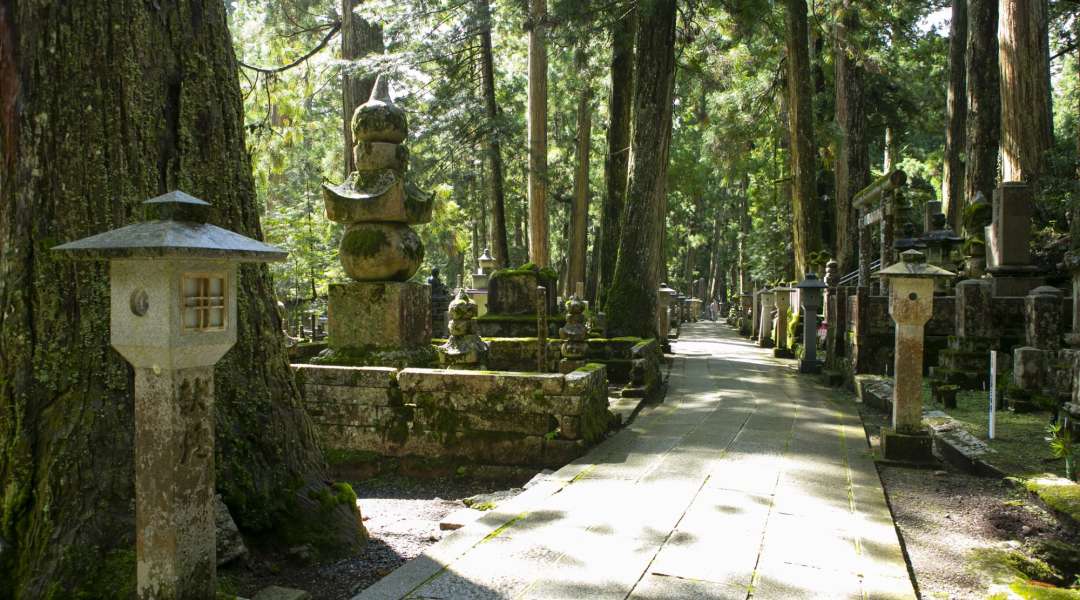
Credit: www.japan.travel
Sacred Festivals And Rituals
Experience the vibrant culture of Mount Koya through its Sacred Festivals and Rituals.
Fire Ceremony Of Goma
Witness the mesmerizing Fire Ceremony of Goma, a spiritual ritual.
Aoba Matsuri: The Green Leaf Festival
Join the Aoba Matsuri, celebrating nature and spirituality with green leaves.
Culinary Experiences Unique To Koyasan
Culinary experiences unique to Koyasan offer visitors a delightful journey into the world of traditional Japanese cuisine, reflective of the region’s rich cultural and religious heritage. From the simple yet flavorsome Shojin Ryori to the diverse range of seasonal treats and eateries, Koyasan presents an array of culinary delights that are not only satisfying to the palate but also deeply rooted in history and tradition.
Shojin Ryori: Monastic Cuisine
Shojin Ryori is a form of Japanese vegetarian cuisine that originated in the monasteries of Mount Koya. This traditional culinary style is based on the Buddhist principle of non-violence, and it emphasizes the use of seasonal ingredients to create simple yet elegant dishes that are both nourishing and delicious. The emphasis on fresh, locally sourced vegetables and tofu makes Shojin Ryori a healthy and sustainable dining choice for visitors seeking a taste of authentic Koyasan cuisine.
Seasonal Treats And Eateries
Throughout the year, Koyasan offers a diverse array of seasonal treats and eateries that showcase the best of local flavors and ingredients. From the sweet delights of freshly made yuba (tofu skin) to the hearty warmth of shojin nabe (vegetarian hot pot), visitors can indulge in a variety of unique culinary experiences that change with the seasons. Additionally, the charming eateries scattered across Koyasan provide an opportunity for visitors to savor traditional dishes while immersing themselves in the serene surroundings of this sacred mountain retreat.
The Art And Treasures Of Koyasan
Mount Koya, or Koyasan, is a sacred mountain in Japan renowned for its rich cultural and spiritual heritage. The art and treasures of Koyasan offer a glimpse into the intricate beauty and profound significance of Buddhist art and relics. From mandala tapestries to sacred statuary, the treasures of Koyasan are a testament to the enduring legacy of this spiritual sanctuary.
Mandala Tapestry
Adorning the walls of Koyasan’s temples, mandala tapestries depict intricate geometric patterns and symbolic imagery that serve as visual representations of the universe in Buddhist teachings. These mesmerizing works of art are steeped in spiritual symbolism, inviting contemplation and meditation.
Sacred Relics And Statuary
Within the hallowed halls of Koyasan, sacred relics and statuary hold profound significance for Buddhist practitioners and art enthusiasts alike. The carefully preserved relics and statues convey the spiritual essence and cultural heritage of Koyasan, offering a tangible connection to the traditions and teachings of Buddhism.
Mount Koya’s Flora And Fauna
Exploring Mount Koya’s rich biodiversity unveils a fascinating world of plants and animals.
Botanical Diversity
Mount Koya boasts a diverse array of plants, including:
- Sakura trees
- Bamboo groves
- Moss-covered forests
Wildlife Sightings And Significance
Wildlife sightings on Mount Koya hold special significance, with species like:
- Deer
- Foxes
- Various bird species
The Power Spots Of Koyasan
Nestled in the lush mountains of Mount Koya, the power spots of Koyasan exude a serene and spiritual energy. This sacred site is adorned with ancient temples, offering a tranquil retreat for visitors seeking introspection and tranquility amidst breathtaking natural beauty.
The Power Spots of Koyasan are some of the most sacred and spiritually significant locations in Japan. Mount Koya, also known as Koyasan, is a beautiful and serene place that has been a center of Buddhist practice and teaching for over a millennium. The mountain is home to over 120 temples, and it’s a popular destination for travelers seeking peace and tranquility. In this post, we’ll explore some of the most powerful and transformative locations on Mount Koya – the Energy Vortexes and Meditation Sites.Energy Vortexes
The Energy Vortexes on Mount Koya are said to be areas where the earth’s energy is particularly strong. These spots are believed to have a profound effect on the body and mind, and many people visit them to meditate, pray, or simply absorb the energy. One of the most famous Energy Vortexes on Mount Koya is the Okunoin Cemetery, which is the final resting place of Kobo Daishi, the founder of Shingon Buddhism. The cemetery is said to be one of the most powerful spiritual locations in Japan and is visited by millions of people every year.Meditation Sites
Mount Koya is also home to many Meditation Sites, which are places specifically designated for meditation and introspection. These sites are typically located in quiet, secluded areas and are designed to help visitors focus their minds and connect with their inner selves. One of the most popular Meditation Sites on Mount Koya is the Torodo Hall in the Kongobuji Temple. This hall is home to a beautiful mandala and is known for its peaceful and meditative atmosphere. In conclusion, the Power Spots of Koyasan are essential destinations for anyone seeking spiritual enlightenment or a deeper connection with themselves. Whether you’re visiting the Energy Vortexes or the Meditation Sites, you’re sure to leave Mount Koya feeling rejuvenated and inspired.Seasonal Transformations
Experience Mount Koya’s seasonal transformations in all their glory.
Cherry Blossoms Of Spring
Delight in the pink hues of cherry blossoms in spring.
Autumn Leaves In Fiery Hues
Marvel at the fiery reds and oranges of autumn leaves.
Sacred Music And Chants
Embark on a spiritual journey to Mount Koya, a UNESCO World Heritage site and the center of Shingon Buddhism. The serene surroundings of Mount Koya are deeply enriched with sacred music and chants, creating an ethereal atmosphere of tranquility and devotion. Here, the ancient art of Shomyo, Buddhist chanting, and the use of musical instruments in worship play a vital role in the religious practices and rituals.
Shomyo: Buddhist Chanting
Shomyo, the ancient ritualistic chanting, is an integral part of the religious ceremonies at Mount Koya. The melodic and hypnotic intonations of Shomyo are believed to purify the mind and lead practitioners towards enlightenment. This captivating form of chanting resonates through the temples, captivating the hearts of all who experience its profound spiritual power.
Musical Instruments In Worship
In the sacred realm of Mount Koya, the use of traditional musical instruments holds great significance in religious worship. From the resonating tones of the large Taiko drums to the delicate sounds of the shakuhachi bamboo flute, each instrument contributes to the harmonious symphony of devotion. These instruments are not merely for entertainment, but rather serve as conduits for connecting with the divine.
Koyasan’s Influence On Japanese Culture
Mount Koya, also known as Koyasan, holds a significant place in Japanese culture and has left a lasting impact on various aspects of Japanese society. From literature and poetry to artistic inspirations, Koyasan has served as a wellspring of creativity and spirituality. Let’s explore how this sacred mountain has shaped Japanese culture.
Literature And Poetry
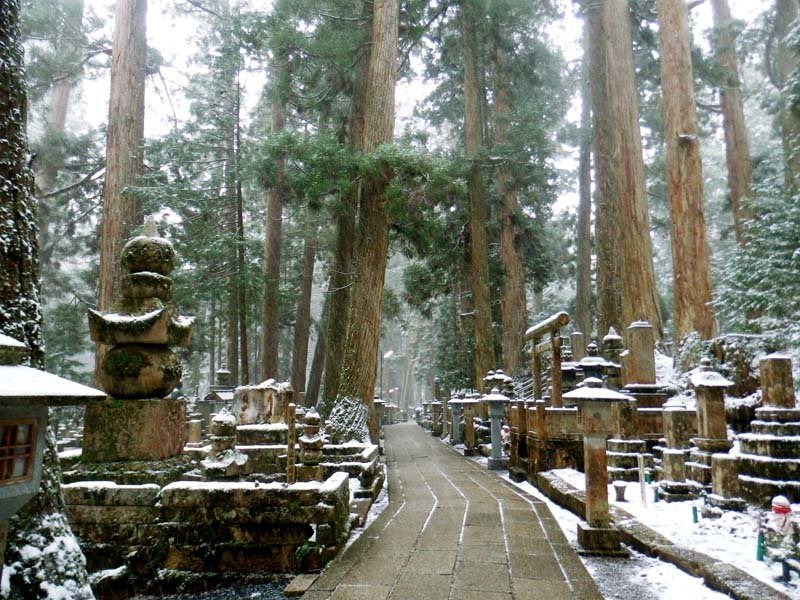
In the realm of Japanese literature and poetry, Koyasan has been a profound source of inspiration. Writers and poets throughout history have drawn from the spiritual energy and serene beauty of this mountain to create their masterpieces. The ethereal atmosphere of Koyasan, with its tranquil temples and ancient cedar forests, has provided a backdrop for tales of enlightenment, introspection, and the search for meaning.
Renowned authors like Matsuo Basho, one of Japan’s greatest haiku poets, found solace and inspiration in the peaceful surroundings of Koyasan. His haikus, three-line poems capturing the essence of a moment, often reflect the serenity and profound spirituality associated with the mountain. Through his words, Basho transports readers to the world of Koyasan, inviting them to experience its tranquility and contemplate the deeper mysteries of life.
Artistic Inspirations
The artistic world of Japan has also been greatly influenced by Koyasan. Painters, calligraphers, and artisans have been captivated by the mountain’s natural beauty and the spiritual essence it exudes. The delicate brushstrokes of traditional ink paintings often depict scenes from Koyasan, showcasing the harmony between humanity and nature that permeates the mountain.
Moreover, Koyasan’s rich cultural heritage and the intricate craftsmanship found within its temples have served as a wellspring of artistic inspiration. The detailed wood carvings, exquisite sliding doors adorned with gold leaf, and meticulously maintained rock gardens have influenced various art forms, from traditional Japanese paintings to contemporary sculptures.
Artists have sought to capture the essence of Koyasan, whether through the depiction of its sacred temples or the representation of the mountain’s profound spiritual significance. By channeling the beauty and tranquility of Koyasan into their art, these creators have shared the mountain’s magic with the world and perpetuated its influence on Japanese culture.
Credit: www.insidejapantours.com
Esoteric Teachings And Texts
Mount Koya, also known as Koyasan, is a sacred mountain located in Wakayama Prefecture, Japan. It is not only a popular destination for tourists but also a spiritual center for the Shingon sect of Buddhism. At Mount Koya, visitors can immerse themselves in the rich history and teachings of this ancient tradition. One of the most fascinating aspects of the Shingon sect is its esoteric teachings and texts.
The Sutras Of Shingon
The Shingon sect has a collection of sacred texts known as the Sutras. These Sutras form the foundation of the teachings and practices followed by Shingon Buddhists. The Sutras of Shingon are a compilation of ancient scriptures that contain profound wisdom and insights into the nature of reality and the path to enlightenment.
These sacred texts are revered for their esoteric nature, offering a deeper understanding of the universe and the human mind. They provide guidance on meditation techniques, rituals, and mantras that practitioners can use to cultivate spiritual awareness and achieve a state of awakening.
Secret Doctrines Revealed
Within the esoteric teachings of Shingon Buddhism, there are secret doctrines that are only revealed to those who have reached a certain level of spiritual maturity and commitment. These secret doctrines delve into the mystical aspects of the tradition, exploring concepts such as the interplay between the physical and spiritual realms, the power of mantra recitation, and the symbolism of sacred rituals.
These secret teachings are not meant to be kept hidden forever but are rather shared with dedicated practitioners who have proven their devotion and readiness to receive them. They offer a profound insight into the deeper layers of reality and provide a path for individuals to connect with their inner divinity.
By studying the esoteric teachings and texts of Shingon Buddhism, practitioners can embark on a transformative journey of self-discovery and spiritual growth. These teachings offer a unique perspective on the nature of existence and provide practical tools for transcending suffering and attaining enlightenment.
The Monastic Lifestyle
Embracing a monastic lifestyle, Mount Koya offers a serene escape from the hustle and bustle of modern life. The monks residing in this sacred mountain follow a disciplined routine and engage in rigorous ascetic practices. Let’s delve into the intricacies of their daily lives and spiritual pursuits.
Daily Routines Of Monks
The monks at Mount Koya adhere to a structured daily schedule, commencing their day before dawn. Their mornings are dedicated to meditation, chanting, and prayers, fostering a sense of tranquility and mindfulness.
After the morning rituals, the monks partake in communal tasks such as tending to the temple grounds, preparing meals, and engaging in study sessions to deepen their understanding of Buddhist teachings.
As the day draws to a close, the monks engage in evening prayers and reflection, culminating in a peaceful night’s rest to rejuvenate their spirits for the following day’s endeavors.
Training And Ascetic Practices
Training at Mount Koya encompasses rigorous ascetic practices designed to cultivate self-discipline and spiritual growth. Monks undergo intensive meditation sessions, enduring long periods of seated meditation to attain mental clarity and enlightenment.
In addition to meditation, the monks partake in physical training, such as martial arts and calligraphy, honing their physical and mental faculties to achieve harmony and balance in their pursuit of spiritual awakening.
Furthermore, the monks observe strict dietary restrictions, consuming simple vegetarian meals that nourish the body and support their ascetic endeavors, fostering a holistic approach to their spiritual development.

Credit: japancheapo.com
Accommodations With A Spiritual Touch
Discover accommodations with a spiritual touch at Mount Koya, offering a unique retreat experience immersed in tranquility and ancient traditions. Embrace serene surroundings and connect with nature while enjoying traditional Japanese hospitality at these spiritually enriching lodgings.
Accommodations with a Spiritual Touch are the highlight of a visit to Mount Koya. Staying in temple lodgings offers a unique experience that immerses visitors in the traditional Japanese culture and religion. The serene surroundings, tranquil atmosphere, and warm hospitality of the monks make for an unforgettable stay. Here are two options for accommodations with a spiritual touch:Staying In Temple Lodgings
Temple lodgings, or shukubo, are traditional Japanese inns located within the grounds of a temple. These accommodations have been welcoming visitors for over a thousand years and offer a glimpse into the life of a Buddhist monk. The rooms are simple yet comfortable, with tatami mat floors, futon beds, and sliding doors that open to a garden or a courtyard. Guests are encouraged to participate in the daily rituals of the temple, such as morning prayers, meditation, and vegetarian meals. Some temples offer cultural activities like calligraphy, tea ceremony, or sutra copying.A Night In Sacred Silence
For those seeking a more profound spiritual experience, a night in sacred silence is an option. This program is offered by some temples and consists of spending the night in a private room with no distractions, no food, and no talking. The purpose of this practice is to detach oneself from the outside world and focus on inner reflection. Guests are provided with a small room with a futon, a toilet, and a sink. They are also given a bell to ring in case of an emergency. The rest of the night is spent in complete silence, with no electronics or reading materials. This may sound challenging, but it can be a transformative experience for those seeking spiritual growth. In conclusion, staying in temple lodgings or experiencing a night in sacred silence are two ways to add a spiritual touch to a visit to Mount Koya. These accommodations provide a unique opportunity to immerse oneself in the traditional Japanese culture and religion, and to connect with one’s inner self.Mount Koya’s Enduring Mystique
Mount Koya, a sacred Buddhist site in Japan, holds a mysterious allure that captivates visitors.
Legends And Myths
Legends speak of Mount Koya as a place where spirits roam freely.
Unsolved Mysteries
Mount Koya’s ancient origins remain shrouded in enigmatic secrets.
Preservation And Heritage
Mount Koya’s Preservation and Heritage are remarkable aspects of this sacred site.
Unesco World Heritage Status
Mount Koya holds UNESCO World Heritage status.
Conservation Efforts
Ongoing efforts preserve Mount Koya’s cultural and natural heritage.
Visitor Etiquette And Sacred Practices
When visiting Mount Koya, it’s important to follow proper visitor etiquette and respect the sacred practices of the area. This includes removing your shoes when entering buildings, refraining from taking photos in certain areas, and observing quiet hours during prayer and meditation.
By following these guidelines, you can fully appreciate the spiritual significance of this holy mountain.
Respecting The Sanctity
When visiting Mount Koya, it is important to remember that it is a sacred site for the Shingon sect of Buddhism. As such, visitors should show respect and reverence to the religious practices and customs observed on the mountain. To start, visitors should dress modestly and remove their shoes before entering any temple or shrine on the mountain. It is also important to maintain a quiet and peaceful demeanor while on the mountain, as loud noises or disruptive behavior can be seen as disrespectful. Visitors should also refrain from taking photos or videos inside the temples and shrines, as this can be seen as intrusive and disrespectful to the sacred space. Additionally, visitors should not touch any religious artifacts or statues without permission, as they hold great significance to the practitioners of Shingon Buddhism.Participating In Temple Activities
While on Mount Koya, visitors have the opportunity to participate in various temple activities. These activities, such as meditation sessions and sutra copying, offer a unique and immersive experience into the world of Shingon Buddhism. When participating in these activities, it is important to follow the instructions of the temple staff and observe the proper etiquette. For example, during meditation sessions, visitors should remain still and quiet, and avoid fidgeting or distracting others. It is also important to show respect to the temple staff and practitioners, as they are sharing their religious practices with visitors. Visitors should show gratitude by bowing and saying thank you after each activity. In conclusion, by following these visitor etiquette and sacred practices, visitors can fully immerse themselves in the spirituality and culture of Mount Koya.Planning Your Journey To Mount Koya
When planning your journey to Mount Koya, it’s essential to consider the best times to visit, as well as important travel tips and essentials. Whether you’re a nature enthusiast, a history buff, or a spiritual seeker, Mount Koya offers a unique and serene experience that will leave a lasting impression.
Best Times To Visit
Mount Koya is stunning throughout the year, but the best times to visit are during the spring and autumn seasons. Spring, from March to May, brings cherry blossoms and pleasant weather, while autumn, from September to November, offers vibrant foliage. These seasons provide the most picturesque landscapes and comfortable temperatures for exploring the mountain.
Travel Tips And Essentials
- Respect local customs and traditions, especially when visiting temples and shrines.
- Wear comfortable shoes suitable for walking and hiking, as Mount Koya has numerous trails and paths to explore.
- Plan your accommodation in advance, as the mountain can get crowded during peak seasons.
- Carry a small backpack with water, snacks, and basic first-aid supplies for your outdoor adventures.
- Obtain a Koyasan World Heritage Ticket for convenient access to transportation and attractions.
Frequently Asked Questions
Is Mount Koya Worth Visiting?
Yes, Mount Koya is worth visiting for its serene atmosphere, ancient temples, and unique cultural experience.
Is Mount Koya From Osaka Or Kyoto?
Mount Koya is easily accessible from both Osaka and Kyoto, taking about 2 hours by train from either city.
What Is Mount Koya Known For?
Mount Koya is known for its ancient Buddhist monastic complex, Okunoin cemetery, and as a center of Shingon Buddhism.
Can You Do Mount Koya As A Day Trip?
Yes, Mount Koya can be done as a day trip, but it’s best to stay overnight to fully experience its cultural richness.
Conclusion
The ancient and serene Mount Koya is a unique destination that offers visitors a chance to experience a different side of Japan. With its stunning natural beauty, rich history, and unique cultural traditions, it is no wonder that Mount Koya has become a popular destination for travelers from around the world.
Whether you are looking to explore the many temples and shrines, take in the scenic beauty of the surrounding countryside, or simply relax and enjoy the peaceful atmosphere, Mount Koya is an experience that is not to be missed. So why not plan your next trip to this magical destination and discover all that Mount Koya has to offer?
