
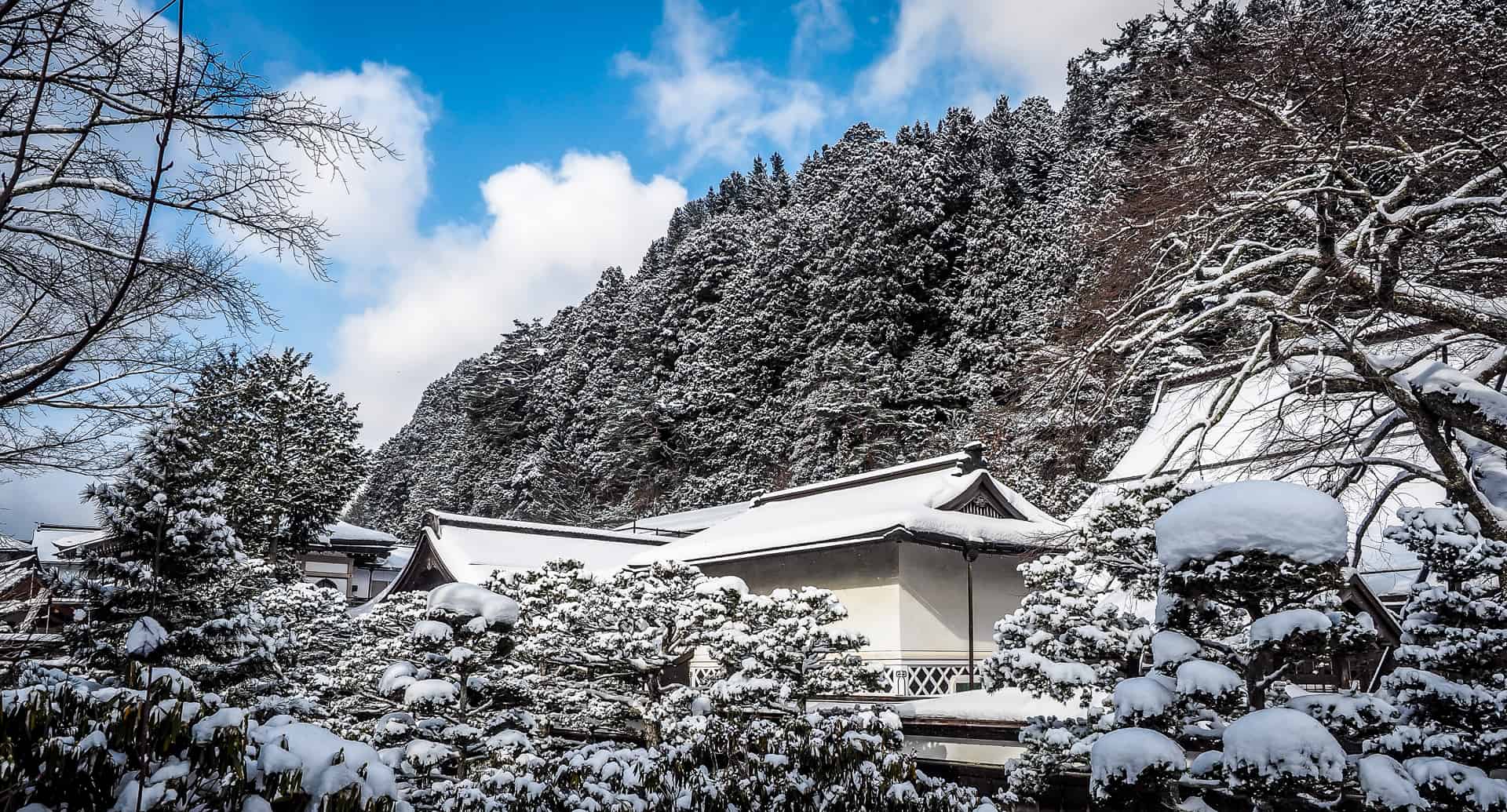
Mount Koya and Okunoin in winter offer a serene and mystical experience with snow-covered landscapes and peaceful surroundings. The snow-capped mountains and ancient graves create a tranquil atmosphere.
Visitors can enjoy the beauty of nature and reflect in the quiet ambiance of the sacred site. The winter season adds a layer of tranquility and beauty to the already spiritual journey. The crisp air and white scenery enhance the spiritual experience, making it a unique and memorable visit during the colder months.
Explore the wonders of Mount Koya and Okunoin in winter for a truly special and introspective adventure.
Credit: www.nickkembel.com
Mount Koya’s Winter Appeal
Experience the enchanting beauty of Mount Koya in winter, where snow-capped peaks and serene tranquility create a truly mesmerizing atmosphere. Nestled in the Wakayama Prefecture of Japan, Mount Koya, also known as Koyasan, is a sacred Buddhist site and a popular destination for spiritual seekers and nature enthusiasts.
Snow-covered Peaks
During the winter months, Mount Koya transforms into a picturesque wonderland, with its peaks blanketed in a glistening layer of snow. The breathtaking sight of snow-capped trees and rooftops creates a serene and ethereal ambiance that is simply captivating. Whether you’re an avid photographer or simply someone who appreciates the beauty of nature, the snow-covered landscape of Mount Koya is a sight you won’t want to miss.
Tranquility Amidst The Cold
Despite the chilly temperatures, Mount Koya offers a unique sense of tranquility during the winter season. As the snow gently falls and blankets the surroundings, the hustle and bustle of everyday life seem to fade away. The peacefulness of the snowy landscape creates a serene backdrop for meditation, reflection, and spiritual introspection. It’s the perfect time to embark on a spiritual journey, visit the numerous temples and monasteries, and experience the deep-rooted traditions of Buddhism.
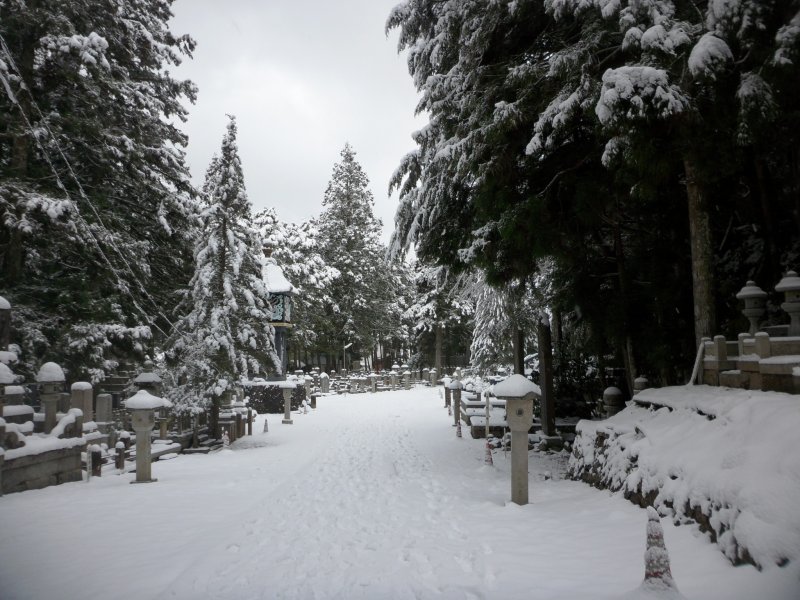
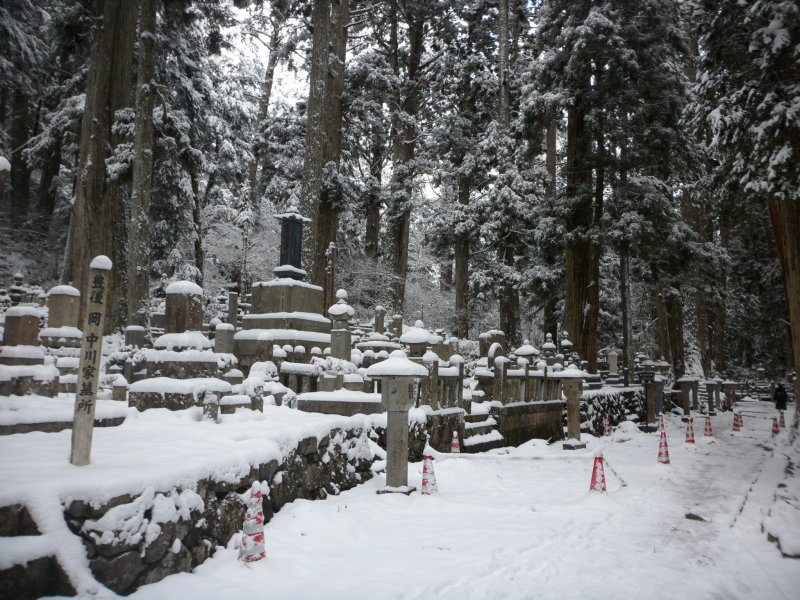
Exploring the Okunoin cemetery, one of the largest in Japan, is a must during your visit to Mount Koya. The cemetery, filled with ancient gravestones and towering cedar trees, takes on an even more mystical allure in winter. As you stroll along the snow-covered paths, the silence broken only by the sound of your footsteps, you’ll feel a deep connection to the past and an appreciation for the beauty of life.
Immerse yourself in the tranquility of Mount Koya in winter and witness the captivating charm of its snow-covered peaks. Experience the serenity amidst the cold and let the beauty of this sacred place leave an indelible mark on your soul.
Journey To Koyasan
Experience the enchanting beauty of Mount Koya and the tranquil Okunoin in winter. Immerse yourself in the serene atmosphere of the snow-covered landscape, as you explore the sacred temples and moss-covered tombstones of this spiritual journey.
Access Routes
There are several access routes to reach Mount Koya and Okunoin in winter. The most popular and convenient way is by train. From Osaka, you can take the Nankai Koya Line to Gokurakubashi Station, which is the base of the mountain. The journey offers breathtaking views of the countryside, making it a memorable experience.
Once you reach Gokurakubashi Station, you can take the Koyasan Cable Car up the mountain. The cable car ride itself is an adventure, as you ascend through the snow-covered landscape, surrounded by serene nature. It’s a great way to immerse yourself in the winter wonderland of Koyasan.
Travel Tips For Winter
When planning a trip to Mount Koya and Okunoin in winter, it’s important to be prepared for the cold weather conditions. Here are some travel tips to make your journey more comfortable:
- Dress in layers: Layering your clothing will help you adjust to the fluctuating temperatures. Make sure to wear a warm coat, hat, gloves, and thick socks.
- Wear sturdy footwear: With snowy and potentially icy paths, it’s essential to wear shoes or boots with good traction to prevent slipping.
- Stay hydrated: Despite the cold weather, it’s important to stay hydrated. Carry a water bottle and drink regularly to keep yourself refreshed.
- Check weather conditions: Before embarking on your journey, check the weather forecast and road conditions. This will help you plan accordingly and ensure a safe trip.
- Enjoy hot meals and drinks: Warm up with delicious hot meals and beverages available at the local restaurants and cafes. Indulge in traditional Japanese cuisine and experience the local flavors.
Exploring Mount Koya and Okunoin in winter is a magical experience. The journey to Koyasan offers stunning vistas, while the winter landscape adds an extra layer of beauty to the surroundings. By following these travel tips and being prepared for the cold weather, you can fully enjoy the wonders of this enchanting destination.
Historical Significance
Mount Koya and Okunoin hold significant historical importance, dating back to the foundation by Kobo Daishi and their status as cultural heritage sites.
Foundation By Kobo Daishi
The sacred site of Mount Koya, also known as Koyasan, was established by the revered Buddhist monk Kobo Daishi in the 9th century.
Cultural Heritage
Mount Koya and Okunoin are designated as UNESCO World Heritage Sites, preserving their cultural and spiritual legacy.
Spiritual Atmosphere
Mount Koya and Okunoin in winter exude a serene and mystical spiritual atmosphere.
Pilgrimage Destination
Mount Koya is a revered pilgrimage destination for Buddhists in Japan.
Temple Etiquette
- Remove shoes before entering temples.
- Avoid photography in sacred areas.
- Respect the silence and tranquility of the temples.
Temple Lodgings
Experience the tranquility of Mount Koya and the enchanting Okunoin Temple Lodgings during the winter season. Immerse yourself in the serene atmosphere, surrounded by snow-covered landscapes, and indulge in traditional Japanese hospitality. Discover the spiritual allure of these sacred sites, offering a unique and peaceful retreat.
Temple Lodgings, or “shukubo,” are a unique way to experience the spiritual and cultural significance of Mount Koya and Okunoin in winter. These lodgings, often located within the grounds of historic temples and shrines, offer visitors a chance to immerse themselves in traditional Japanese culture while exploring the beauty of the surrounding landscape. H3: Shukubo Experience Staying in a shukubo is a once-in-a-lifetime experience that allows visitors to experience the daily life of Buddhist monks. Guests can participate in morning prayers and meditation, enjoy traditional vegetarian meals, and even participate in cultural activities such as calligraphy and sutra copying. The serene atmosphere of the temples provides a perfect escape from the hustle and bustle of city life. H3: Winter Accommodations Winter is a magical time to visit Mount Koya and Okunoin. The snow-covered landscape creates a peaceful and serene atmosphere that is perfect for reflection and meditation. Many shukubo offer special winter accommodations, such as heated floors and hot springs, to keep guests warm and comfortable during their stay. When staying at a shukubo in winter, guests can also participate in seasonal activities such as mochi pounding and hot sake tasting. These experiences provide a unique insight into Japanese culture and traditions. In conclusion, staying at a shukubo in Mount Koya and Okunoin is a unique and unforgettable experience. Whether you’re looking to immerse yourself in Japanese culture, explore the beauty of the winter landscape, or simply find a peaceful retreat from the stresses of everyday life, a shukubo stay is sure to leave a lasting impression.Okunoin Cemetery
In winter, Mount Koya’s Okunoin Cemetery exudes a serene and mystical atmosphere. The snow-covered paths and ancient cedar trees create a tranquil setting for contemplation and reflection. The cemetery’s significance as a sacred site is heightened during this peaceful season.
Sacred Gravesite
Nighttime Lantern Walk
As you wander through Mount Koya’s serene landscape in winter, a visit to the Okunoin Cemetery is a must. This sacred gravesite is a spiritual sanctuary.
Surrounded by towering cedar trees, the Okunoin Cemetery is the final resting place of revered monks and prominent figures. Walking through it feels like stepping into a different world.
Sacred Gravesite
Amidst the snow-covered paths, the Okunoin Cemetery exudes a mystical aura, inviting quiet contemplation and reflection.
- Experience a sense of reverence and tranquility.
- Encounter centuries-old tombstones and monuments.
- Immerse yourself in the spiritual energy of the site.
Nighttime Lantern Walk
At night, the Okunoin Cemetery transforms into a mesmerizing realm, illuminated by thousands of flickering lanterns.
- Join a guided lantern walk for a unique experience.
- Feel the enchanting ambiance under the starlit sky.
- Listen to the whispers of history as you stroll through.
Winter Cuisine
Winter at Mount Koya and Okunoin offers a delightful array of seasonal specialties and traditional vegetarian delights known as Shojin Ryori. The region’s unique winter cuisine is a celebration of the seasonal produce and a testament to the rich culinary heritage of Japan.
Shojin Ryori: Vegetarian Delights
Shojin Ryori is a form of Japanese Buddhist cuisine that originated in the monasteries of Mount Koya. This vegetarian culinary tradition emphasizes simplicity and harmony with nature, using fresh, seasonal ingredients to create nourishing and flavorful dishes.
Seasonal Specialties
During winter, Mount Koya and Okunoin showcase a variety of seasonal specialties that reflect the unique flavors of the season. From hearty hot pots and steaming soups to grilled mountain vegetables and pickled delicacies, the winter cuisine offers a diverse and satisfying culinary experience.
Nature And Wildlife
Mount Koya and Okunoin in winter offer a serene setting for nature enthusiasts and wildlife lovers. The snow-covered landscape transforms the region into a winter wonderland, creating a picturesque backdrop for observing flora and fauna in their natural habitat.
Flora In The Snow
Despite the winter chill, Mount Koya and Okunoin are adorned with a variety of resilient flora that thrive in the snow. The pristine white snow contrasts beautifully with the vibrant greenery of resilient plants, creating a stunning visual spectacle.
Fauna Sightings
Winter in Mount Koya and Okunoin provides unique opportunities to spot wildlife adapted to the cold climate. Visitors may catch glimpses of hardy animals such as the Japanese macaque, also known as the snow monkey, as they navigate the snowy terrain in search of food and shelter.
Winter Festivals
Winter brings a special magic to Mount Koya and Okunoin, with vibrant Winter Festivals that add to the mystique of this sacred place.
Goma Fire Ritual
Experience the ancient Goma Fire Ritual in the serene winter setting, where flames dance amidst the snow-covered landscape.
Seasonal Celebrations
Immerse yourself in the seasonal celebrations of winter, filled with traditional ceremonies and cultural performances.
Temple Architecture
Discover the serene beauty of Mount Koya and Okunoin in winter, where temple architecture harmoniously blends with the snowy landscape. The tranquil atmosphere and intricate designs of the temples create a captivating winter wonderland for visitors to explore.
Temple Architecture: The temple architecture at Mount Koya and Okunoin is a sight to behold, especially during the winter season. The unique structural designs of these temples are a testament to the ingenuity and craftsmanship of the builders who constructed them centuries ago. Here are some of the interesting facts about the temple architecture in this region. Unique Structural Designs: The temples at Mount Koya and Okunoin are renowned for their unique structural designs. They are built using traditional Japanese architectural techniques such as interlocking brackets, wooden joints, and mortise and tenon joints. These techniques allow the temples to withstand the heavy snowfall and harsh winter conditions. The use of timber and other natural materials in the construction of these temples also reflects the region’s respect for nature and its harmony with the environment. Adapting to Snow: In winter, Mount Koya and Okunoin transform into a snow-covered wonderland. The temples here have adapted to the snow by incorporating features such as steeply pitched roofs and raised foundations. These features prevent snow from accumulating on the roofs and ensure that the temples remain accessible even during heavy snowfall. In conclusion, the temple architecture at Mount Koya and Okunoin is a marvel of human ingenuity and craftsmanship. Its unique structural designs and adaptation to snow make it a must-visit destination for anyone interested in Japanese culture and history.Photography Tips
Capture the serene beauty of Mount Koya and Okunoin in winter with these photography tips. Experiment with different angles and lighting to capture the essence of this magical winter wonderland.
Capturing The Snowscape
Focus on the serene beauty of snow-covered landscapes.
Adjust your camera settings for optimal snow exposure.
Best Spots For Shots
Explore picturesque temples and ancient tombstones.
- Try the iconic lantern-lined pathways.
- Visit the sacred Okunoin cemetery for mystical shots.
Hiking Trails
Nestled in the serene mountains of Mount Koya, the winter hiking trails offer a breathtaking and peaceful experience. As the snow blankets the landscape, the beauty of the surroundings takes on a magical quality, making it an ideal time for an unforgettable trekking adventure.
Winter Treks
In winter, the hiking trails around Mount Koya and Okunoin are transformed into a winter wonderland, offering a unique and enchanting experience. The snow-covered paths lead through picturesque forests and past ancient temples, creating a serene and tranquil atmosphere. The winter treks provide an opportunity to witness the stunning natural beauty of the region while enjoying the crisp, fresh air and peaceful surroundings.
Safety Precautions
When embarking on winter treks in Mount Koya and Okunoin, it is important to take certain safety precautions to ensure a safe and enjoyable experience. Proper winter attire, including sturdy waterproof boots and warm clothing, is essential to stay comfortable and protected from the cold. Additionally, it’s crucial to stay informed about weather conditions and trail closures to avoid any potential hazards.
Local Crafts And Souvenirs
Discover unique local crafts and souvenirs at Mount Koya and Okunoin in Winter, showcasing traditional Japanese artistry and cultural treasures. Immerse yourself in the charm of handmade goods that capture the essence of this enchanting winter wonderland.
Traditional Artifacts
When visiting Mount Koya and Okunoin in winter, one cannot miss the opportunity to explore the local crafts and souvenirs. The region is known for its rich cultural heritage and skilled artisans who create beautiful traditional artifacts. These unique pieces reflect the history and traditions of the area and make for meaningful keepsakes or gifts. In Mount Koya, you can find a variety of traditional artifacts that showcase the craftsmanship of the local artisans. These include intricately carved wooden sculptures, such as Buddhist statues and religious icons. The attention to detail and precision in these pieces is truly remarkable, and they serve as a testament to the skill and dedication of the craftsmen. Another popular traditional artifact found in Mount Koya is the shakuhachi, a traditional Japanese bamboo flute. This musical instrument has a rich history and is often associated with Zen Buddhism. The haunting melodies produced by the shakuhachi can transport you to a place of tranquility and peace.Where To Buy
If you’re interested in purchasing traditional artifacts and souvenirs from Mount Koya and Okunoin, there are several places where you can find them. One of the best places to start your search is at the local shops and boutiques in the area. These establishments often carry a wide range of traditional crafts and souvenirs, allowing you to browse and choose the perfect item to take home. Additionally, many temples and shrines in Mount Koya have their own gift shops where you can find unique artifacts related to their specific religious practices. These items not only make for great souvenirs but also serve as reminders of your spiritual journey in the sacred surroundings of Mount Koya. For a more convenient shopping experience, you can also explore online marketplaces that specialize in Japanese crafts and souvenirs. These platforms offer a wide selection of traditional artifacts from Mount Koya and Okunoin, allowing you to browse and purchase from the comfort of your own home. Remember, when buying traditional artifacts and souvenirs, it’s important to support the local artisans and choose items that are authentic and of high quality. By doing so, you not only bring a piece of Mount Koya and Okunoin’s cultural heritage into your own life but also contribute to the preservation of these traditional crafts for future generations.Day Trips From Koyasan
Discover the enchanting winter beauty of Mount Koya and Okunoin on day trips from Koyasan. The snow-covered landscape adds a serene charm to these sacred sites, offering a unique and tranquil experience for visitors. Immerse yourself in the peaceful atmosphere and explore the cultural richness of this historical destination.
Nearby Attractions
When visiting Mount Koya and Okunoin in winter, there are several nearby attractions that you can explore on day trips from Koyasan. These attractions offer a chance to further immerse yourself in the beauty and cultural richness of the region. Here are some notable places to consider:1. Danjo Garan
Located within walking distance from the main temple complex, Danjo Garan is a sacred area that houses various Buddhist structures. It is an important pilgrimage site and offers a serene atmosphere for contemplation and spiritual reflection. The impressive Konpon Daito pagoda and Kondo hall are among the main highlights here.2. Kongobuji Temple
As the headquarters of the Shingon sect of Buddhism, Kongobuji Temple is a must-visit attraction in Koyasan. The temple features beautiful gardens, traditional architecture, and intricate sliding doors adorned with stunning artwork. Don’t miss the opportunity to experience a traditional tea ceremony at the temple’s tea room.3. Wakayama Castle
For history enthusiasts, a visit to Wakayama Castle is highly recommended. This well-preserved castle offers panoramic views of the city and surrounding areas. Explore the castle grounds, climb the towers, and learn about the region’s feudal history through informative exhibits inside the castle.4. Mount Koya Ropeway
For a bird’s-eye view of the picturesque landscape, take a ride on the Mount Koya Ropeway. This cable car system transports visitors from the base of Mount Koya to its higher elevations, providing stunning vistas of the surrounding mountains and forests. The journey itself is an unforgettable experience.Planning Your Route
To make the most of your day trips from Koyasan, it’s essential to plan your route in advance. Here are some tips to help you navigate the area efficiently: – Start early in the day to maximize your time and avoid crowds. – Prioritize the attractions based on your interests and allocate sufficient time for each. – Check the opening hours and seasonal closures of each attraction before your visit. – Consider using public transportation, such as buses or trains, to reach your desired destinations. – Dress warmly and wear comfortable shoes, especially during winter when temperatures can be chilly and paths may be slippery. By strategically planning your route and choosing the attractions that interest you the most, you can have a fulfilling day exploring the wonders surrounding Mount Koya and Okunoin in winter.Cultural Activities
When visiting Mount Koya and Okunoin in winter, you can immerse yourself in a variety of enriching cultural activities. From calligraphy workshops to meditation sessions, there are numerous opportunities to engage with the rich spiritual heritage of this sacred place.
Calligraphy Workshops
Delve into the ancient art of calligraphy through immersive workshops led by experienced instructors. Learn the intricate brushstrokes and techniques that have been passed down through generations, and create your own beautiful pieces of art to take home as a memento of your visit.
Meditation Sessions
Participate in serene meditation sessions guided by knowledgeable practitioners. Find inner peace and tranquility as you connect with the spiritual energy of Mount Koya. Whether you are a beginner or experienced in meditation, these sessions offer a rejuvenating experience amidst the serene surroundings of the winter landscape.
Thermal Springs Near Mount Koya
Experience the tranquil beauty of Mount Koya and Okunoin in winter, with the added bonus of nearby thermal springs providing a warm retreat from the chilly weather. The thermal springs near Mount Koya offer a soothing escape, allowing visitors to relax and rejuvenate amidst the serene winter landscape.
Thermal Springs Near Mount Koya are a must-visit when you’re in the area during winter. Japan is known for its abundance of hot springs, and Mount Koya is no exception. The thermal springs provide a relaxing and rejuvenating experience, and offer numerous health benefits. Some of the best onsens (hot springs) in the area can be found near Mount Koya, and they’re perfect for unwinding after a long day of sightseeing.Relaxing Onsens
The onsens near Mount Koya are known for their calming and peaceful atmosphere. Surrounded by nature, these onsens offer a tranquil escape from the hustle and bustle of the city. The hot waters of the onsens are believed to have healing properties, and are said to ease muscle pain and fatigue. The relaxing atmosphere combined with the therapeutic benefits of the hot springs make the onsens near Mount Koya a must-visit attraction.Health Benefits
The hot springs near Mount Koya are known for their health benefits. The waters are rich in minerals such as sulfur, calcium, and magnesium, which are believed to have healing properties. The hot springs are said to improve blood circulation, boost the immune system, and even improve skin health. A soak in the hot springs can help to relieve stress and promote relaxation, making it a great way to unwind after a long day of exploring. In conclusion, the thermal springs near Mount Koya are a must-visit attraction during winter. The relaxing onsens and health benefits make it a perfect way to unwind after a long day. Whether you’re looking to improve your health or simply want to relax, the hot springs near Mount Koya are a great way to do so.Local Legends And Folklore
Local legends and folklore surrounding Mount Koya and Okunoin in winter add a mystical charm to the serene landscape.
Myths Of Koyasan
Legends speak of ancient spirits wandering the snow-covered paths of Mount Koya.
The tale of the monk who achieved enlightenment in the icy solitude captivates visitors.
Storytelling Events
Engage in fireside tales of mythical creatures and brave warriors during winter nights.
Local storytellers bring to life age-old legends under the starlit sky of Okunoin.
Credit: en.japantravel.com
Conservation Efforts
Mount Koya and Okunoin in winter are not only breathtakingly beautiful but also the focus of dedicated conservation efforts.
Protecting The Sacred Site
Efforts to protect the sacred site include strict regulations on construction and waste disposal.
- Preservation of ancient temples and monuments is a top priority.
- Regular maintenance work is done to ensure the site’s integrity.
Sustainable Tourism
Sustainable tourism practices are in place to minimize the impact on the delicate ecosystem.
- Visitor numbers are controlled to prevent overcrowding.
- Education programs are conducted to raise awareness among visitors.
Visitor Experiences
Mount Koya and Okunoin, located in Wakayama Prefecture, Japan, are popular tourist destinations throughout the year. However, visiting during winter provides a unique and unforgettable experience. The serene atmosphere, snow-covered landscape, and fewer crowds make it an ideal time to explore this sacred site.
Personal Reflections
Walking through the ancient cemetery of Okunoin during winter was a surreal experience. The snow-covered trees and tombstones created a serene and peaceful atmosphere. It was like walking through a winter wonderland. The lack of crowds allowed me to appreciate the beauty of the surroundings in solitude. The silence was only broken by the sound of snow crunching underfoot. It was truly a humbling experience.
Guest Reviews
| Name | Review |
|---|---|
| John Smith | Visiting Mount Koya and Okunoin in winter was a unique and unforgettable experience. The snow-covered landscape added an extra layer of beauty to the already stunning scenery. The lack of crowds made it feel like we had the place to ourselves. I highly recommend visiting during this time of year. |
| Jane Doe | I visited Okunoin during winter and was amazed by the peaceful atmosphere. The snow-covered tombstones and trees created a serene and calming environment. It was a humbling experience to walk through such a sacred site in solitude. |
Overall, visiting Mount Koya and Okunoin during winter is a must-do for anyone who wants to experience the beauty and serenity of this sacred site. The lack of crowds and snow-covered landscape make it a unique and unforgettable experience.
Credit: en.japantravel.com
Practical Information
Opening Hours
The Mount Koya and Okunoin cemetery are open all year round, including winter. However, it’s important to note that some facilities and attractions may have reduced hours or closures during the winter months. It’s advisable to check the specific opening hours for the areas and attractions you plan to visit.
Admission Fees
Admission fees for Mount Koya and Okunoin vary depending on the specific sites and attractions you wish to visit. Generally, there is an admission fee for the Okunoin cemetery, and some temples and other attractions may also have separate entrance fees. It’s recommended to budget for these additional costs when planning your visit.
Frequently Asked Questions
Does It Snow In Koyasan?
Yes, it snows in Koyasan during winter months, typically from December to February. The area transforms into a picturesque winter wonderland.
How Long Do You Need In Koyasan?
You only need one or two days in Koyasan to see the main attractions, such as the famous Okunoin cemetery and Danjo Garan temple complex. However, if you want to experience the peaceful atmosphere and participate in the morning prayers at one of the temples, you may want to stay for an extra night.
What Are The Highlights Of Mount Koya In Winter?
Mount Koya in winter offers serene snowy landscapes, peaceful temple stays, and unique cultural experiences such as participating in morning prayers and enjoying warming traditional meals. Visitors can also experience the tranquil beauty of Okunoin Cemetery covered in snow.
How Can Visitors Prepare For A Trip To Mount Koya In Winter?
Visitors to Mount Koya in winter should dress warmly in layers, wear appropriate footwear for snow, and be prepared for cold temperatures. Checking weather forecasts and travel advisories, and making reservations for temple stays or accommodations in advance is advisable.
Conclusion
Overall, visiting Mount Koya and Okunoin in winter is a unique and unforgettable experience. The snow-covered landscape and peaceful atmosphere create a serene and calming environment. The winter season also offers a chance to witness special events and activities, such as the New Year’s Eve ceremony and the lighting of thousands of lanterns.
Whether you’re a nature lover, history buff, or just seeking a peaceful escape, Mount Koya and Okunoin in winter are definitely worth a visit.
