
The best way to travel in Japan is by using the Japan Rail Pass and efficient public transportation systems. These options offer convenience, affordability, and extensive coverage.
Japan’s transportation network is world-renowned for its efficiency and punctuality. The Japan Rail Pass provides unlimited travel on JR trains, including the famous Shinkansen bullet trains. This pass is available exclusively to tourists and offers substantial savings. Local buses, subways, and regional trains complement the rail system, ensuring seamless travel.
Prepaid cards like Suica and Pasmo simplify fare payments across various modes of transport. Taxis and bike rentals are also viable options for shorter distances. With such a comprehensive network, exploring Japan becomes a hassle-free and enjoyable experience.
Getting Around By Train
The Japan Rail Pass is a great way to save money. It allows unlimited travel on most trains. You can use it on Shinkansen and local trains. The pass is available for 7, 14, or 21 days. Only tourists can buy it. Remember to purchase it before arriving in Japan. The pass is very easy to use. Just show it at the gate.
The Shinkansen is also known as the bullet train. It is very fast and comfortable. The trains can reach speeds of up to 320 km/h. Seats are spacious and clean. You can enjoy beautiful views from the window. Food and drinks are available on board. It’s a great way to travel long distances quickly.
Local trains connect smaller towns and cities. They are very reliable and frequent. You can use an IC card for easy travel. The trains are clean and safe. Many local trains offer beautiful scenic routes. They are perfect for short trips.
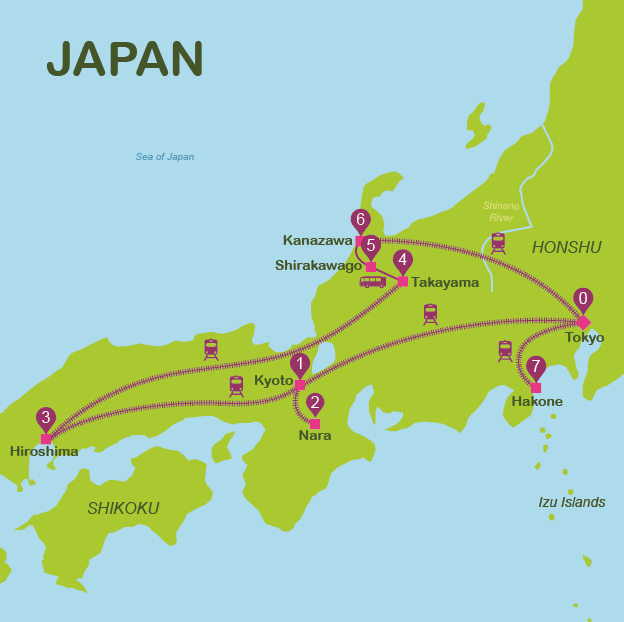
Navigating The Bus System
Intercity buses in Japan are very reliable. They connect major cities and towns. These buses are often cheaper than trains. Tickets can be booked online or at stations. Buses offer comfortable seats and clean restrooms. Night buses are also available for long trips. This can save you a night’s hotel cost.
Local buses serve smaller towns and rural areas. They are essential for reaching places without train stations. Always have exact change or a travel card ready. Most local buses accept IC cards like Suica or Pasmo. Bus stops usually have clear signs in English. Timetables are also available online.
- Always check the bus schedule in advance.
- Carry small change for bus fares.
- Buy tickets online for intercity buses.
- Use IC cards for easy payment.
- Be at the bus stop a few minutes early.
- Respect local customs and be quiet on the bus.
Using Taxis And Ride-sharing
Taxis in Japan are clean and reliable. They are available at most train stations and busy streets. Look for a green light on the taxi’s roof. It means the taxi is available. Most taxis accept credit cards and IC cards. Drivers are usually polite and helpful. English-speaking drivers are rare. Have your destination written in Japanese.
Ride-sharing apps like Uber and JapanTaxi are available. Download the app before your trip. These apps are user-friendly and show estimated fares. They also provide driver details and car information. Payments can be made through the app. Ride-sharing is a good option for non-Japanese speakers.
Taxis and ride-sharing can be expensive. Taxi fares start with a base fare and increase with distance and time. Ride-sharing fares vary by demand and time of day. Check the fare estimate before booking. Consider using public transport for longer distances to save money.
Renting A Car
Renting a car in Japan is simple. Visit a car rental office. Show your International Driving Permit (IDP) and passport. Choose a car from the available options. Sign the rental agreement. Pay with a credit card. Inspect the car for any damage. Take photos if needed. Return the car on time to avoid extra charges.
Driving in Japan is on the left side. Follow all traffic rules strictly. Speed limits are posted in kilometers per hour. Major roads have English signs. GPS navigation is very helpful. Toll roads exist, so carry some cash. Respect pedestrians and cyclists.
Parking can be challenging in Japan. Look for designated parking lots. Avoid parking on the street. Use parking meters in cities. Pay attention to parking signs. Some parking lots use automated systems. Always lock your car. Keep the parking ticket safe.
Exploring By Bicycle
Bike rentals are easy to find in Japan. Many cities have bike rental shops. Some train stations also rent bikes. Rental prices are usually affordable. Prices range from 500 to 1500 yen per day. Some places offer electric bikes. Electric bikes make cycling easier.
Japan has many scenic cycling routes. The Shimanami Kaido is famous. It connects Honshu and Shikoku islands. The route is 70 kilometers long. The Kibi Plain route is also popular. It is 16 kilometers long. This route passes through beautiful countryside. The Lake Biwa route is another favorite. It circles Japan’s largest lake.
Always wear a helmet. Follow traffic rules. Ride on the left side of the road. Use hand signals when turning. Be aware of pedestrians. Many sidewalks are shared with cyclists. Lock your bike when not in use. This prevents theft. Check the weather forecast before you go. Avoid cycling in heavy rain.
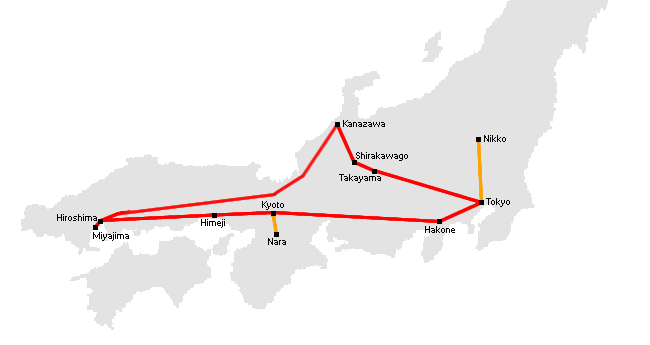
Unique Travel Experiences
Scenic trains offer a breathtaking way to see Japan. The views from the train windows are stunning. You can see mountains, rivers, and traditional villages. These trains are comfortable and relaxing. You can enjoy a meal while you travel. It is a great way to experience Japan’s beauty.
Boat cruises provide a unique view of Japan. You can sail through beautiful lakes and rivers. The water is calm and peaceful. You can see cherry blossoms in spring. In autumn, the leaves are vibrant and colorful. Cruises often include a guide. The guide shares interesting stories and facts about the area.
Cultural tours let you dive deep into Japan’s rich history. You can visit ancient temples and shrines. These places are full of history and beauty. Guides explain the customs and traditions. You can participate in tea ceremonies. There are also opportunities to try traditional crafts. Cultural tours are educational and fun.
Accommodation Options
Japan has many hotels and ryokan. Hotels are modern and have many amenities. Ryokan offers a traditional experience. You can sleep on tatami mats and eat kaiseki meals. Both options are comfortable and offer great service. Choosing between them depends on your preference and budget.
Hostels and guesthouses are budget-friendly. These places are great for backpackers and solo travelers. You can meet new people and share experiences. Rooms can be private or dormitory-style. The atmosphere is usually friendly and relaxed. They often have communal kitchens and lounges.
Japan offers unique stays like capsule hotels and temple lodgings. Capsule hotels have small, private pods. They are perfect for a short stay. Temple lodgings offer a spiritual experience. You can stay with monks and join their daily routines. These options provide a memorable experience. They are unique to Japan.

Travel Tips
Discover the best way to travel in Japan by utilizing the efficient and punctual Shinkansen bullet trains. Explore the country with convenient rail passes, offering unlimited travel on select routes. Enjoy a seamless journey through Japan’s stunning landscapes and vibrant cities.
Language And Communication
Learning a few basic Japanese words helps a lot. Most people in Japan do not speak English. Hello is “Konnichiwa” and Thank you is “Arigatou”. Use Google Translate for help. Body language and gestures also help to communicate.
Money Matters
Japan is a cash-based society. Always carry cash because many places do not accept cards. ATMs in convenience stores are a good place to withdraw money. Exchange your currency to Yen before traveling.
Cultural Etiquette
Remove your shoes before entering someone’s home. It is polite to bow when greeting people. Do not tip in Japan, as it is considered rude. Eating while walking is generally frowned upon.
Frequently Asked Questions
What’s The Best Way To Travel Through Japan?
The best way to travel through Japan is by using the Japan Rail Pass. It offers unlimited train rides. This pass is cost-effective and covers most major cities. Buses and domestic flights are alternatives for areas not serviced by trains.
Use prepaid IC cards for local transport.
How Do Foreigners Get Around In Japan?
Foreigners get around Japan using trains, buses, and taxis. Japan Rail Pass offers unlimited travel on JR trains. Navigating is easy with English signs and maps.
What Is The Best Transportation For Tourist In Japan?
The best transportation for tourists in Japan is the train. Japan’s rail system is efficient, punctual, and extensive. The Japan Rail Pass offers unlimited travel on JR trains, making it convenient and cost-effective for tourists.
Is $5000 Enough For A Trip To Japan?
Yes, $5000 is enough for a trip to Japan. It covers flights, accommodation, food, and attractions for a standard trip.
Conclusion
Exploring Japan offers unforgettable experiences. Choose bullet trains for speed, buses for scenic routes, and bikes for local charm. Each mode of travel provides unique perspectives. Plan wisely and enjoy the blend of tradition and modernity. Your adventure in Japan will be both memorable and enriching.
Safe travels!
