
The best time to travel to Japan in 2025 is during spring (March to May) and autumn (September to November). These seasons offer mild weather and vibrant scenery.
Japan’s allure is undeniable, with its rich culture, stunning landscapes, and advanced technology. Spring in Japan showcases cherry blossoms, creating picturesque scenes in cities like Tokyo and Kyoto. Autumn brings vibrant foliage, making places like Nikko and Kyoto captivating. Both seasons provide comfortable temperatures, ideal for sightseeing and outdoor activities.
Tourists can enjoy festivals, traditional ceremonies, and culinary delights. Advanced planning is essential due to the popularity of these periods. Travel during these months ensures an unforgettable experience, blending natural beauty with cultural richness.

Spring Highlights
The cherry blossom season in Japan is stunning. Cherry blossoms start blooming in late March. The peak bloom usually occurs in early April. Parks and gardens are filled with pink flowers. People enjoy hanami, which means flower viewing. Families and friends gather for picnics under the cherry trees. The air is filled with fragrance and joy.
Spring in Japan is full of festivals. The Takayama Spring Festival is famous. It features parades with floats. The Kanda Matsuri in Tokyo is another highlight. It happens in May and includes processions and performances. The Hirosaki Cherry Blossom Festival is also popular. It takes place in Hirosaki Park. These events offer a glimpse into Japanese culture and traditions.
Summer Adventures
Japan has many beautiful beaches. Okinawa is known for its clear blue waters. You can snorkel and see colorful fish. Shonan Beach is near Tokyo. It is perfect for a quick trip. Enjoy the sun and sand at these lovely spots.
Summer is full of exciting festivals. Gion Matsuri in Kyoto is famous. People dress in traditional clothes. Fireworks light up the sky at Sumida River Fireworks. Experience the fun and joy of Japanese culture.
Autumn Beauty
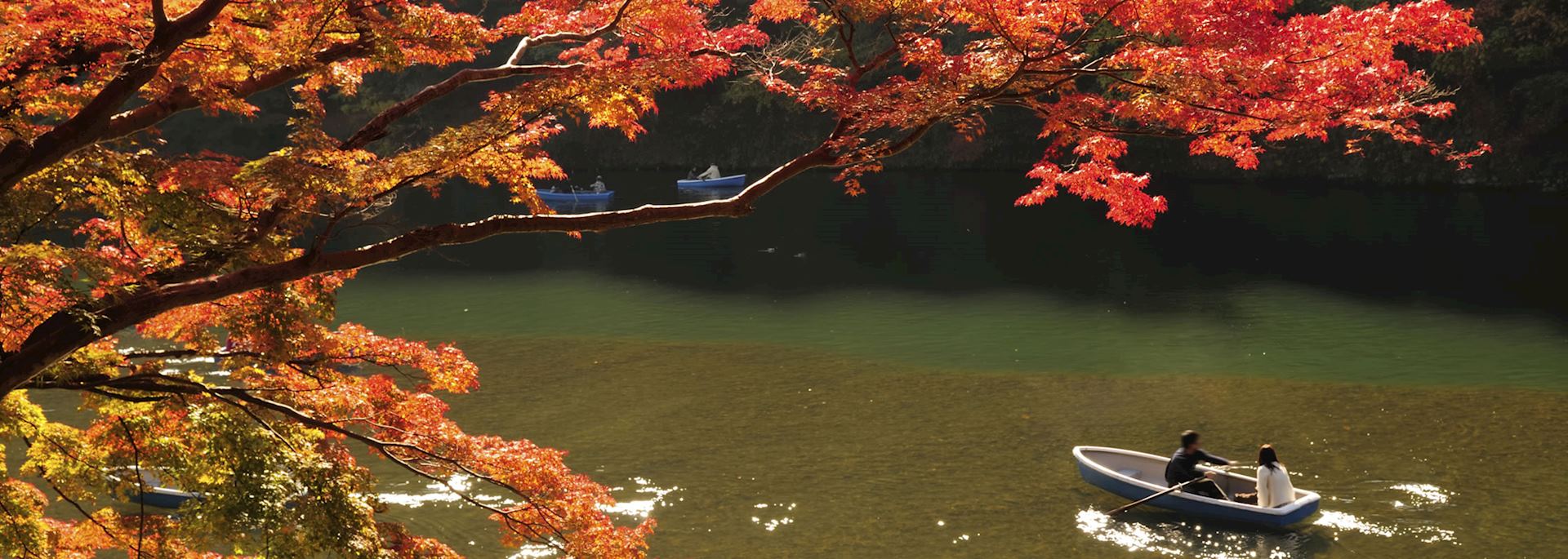
Japan’s fall foliage is stunning. Trees turn vibrant red, orange, and yellow. Parks and gardens look magical. Kyoto and Nara are top spots for viewing. Leaves start changing in October and peak in November. Cool weather makes walking pleasant. Mountains and countryside offer breathtaking views. Capture beautiful photos everywhere.
Autumn is full of traditional festivals. Koyo Matsuri celebrates the beauty of leaves. Jidai Matsuri in Kyoto shows historical parades. Shichi-Go-San honors children growing up. Harvest festivals thank gods for crops. People wear traditional clothes and enjoy dances. Delicious food is everywhere. Festivals bring joy and color to towns.
Winter Wonderland
Japan’s ski resorts are a must-visit in winter. The snow is perfect for skiing and snowboarding. Resorts like Niseko and Hakuba are popular. They offer great slopes and stunning views. Many resorts also have hot springs. Relax in a warm bath after a day on the slopes. The experience is unforgettable.
Japan has amazing winter festivals. The Sapporo Snow Festival is famous. It features huge ice sculptures. There are also light displays and food stalls. Another great festival is the Otaru Snow Light Path Festival. Here, the town is lit up with candles. Both festivals are magical and fun.
Regional Differences
Japan’s regional climates vary significantly. Spring in Tokyo offers cherry blossoms, while winter in Hokkaido promises snow festivals. Plan your trip based on local weather and events.
Hokkaido’s Seasons
Hokkaido is famous for its cold winters. Snow blankets the region from December to February. Skiing and snowboarding are top activities. Spring in Hokkaido starts in April. Cherry blossoms bloom late compared to Tokyo. Summers are cool and pleasant. Temperatures rarely exceed 25°C. Autumn brings vibrant foliage in October. It’s a great time for hiking and sightseeing.
Okinawa’s Climate
Okinawa enjoys a tropical climate. Summers are hot and humid. Temperatures often reach 30°C or higher. Typhoon season occurs from June to September. Winters are mild and warm. Temperatures stay around 20°C. Beaches are a major attraction year-round. The best time to visit is from March to May. This period sees less rain and comfortable temperatures.
:max_bytes(150000):strip_icc()/sakura-temple-pagoda-japan-VISITJP0218-73f37dad55eb4cb5b02ea4ae0eee714d.jpg)
Travel Tips
January and February offer the best deals on flights to Japan. Late May to June also has lower prices. September to November can be cheaper too. Avoid Cherry Blossom Season and Golden Week for the best deals. Weekdays are often cheaper than weekends.
Bring a light jacket for cooler evenings. Pack comfortable shoes for walking. Don’t forget an umbrella for rainy days. A universal adapter is a must for electronics. Travel-sized toiletries save space in your bag. Cash is widely used, so have some on hand. Sunscreen is essential in summer. A portable charger keeps your phone ready for photos.
Frequently Asked Questions
What Is The Best Month To Visit Japan?
The best month to visit Japan is April. Cherry blossoms are in full bloom, creating breathtaking scenery.
What Is The Weather Like In Japan In 2025?
The weather in Japan in 2025 is unpredictable. Expect four seasons: cold winters, warm springs, hot summers, and mild autumns.
What Month Is Cherry Blossom In Japan In 2025?
Cherry blossoms in Japan typically bloom in April. In 2025, you can expect to see them in April. Enjoy the beautiful sakura season!
What Month Is Japan Most Expensive?
December is the most expensive month to visit Japan. High travel demand during the holiday season drives up prices.
Conclusion
Planning your trip to Japan in 2025 can be rewarding. Choose spring for cherry blossoms or autumn for vibrant foliage. Summer offers festivals, while winter promises snow adventures. Consider your interests and weather preferences. Enjoy the rich culture, delicious cuisine, and stunning landscapes that Japan offers year-round.
Safe travels!
