
Mount Aso is an active volcano in Japan, known for its impressive caldera and frequent eruptions. Located in Kumamoto Prefecture, Mount Aso is one of the largest volcanic calderas in the world, with a circumference of about 120 kilometers.
Visitors can access the Aso Volcano Museum to learn more about the geological significance of the area and the history of volcanic activity. Hiking trails offer stunning views of the surrounding landscape, while the nearby hot springs provide a relaxing retreat after a day of exploration.
Whether you’re a nature enthusiast or a thrill-seeker, Mount Aso offers a unique and unforgettable experience in the heart of Kyushu.
Mount Aso’s Volcanic Fury
Mount Aso, located in Japan, is renowned for its volcanic activity. The awe-inspiring natural phenomenon has captivated visitors for centuries, offering a glimpse into the sheer power of nature.
The Power Of Nature
Mount Aso’s volcanic fury is a testament to the unstoppable force of nature. The sight of billowing smoke and spewing lava serves as a stark reminder of the earth’s raw power.
Historical Eruptions
Throughout history, Mount Aso has experienced several significant eruptions, each leaving its mark on the surrounding landscape. The historical eruptions have shaped the region’s terrain, creating a unique and dynamic environment.
Geological Wonders
Mount Aso, in Japan, is a geological wonder with fascinating formations and volcanic features.
Formation Of Mount Aso
The caldera of Mount Aso was formed by four major explosive eruptions.
Magma chamber collapses created the vast crater of Mount Aso.
Volcanic Features
- Mount Aso is one of the largest active volcanoes in the world.
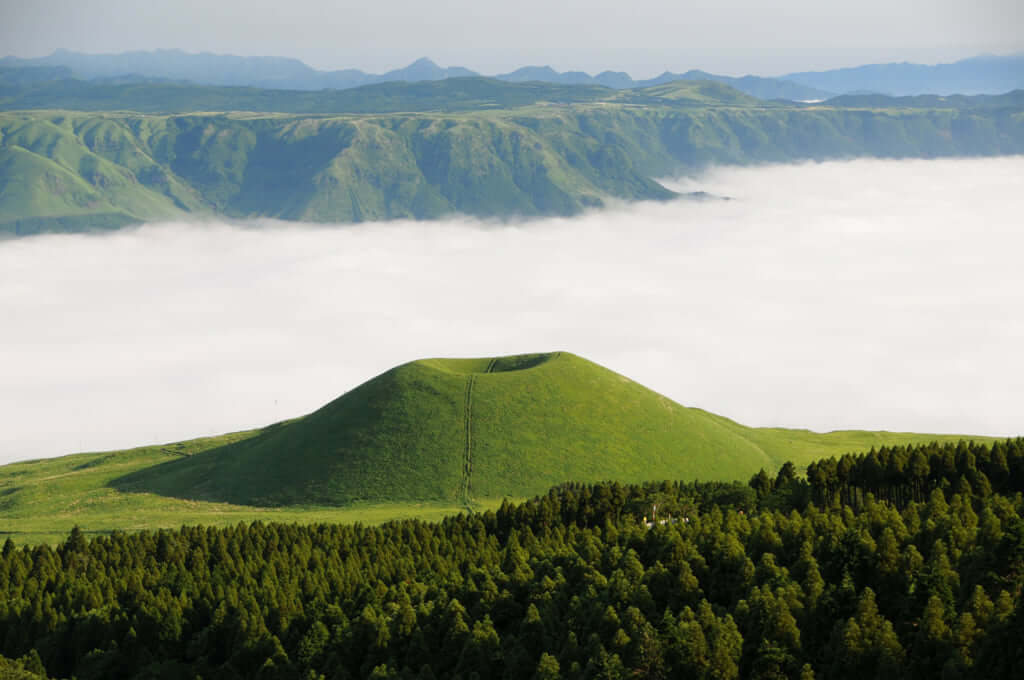
- Its five central cones are surrounded by a stunning landscape.
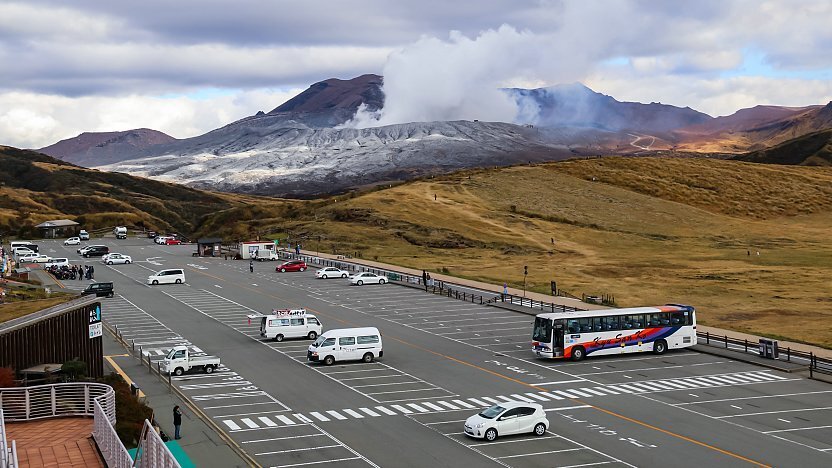
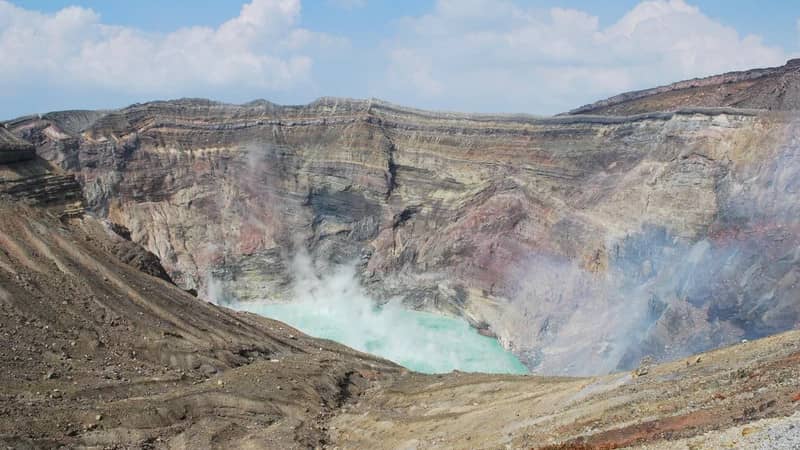
- The active Nakadake crater emits smoke and occasional eruptions.
Eruption Mechanics
Understanding the eruption mechanics of Mount Aso is crucial in comprehending the volatile nature of this active volcano. The processes that lead to eruptions are complex and fascinating, involving the movement of magma and the buildup of immense pressure beneath the earth’s surface.
Magma Movement
As magma, a molten mixture of rock, gas, and crystals, rises from the Earth’s mantle, it seeks pathways of least resistance. This movement can create pressure imbalances within the volcano, eventually leading to an eruption.
Pressure Buildup
The gradual accumulation of magma beneath the surface results in the build-up of immense pressure. This pressure can reach a critical point, causing explosive eruptions that release the pent-up energy in the form of ash, gas, and lava.
Credit: pen-online.com
Pre-eruption Signals
Before a volcanic eruption, Mount Aso exhibits specific warning signs that scientists monitor closely. These signals provide valuable insights into the volcano’s activity and help in predicting potential eruptions.
Seismic Activity
Mount Aso experiences increased seismic activity before an eruption. This includes small tremors and earthquakes that indicate movement beneath the surface.
Gas Emissions
Another crucial pre-eruption signal at Mount Aso is the release of gases such as sulfur dioxide. Monitoring these emissions helps in assessing the volcano’s activity levels.
Immediate Response
With its immediate response, Mount Aso is equipped to handle any volcanic activity swiftly and efficiently. The quick reaction time ensures the safety of both locals and visitors to the area.
Evacuation Protocols
Mount Aso, one of the largest active volcanoes in Japan, has a comprehensive evacuation protocol in place in case of any emergency. The protocol is well-organized and efficient, ensuring the safety of residents and tourists alike. The evacuation procedures are regularly updated and communicated to the residents and visitors through various channels.Emergency Services
The emergency services in the Mount Aso region are top-notch and well-equipped to handle any situation. The Japan Meteorological Agency closely monitors the volcano, and they have a network of sensors and monitoring stations installed across the region. In case of any volcanic activity, they immediately issue alerts and warnings to the local authorities and the public. The local authorities have a team of well-trained emergency responders who are always on standby to act quickly in case of any emergency. In conclusion, Mount Aso is a beautiful tourist destination, but it is important to remember that it is an active volcano. However, the region has a well-organized and efficient evacuation protocol in place, and the emergency services are top-notch. So, visitors can enjoy the breathtaking views of Mount Aso with peace of mind, knowing that they are safe in case of any emergency.Public Safety Measures
Ensuring the safety of visitors is of utmost importance at Mount Aso. The authorities have implemented a range of public safety measures to protect both locals and tourists. These measures include community guidelines, the use of protective equipment, and strict adherence to safety protocols.
Community Guidelines
Visitors to Mount Aso are expected to follow community guidelines to ensure their safety and the preservation of the natural environment. These guidelines include:
- Stay on designated trails and paths
- Respect wildlife and refrain from disturbing their habitats
- Dispose of waste properly in designated bins
- Avoid littering or leaving any trace behind
- Refrain from smoking in non-designated areas
- Observe any warnings or instructions provided by local authorities
By adhering to these community guidelines, visitors can contribute to the overall safety and sustainability of the Mount Aso area.
Protective Equipment
As Mount Aso is an active volcanic region, it is essential to wear appropriate protective equipment to minimize any potential risks. Visitors are required to wear the following protective gear:
- Hard hats to protect against falling rocks or debris
- Dust masks to prevent inhalation of volcanic ash
- Sturdy footwear with good traction for uneven terrains
- Safety goggles to shield the eyes from ash particles
These protective measures ensure that visitors are well-prepared and protected while exploring the magnificent landscapes of Mount Aso.
Impact On The Environment
Mount Aso, located in Kumamoto Prefecture, Japan, has a significant impact on its surrounding environment. The volcanic activity of Mount Aso can affect the air quality, as well as the flora and fauna in the region.
Air Quality
The volcanic eruptions from Mount Aso release sulfur dioxide and other pollutants into the atmosphere, impacting the air quality in the surrounding areas. These emissions can lead to respiratory issues for both humans and wildlife.
Flora And Fauna
The volcanic activity can have both positive and negative effects on the flora and fauna. While the volcanic ash can provide nutrients to the soil, prolonged exposure to ash and sulfur dioxide can be detrimental to the local plant and animal life.
Health Hazards
Respiratory Risks
Mount Aso’s volcanic activity poses significant respiratory risks to visitors and residents in the surrounding areas. The release of sulfur dioxide and other harmful gases can lead to breathing difficulties and exacerbate existing respiratory conditions.
Ashfall Precautions
Exposure to volcanic ash can cause health issues, including irritation to the eyes, nose, and throat. It is essential to take precautions such as wearing masks and goggles to minimize the inhalation of ash particles.
The Role Of Technology
Technology plays a crucial role in monitoring volcanic activity at Mount Aso, providing real-time data for early warnings and evacuation plans. Advanced tools help scientists analyze seismic patterns, gas emissions, and ground deformation to enhance safety measures for residents and visitors.
Mount Aso, located in Kumamoto Prefecture, Japan, is a majestic and active volcano that has captivated visitors for centuries. While its beauty and geological significance are undeniable, the role of technology in monitoring and predicting volcanic activity at Mount Aso is equally remarkable. Advanced monitoring systems and prediction advancements have revolutionized our understanding of this natural wonder, enabling scientists to safeguard nearby communities and enhance our knowledge of volcanic processes.Monitoring Systems
To keep a constant eye on Mount Aso’s volcanic activity, sophisticated monitoring systems have been deployed. These systems consist of a network of seismometers, tilt meters, and gas sensors strategically placed around the volcano. Seismometers detect and analyze ground vibrations, providing valuable insights into volcanic tremors and potential eruptions. Tilt meters measure changes in the volcano’s shape, indicating any significant bulging or deflation that may precede an eruption. Gas sensors monitor the release of gases, such as sulfur dioxide, which can serve as a precursor to volcanic activity. By continuously collecting and analyzing data from these monitoring systems, scientists can identify patterns and anomalies, allowing them to issue timely warnings and evacuation orders to protect nearby communities.Prediction Advancements
Thanks to advancements in technology, predicting volcanic eruptions has become more accurate and reliable. Scientists now utilize a combination of historical data, real-time monitoring, and sophisticated modeling techniques to forecast volcanic activity at Mount Aso. By analyzing patterns from past eruptions, they can identify potential triggers and precursors of volcanic unrest. Real-time monitoring data, such as seismic activity and gas emissions, provide vital information to detect any sudden changes or abnormal behavior in the volcano’s activity. This data is then fed into complex computer models that simulate volcanic processes, helping scientists make predictions about the timing, intensity, and potential hazards associated with future eruptions. These prediction advancements not only ensure the safety of nearby communities but also contribute to the broader understanding of volcanic behavior and the development of early warning systems for other volcanoes around the world. In conclusion, the role of technology in monitoring and predicting volcanic activity at Mount Aso is paramount. Through advanced monitoring systems and prediction advancements, scientists can closely monitor the volcano’s behavior and provide crucial information to protect nearby communities. The continuous improvement of technology in this field not only safeguards lives but also deepens our understanding of volcanic processes, paving the way for more effective mitigation strategies in the face of natural disasters.Crisis Communication
During a crisis at Mount Aso, effective communication is crucial. It’s essential to provide clear and timely updates to the public, addressing concerns and ensuring safety. Open communication helps build trust and keeps people informed during challenging times.
Crisis Communication is crucial in situations where an unforeseen event occurs, such as a natural disaster, and Mount Aso in Japan is no exception. The volcano has been active for over 300,000 years and is the largest active volcano in Japan. As a result, the authorities in charge of managing this area must have a well-coordinated crisis communication plan to disseminate information and minimize the impact of any volcanic activity. In this post, we will discuss the importance of crisis communication, particularly regarding Mount Aso, and the challenges of disseminating accurate information during a crisis.Information Dissemination
During a crisis, timely and accurate information dissemination is critical in ensuring public safety. The local authorities in charge of managing Mount Aso have a responsibility to provide updates on any volcanic activity to the public. This includes information on the current situation, potential risks, and safety measures that people can take. The authorities should use various communication channels, such as social media, radio, TV, and websites, to reach out to as many people as possible.Misinformation Challenges
One of the challenges of crisis communication is dealing with misinformation. During a crisis, there is often a lot of speculation, rumors, and fake news circulating on social media and other platforms. This misinformation can cause panic and confusion among the public and hinder the authorities’ efforts to manage the crisis effectively. To combat this, the authorities must actively monitor social media and other platforms to identify and correct any misinformation. They should also work with credible news sources and experts to provide accurate information to the public. In conclusion, crisis communication is an integral part of managing any crisis, including volcanic activity at Mount Aso. Accurate and timely information dissemination is crucial in ensuring public safety, while dealing with misinformation is a significant challenge that must be addressed. By having a well-coordinated crisis communication plan, the authorities can minimize the impact of any crisis and keep the public safe.Economic Aftermath
The eruption of Mount Aso had significant economic repercussions on the region, affecting various sectors.
Tourism Impact
The tourism industry in the vicinity suffered due to the volcanic activity, leading to a decline in visitor numbers.
Agricultural Losses
Farmers faced substantial agricultural losses, with crops destroyed by the volcanic ash fallout.
Cultural Significance
Mount Aso holds a deep cultural significance in Japan, as it is not only a geological wonder but also an important symbol in local traditions and history. The area surrounding the volcano is rich in cultural heritage, with a range of local traditions and historic sites that are at risk due to the volcanic activities.
Local Traditions
The communities around Mount Aso have preserved a variety of local traditions that are deeply rooted in the region’s history. These traditions include ancient rituals, folk performances, and culinary practices that have been passed down through generations. The volcano is often viewed as a sacred entity, and these traditions reflect the deep spiritual connection that the locals have with the natural environment.
Historic Sites At Risk
Despite its cultural significance, Mount Aso poses a threat to the preservation of historic sites in the area. The frequent volcanic eruptions and seismic activities have put many historic landmarks at risk of damage or destruction. These sites bear witness to the region’s rich history and are invaluable in understanding the cultural evolution of the area.
Global Solidarity
International Aid
Foreign countries provided financial assistance.
Collaborative Research
Scientists worldwide joined forces for studies.
Disaster Preparedness
Disaster preparedness is crucial when considering the potential risks associated with Mount Aso. The area is prone to volcanic eruptions and earthquakes, making it essential for residents and authorities to be proactive in their planning and response strategies.
Lessons Learned
Mount Aso’s history of volcanic activity has provided valuable insights into disaster management. The lessons learned from past eruptions have highlighted the need for effective evacuation plans, communication systems, and infrastructure resilience.
Future Strategies
Implementing advanced monitoring technology and early warning systems is essential for enhancing disaster preparedness around Mount Aso. Additionally, investing in community education and emergency drills can help residents and visitors understand the potential risks and necessary actions in the event of an eruption or seismic activity.
Survivor Stories
Mount Aso, located in Kumamoto Prefecture of Japan, is an active volcano that is known for its beautiful scenery and rich history. However, the mountain has also been the site of many disasters, including a major eruption in 2016 that caused widespread damage and loss of life. Despite these tragedies, the people of the surrounding communities have shown remarkable resilience and strength, with many sharing their personal experiences of survival and recovery.
Personal Experiences
Many individuals who have lived through the disasters at Mount Aso have shared their stories of survival and resilience. One survivor, Naoko Ishikawa, recounted her experience of the 2016 eruption, stating that she was able to escape the danger thanks to the help of her neighbors and the local authorities. Another survivor, Hiroshi Sasaki, described how he and his family were forced to evacuate their home during the disaster, but were able to rebuild and start anew in the aftermath.
Community Resilience
The communities surrounding Mount Aso have also demonstrated incredible resilience in the face of disaster. Following the 2016 eruption, local authorities and residents worked together to provide aid and support to those in need, with many opening their homes and businesses to those who had been displaced. The community also came together to rebuild damaged infrastructure, including roads, bridges, and buildings, ensuring that the area was able to recover as quickly as possible.
Overall, the stories of survival and resilience from Mount Aso serve as a testament to the strength of the human spirit in the face of adversity. Despite the challenges that they have faced, the people of the surrounding communities have shown that they are able to come together and rebuild, no matter how difficult the circumstances may be.
Credit: www.japan-guide.com
Recovery And Rebuilding
Infrastructure Restoration
The restoration of infrastructure plays a crucial role in the recovery process of Mount Aso. Efforts have been made to repair and rebuild damaged roads, bridges, and buildings, ensuring the safe and efficient movement of people and goods within the area. The local authorities have been proactive in addressing the infrastructure needs, aiming to restore normalcy and promote economic activities in the region.
Psychological Support
Supporting the psychological well-being of the affected individuals is equally important during the recovery phase. Recognizing the emotional toll that natural disasters can have, Mount Aso has implemented various measures to provide psychological support to those impacted. Counseling services, support groups, and community initiatives have been established to help individuals cope with trauma, anxiety, and stress caused by the disaster.
Tourism And Recovery
Tourism plays a vital role in the recovery and revitalization of Mount Aso after natural disasters. The region has been working tirelessly to promote safe visits and boost the local economy.
Promoting Safe Visits
Ensuring visitor safety is a top priority for Mount Aso. Measures include regular monitoring of volcanic activity, clear evacuation routes, and informative signage.
Boosting Local Economy
- Local businesses benefit from tourism influx
- Development of sustainable tourism initiatives
- Collaboration with community for economic growth
Credit: www.jrailpass.com
Long-term Monitoring
Long-term monitoring of Mount Aso plays a crucial role in understanding its volcanic activity trends and implementing sustainability initiatives.
Volcanic Activity Trends
Monitoring at Mount Aso helps track changes in volcanic activity patterns.
Sustainability Initiatives
Mount Aso’s monitoring contributes to sustainability efforts for the environment and communities.
Educating The Public
Mount Aso, with its majestic beauty and rich geological history, has captivated visitors from around the world. However, it is not only a destination for sightseeing; it also serves as an opportunity to educate the public about the importance of preserving our natural wonders. Through various awareness campaigns and school programs, Mount Aso aims to instill a sense of responsibility and foster a deeper understanding of the environment.
Awareness Campaigns
Mount Aso’s awareness campaigns play a crucial role in spreading knowledge about the significance of preserving this natural treasure. These campaigns raise awareness about the fragile ecosystem and the potential consequences of human activities on the mountain. By highlighting the importance of sustainable tourism and responsible behavior, Mount Aso aims to minimize the negative impact on the environment. These campaigns utilize various mediums, such as social media, brochures, and informative signs, to reach a wide audience.
School Programs
Mount Aso recognizes the value of educating the younger generation about environmental conservation. Through specially designed school programs, the mountain offers students an immersive and interactive learning experience. These programs include guided tours, hands-on activities, and educational workshops that cover topics such as geology, biodiversity, and the effects of climate change. By engaging students in a fun and informative way, Mount Aso aims to inspire a sense of wonder and responsibility towards nature.
Future Of Mount Aso
Mount Aso is an active volcano located in the Kumamoto Prefecture of Japan. As one of the most active volcanoes in the country, Mount Aso poses a significant threat to the surrounding communities. However, with the right research and community engagement, there is hope for a better future for Mount Aso and its residents.
Research Opportunities
The study of Mount Aso offers numerous research opportunities for scientists and geologists alike. With the constant activity and eruptions, Mount Aso provides a unique opportunity to study volcanoes and their impact on the environment. Researchers can study the eruption patterns and the effects of volcanic ash on the surrounding vegetation and soil. Additionally, studying the geothermal activity of Mount Aso can lead to advancements in renewable energy.
Community Engagement
Community engagement is crucial in ensuring the safety and well-being of those living in the shadow of Mount Aso. Local authorities and experts must work closely with the residents to educate them on the potential dangers and how to prepare for a potential eruption. This includes creating emergency evacuation plans and providing resources for those affected by volcanic activity. It is also important to involve the community in research efforts, as their insights and experiences can provide valuable information for scientists and geologists.
Frequently Asked Questions
How Long Does It Take To Hike Mount Aso?
It typically takes about 2-3 hours to hike Mount Aso, depending on your chosen trail and pace.
Is Mount Aso Worth Going?
Yes, Mount Aso is worth going. It is the largest active volcano in Japan and offers stunning views of the surrounding landscape. However, it is important to check the volcanic activity before visiting and follow safety precautions.
Why Is Mount Aso Famous?
Mount Aso is famous for being an active volcano in Japan. It is renowned for its massive caldera, one of the largest in the world, and its scenic beauty. The volcano attracts visitors who are fascinated by its geological significance and the opportunity to witness volcanic activity up close.
Is Mount Aso Still Active?
Yes, Mount Aso is still active. It is one of the world’s largest active volcanoes.
Conclusion
Mount Aso offers a breathtaking experience for nature enthusiasts and adventure seekers alike. With its majestic volcanic peaks, stunning landscapes, and unique flora and fauna, it is truly a sight to behold. Whether you’re hiking the trails, exploring the nearby hot springs, or simply taking in the panoramic views, Mount Aso promises an unforgettable journey.
So pack your bags, embrace the beauty of this natural wonder, and create memories that will last a lifetime.
