
Japanese octopus street food, known as takoyaki, features small, round balls filled with diced octopus. It’s a popular and delicious snack in Japan.
Takoyaki originated in Osaka and has become a beloved street food across Japan. These delightful treats are made from a batter, typically containing wheat flour, eggs, and dashi broth. Cooks pour the batter into special takoyaki pans with round molds, adding small pieces of octopus, green onions, and pickled ginger.
They skillfully flip the balls to cook them evenly, resulting in a crispy exterior and a soft, savory interior. Takoyaki is often topped with bonito flakes, takoyaki sauce, and mayonnaise. This flavorful snack is a must-try for anyone exploring Japanese cuisine and street food culture.

Introduction To Japanese Octopus Street Food
Japanese octopus street food is very popular. It reflects deep cultural roots. People enjoy it during festivals and gatherings. This food brings communities together. It symbolizes joy and celebration. Takoyaki is a famous dish. It is made of octopus pieces in batter. This dish is often sold at food stalls. It is a beloved snack in Japan.
Octopus has been a part of Japanese cuisine for centuries. It was first introduced in the Edo period. Fishermen used to catch octopus for local markets. Over time, street vendors began selling octopus dishes. These dishes became popular quickly. Takoyaki originated in Osaka in the 1930s. It spread across Japan due to its delicious taste. Today, it is a staple in Japanese street food culture.
Popular Octopus Street Food Dishes
Takoyaki are small, round snacks. They have a crispy outer layer and a soft inside. These snacks are filled with diced octopus, green onions, and pickled ginger. They are cooked on a special pan. After cooking, they are topped with mayonnaise, takoyaki sauce, and bonito flakes. Takoyaki is loved for its unique flavor and texture.
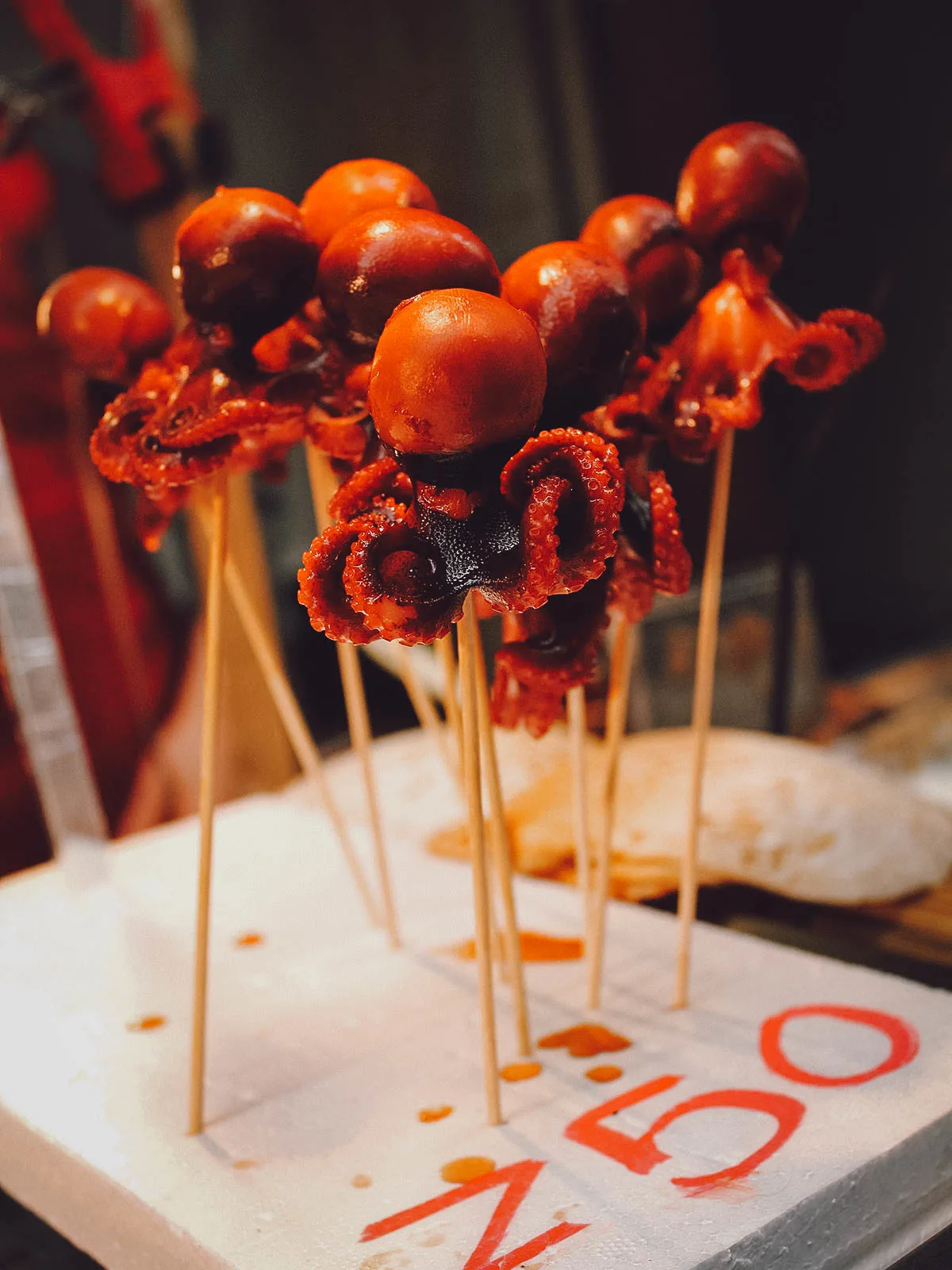
Grilled octopus is a favorite street food in Japan. The octopus is marinated with soy sauce, ginger, and garlic. It is then grilled over an open flame. The result is a smoky and tender dish. Grilled octopus is often served on a skewer. A sprinkle of sea salt enhances the flavor. It’s a simple yet delicious treat.
Ingredients And Preparation
Choose an octopus with firm and shiny skin. It should have a mild ocean smell. The tentacles should be intact and not slimy. Fresh octopus is key for the best flavor. Check the eyes; they should be clear and bright. Avoid octopus with any dull spots or discoloration. Freshness ensures a tender texture when cooked. A good octopus will make your dish delicious.
Japanese octopus street food uses basic yet flavorful seasonings. Soy sauce adds a salty taste. Mirin gives a sweet touch. Grated ginger adds a spicy kick. Sesame oil brings a nutty flavor. Sea salt enhances the natural taste. A sprinkle of chopped green onions adds freshness. These seasonings create a balanced and delicious dish.
Cooking Techniques
Experience the rich flavors of Japanese octopus street food, where tender octopus is skillfully grilled to perfection. Delight in the crispiness and savory taste that defines this beloved culinary tradition.
Grilling Methods
Octopus is often grilled on a hot plate. The tentacles are marinated in a soy sauce mix. This adds a savory flavor to the octopus. Cooks turn the octopus frequently to ensure even cooking. The grilling process makes the tentacles crispy on the outside and tender inside.
Batter Preparation
The batter is a key part of the dish. It is made with flour, water, and eggs. Some cooks add dashi for extra flavor. The batter is mixed until smooth. Small pieces of octopus are dipped into the batter. They are then cooked in a special grill pan. This makes them crispy and delicious.
Regional Variations
Japanese octopus street food showcases intriguing regional variations. Tokyo specializes in takoyaki, while Osaka offers negiyaki, each with unique flavors and textures. Different areas highlight local ingredients, creating distinct culinary experiences.
Osaka Style
Osaka is famous for its street food. Takoyaki is a popular octopus dish here. Small balls filled with diced octopus are cooked on a hot griddle. These balls are crispy on the outside and soft inside. They are usually topped with mayonnaise, takoyaki sauce, and bonito flakes. Locals and tourists enjoy this snack alike.
Hiroshima Style
Hiroshima offers a different take on octopus street food. Okonomiyaki is a savory pancake that includes octopus pieces. The batter is mixed with cabbage, eggs, and flour. It is cooked on a flat grill and then topped with special sauces. The dish is hearty and delicious. Many street vendors sell it hot and fresh.
Street Food Culture
Japanese street markets are lively and colorful. Vendors shout to attract customers. The smell of delicious food fills the air. People gather to enjoy tasty treats. Bright lights and decorations make the market festive. Children run around excitedly. Everyone is happy and having fun. The market is a place for socializing.
Vendors often have amazing stories. Some have sold food for generations. They take pride in their recipes. One vendor might have a secret family sauce. Another might be famous for crispy octopus balls. These stories make the food even more special. Learning about the vendors adds to the experience. Each dish has a unique background.
Health Benefits And Concerns
Octopus is a great source of protein. It helps in building muscles. It is also rich in vitamins and minerals. These include B vitamins, selenium, and iron. These nutrients are important for your body. They help in maintaining good health. Octopus also contains omega-3 fatty acids. These fats are good for the heart. They help in reducing inflammation.
Make sure the octopus is fresh. Check for a fishy smell. It should not have one. Always eat from clean and well-known places. This reduces the risk of food poisoning. Cook the octopus properly. This kills harmful bacteria. Avoid raw octopus if you have a weak stomach. It can cause digestive issues. Wash your hands before and after eating. This helps in avoiding germs.
Experiencing Octopus Street Food
Tokyo is famous for its octopus street food. Tsukiji Market offers the freshest octopus dishes. Osaka has its unique style of octopus balls called Takoyaki. Dotonbori Street in Osaka is a must-visit. Kyoto has great food stalls with grilled octopus.
Carry cash as many stalls don’t accept cards. Learn basic Japanese phrases for a better experience. Try small portions first to see what you like. Ask locals for their favorite stalls. Respect local customs while eating street food.
Frequently Asked Questions
What Is Japanese Octopus Street Food?
Japanese octopus street food usually refers to Takoyaki. It is a popular snack made of wheat flour batter, cooked in a special molded pan, and filled with minced or diced octopus.
How Is Takoyaki Prepared?
Takoyaki is prepared by pouring batter into a special pan, adding octopus pieces, and then flipping the balls until they are golden and crispy.
What Does Takoyaki Taste Like?
Takoyaki has a savory flavor with a slightly crispy exterior. The inside is soft, gooey, and filled with tender octopus.
Where Can You Find Takoyaki In Japan?
Takoyaki can be found at street food stalls, festivals, and specialized Takoyaki shops throughout Japan, especially in Osaka.
Conclusion
Japanese octopus street food offers a unique and delicious experience. The flavors are vibrant and unforgettable. Exploring these dishes can be a delightful adventure for your taste buds. Don’t miss the chance to enjoy this culinary tradition. Savoring octopus treats in Japan is a must-try for any food enthusiast.
