
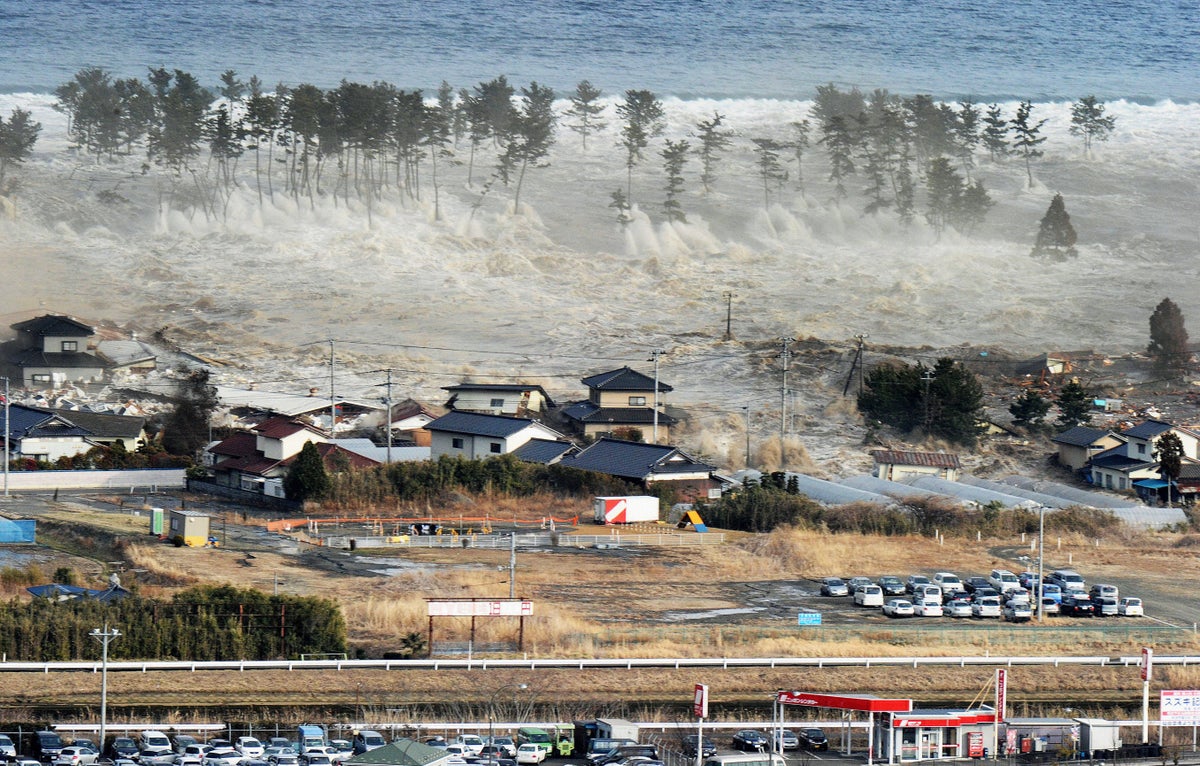
The 2011 Japan tsunami caused massive destruction and loss of life. Many beach locations were heavily affected by the disaster.
The aftermath of the 2011 Japan tsunami left a profound impact on both the environment and communities. Coastal areas, once popular for their scenic beauty, faced extensive damage. Many of these beach locations underwent significant rehabilitation efforts to restore their natural charm.
Local authorities and volunteers worked tirelessly to clean up debris and rebuild infrastructure. Despite the devastation, these areas have shown remarkable resilience. Today, many of these beaches have been revitalized and continue to attract visitors. The disaster served as a stark reminder of nature’s power and the importance of preparedness. Japan’s commitment to recovery and safety has been unwavering, ensuring these locations remain safe and beautiful.
Tsunami Impact On Coastal Areas
Japan’s coastal areas were severely impacted by the tsunami, causing widespread devastation.
Immediate Damage
The immediate damage to coastal regions was catastrophic, with towns and villages swept away.
Buildings, infrastructure, and livelihoods were destroyed in a matter of minutes.
Long-term Effects
The long-term effects on coastal areas include environmental degradation and economic struggles.
Communities continue to rebuild and adapt to the lasting impact of the tsunami.

Humanitarian Response
The Japan tsunami of 2011 was a tragic event. It caused massive destruction. The world quickly responded to help Japan recover. This section covers the humanitarian response to the disaster.
Emergency Relief Efforts
Immediate action was taken after the tsunami hit. The Japanese government led the emergency relief efforts. They focused on saving lives and providing basic needs.
- Rescue operations were launched.
- Temporary shelters were set up.
- Food and water were distributed.
- Medical teams treated the injured.
Volunteers played a crucial role. They helped distribute supplies and comfort the affected.
International Aid
The international community showed strong support. Many countries sent aid to Japan. This aid included financial help, supplies, and rescue teams.
| Country | Type of Aid | Amount |
|---|---|---|
| USA | Financial, Rescue Teams | $100 million |
| UK | Medical Teams, Supplies | $50 million |
| Australia | Food, Water, Financial | $30 million |
Non-governmental organizations (NGOs) also played a key role. They provided additional support and resources.
- Red Cross set up emergency shelters.
- UNICEF provided clean water and food.
- Doctors Without Borders offered medical care.
This global support helped Japan recover faster. It showed the power of unity in times of crisis.
Community Resilience
The Japan Tsunami of 2011 was a devastating event. It left many communities in ruins. But, the strength of the people shone through. The resilience of local communities became evident. They rose from the ashes, stronger than ever. Here, we explore their incredible journey.
Local Heroes
In every crisis, heroes emerge. These local heroes played vital roles. They provided immediate help and support. Many risked their lives to save others. Some heroes were fishermen and shopkeepers. Others were teachers and doctors. They all showed immense bravery.
Their stories inspire and give hope. Their actions brought communities closer. They are true symbols of resilience. Their efforts did not go unnoticed. Many were honored for their bravery. Their legacy lives on in the hearts of many.
Grassroots Initiatives
Grassroots initiatives were crucial in rebuilding. Local groups came together to help. They organized clean-up drives and rebuilt homes. Volunteers worked tirelessly day and night. They provided food, shelter, and medical aid.
These initiatives were often led by ordinary people. They had a strong sense of community. They wanted to restore normalcy and hope. Their efforts showed incredible unity and strength. They proved that together, anything is possible.
| Initiative | Impact |
|---|---|
| Beach Clean-Up Drives | Removed debris and restored beauty |
| Rebuilding Homes | Provided shelter and stability |
| Food Distribution | Ensured no one went hungry |
| Medical Camps | Offered essential health services |
These grassroots efforts were essential. They laid the foundation for recovery. They brought hope to many affected people. The community showed incredible strength and unity. Their resilience is a lesson for all.
Environmental Recovery
The 2011 Japan tsunami left a lasting impact on the environment. Environmental recovery has become a crucial part of rebuilding efforts. This section explores the initiatives aimed at restoring marine life and cleaning up beaches.
Marine Life Restoration
The tsunami disrupted marine ecosystems significantly. Restoration projects focus on rebuilding these habitats. Scientists have introduced artificial reefs to support marine life. These structures provide homes for fish and other sea creatures.
Efforts also include monitoring water quality. Ensuring clean water helps marine species thrive. Local communities participate in these projects. They help by reporting any issues they observe.
Marine biologists conduct regular surveys. They track the progress of marine life recovery. The data collected aids in adjusting restoration strategies.
Beach Clean-up Efforts
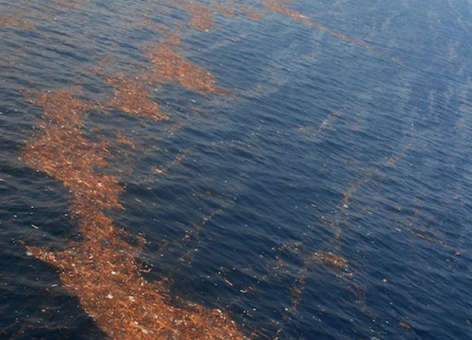
Beaches were littered with debris after the tsunami. Clean-up efforts started immediately. Volunteers played a significant role in this. They gathered waste and hazardous materials.
The government supported these initiatives. They provided tools and resources for clean-up crews. Beach clean-up events are held regularly. These events encourage community involvement.
A table summarizing the key efforts is shown below:
| Effort | Description | Impact |
|---|---|---|
| Artificial Reefs | Structures to support marine habitats | Increased marine biodiversity |
| Water Quality Monitoring | Regular checks of water conditions | Improved health of marine species |
| Volunteer Clean-ups | Community-driven waste collection | Cleaner beaches |
These efforts have shown positive results. Beaches are becoming cleaner. Marine life is slowly returning to normal.
Economic Rebuilding
The 2011 Japan tsunami left significant devastation. The economic rebuilding efforts are ongoing. This section explores the revival of tourism and local businesses.
Tourism Revival
The tourism sector plays a vital role in Japan’s economy. After the tsunami, many beach locations were affected. The government focused on rebuilding these areas. They restored popular beaches and tourist sites. This effort attracted visitors once again.
Many hotels and resorts reopened quickly. They offered special packages to tourists. These packages included guided tours of the rebuilt areas. Tourists appreciated these efforts and returned in large numbers.
Local Businesses
Local businesses were also hit hard by the tsunami. Many shops and restaurants had to close. The government provided financial aid to these businesses. This aid helped them reopen and rebuild.
Small businesses received loans and grants. They used these funds to repair and restock. This support was crucial for their survival. Today, many local shops are thriving again. They offer unique products and experiences to tourists.
- Reopened shops provide local crafts and souvenirs.
- Restaurants offer traditional Japanese cuisine.
- Beachside cafes attract many visitors.
Community support played a key role. Locals supported their neighbors’ businesses. This unity helped the economy recover faster.
Cultural Preservation
The 2011 Japan Tsunami left deep scars on the nation, impacting lives and landscapes. Amidst the devastation, Japan’s rich cultural heritage faced significant challenges. Yet, the resilience of the Japanese spirit shines through their efforts to preserve and restore cultural landmarks and traditions. This section explores the steps taken to safeguard Japan’s cultural legacy post-tsunami.
Heritage Sites
Japan is home to many UNESCO World Heritage Sites. These sites are crucial for cultural preservation. The tsunami damaged some of these irreplaceable landmarks. Yet, determined efforts have been made to restore them.
For example, the Hiraizumi Temples faced severe impacts. Restoration efforts focused on repairing structures and preserving historical artifacts.
| Heritage Site | Damage | Restoration Efforts |
|---|---|---|
| Hiraizumi Temples | Structural damage | Reconstruction and artifact preservation |
| Fukushima’s Historical Villages | Flooding | Community-led restoration projects |
Traditional Practices
Traditional practices form the backbone of Japanese culture. Post-tsunami, many communities took steps to revive and protect these traditions.
One key example is the revival of the Onagawa Fishing Traditions. The tsunami devastated the Onagawa fishing community. Yet, locals worked hard to restore traditional fishing methods and practices.
- Rebuilding traditional boats
- Restoring fish markets
- Passing on fishing techniques to the younger generation
Another example is the preservation of Noh Theatre. The tsunami affected numerous Noh theaters. Restoration projects ensured the survival of this ancient art form.
- Reconstruction of damaged theaters
- Training programs for young performers
- Community performances to boost morale
These efforts showcase Japan’s dedication to preserving its cultural heritage. Despite the challenges, the nation continues to uphold its traditions and historical sites.
Modern Beach Locations
Japan’s coastline has transformed since the 2011 tsunami. Modern beach locations now offer stunning views and safe environments. These beaches attract tourists and locals alike.
Popular Destinations
Japan boasts several popular beach destinations. These beaches are known for their beauty and amenities.
| Beach | Location | Features |
|---|---|---|
| Shirahama Beach | Wakayama | White sand, hot springs |
| Kamakura Beach | Kanagawa | Surfing, historical sites |
| Zushi Beach | Kanagawa | Family-friendly, water sports |
Hidden Gems
Japan also has hidden beach gems. These spots are less crowded but equally beautiful.
- Kabira Bay: Located in Okinawa, this beach has crystal-clear waters. It’s perfect for snorkeling.
- Yurigahama Beach: Found in Kagoshima, this beach has white sand and star-shaped pebbles.
- Jodogahama Beach: Located in Iwate, this beach is known for its unique rock formations.
Both popular and hidden beaches in Japan offer unique experiences. Whether you seek adventure or relaxation, Japan’s coastline has something for everyone.
Future Preparedness
Japan has always faced natural disasters. The 2011 tsunami was a wake-up call. Future preparedness is essential for safety. It involves early warning systems and community training.
Early Warning Systems
Japan has advanced early warning systems. These systems alert people quickly. They use sensors to detect earthquakes. Alerts are sent through TV, radio, and smartphones.
Early warning systems save lives. They give people time to evacuate. Japan continues to improve these systems. New technologies help detect tsunamis faster.
| Feature | Description |
|---|---|
| Sensors | Detect seismic activity |
| Alerts | Sent via multiple channels |
| Response Time | Immediate |
Community Training
Community training is crucial. People need to know how to respond. Japan conducts regular drills. Schools and offices participate in these drills.
Training includes evacuation plans. People learn safe routes and shelters. It also covers first aid and emergency kits. Communities work together to ensure everyone’s safety.
- Regular drills
- Evacuation plans
- First aid training
- Emergency kits
Community training builds awareness. It helps people stay calm during disasters. Japan’s focus on training saves lives.
Frequently Asked Questions
What Caused The Japan Tsunami?
The Japan tsunami was caused by a massive undersea earthquake. The earthquake struck off the coast of Japan in 2011. It measured 9. 0 on the Richter scale.
How Did The Tsunami Affect Japan’s Beaches?
The tsunami caused severe damage to Japan’s beaches. Many were eroded or covered in debris. Recovery has been a slow process.
Are Japan’s Beach Locations Safe Now?
Yes, most beach locations in Japan are now safe. Extensive cleanup and restoration efforts have been made. Visitors are welcome.
What Are The Best Beaches In Japan Post-tsunami?
Some top beaches include Okinawa’s Emerald Beach and Kamakura’s Yuigahama Beach. Both have been restored and are popular.
Conclusion
Japan’s coastline remains resilient and beautiful despite the tsunami’s impact. Beach locations offer serene escapes and scenic views. Travelers can explore these stunning spots while respecting local recovery efforts. Visiting these beaches supports local communities and highlights Japan’s enduring spirit.
Plan your trip to experience the natural beauty and cultural richness of Japan’s shores.
