
To get a working visa in Japan without a degree, secure a job offer in a field that values experience over education. Highlight relevant skills and experience to the employer.
Japan offers various visa categories tailored to different professions and skills. While a degree is often required, there are exceptions for highly skilled workers and those with significant experience. The key is to find employers willing to sponsor your visa based on your unique skills.
Sectors like IT, engineering, and language teaching often prioritize expertise and practical knowledge. Networking and building connections can also help you find such opportunities. Researching and understanding the specific requirements for your desired visa category will increase your chances of success.
Navigating Japan’s Visa Requirements
Japan offers several types of work visas. These include the Engineer/Specialist in Humanities/International Services visa and the Skilled Labor visa. Each visa type has specific job categories. It’s important to choose the right one.
Some visas do not require a degree. Experience in your field can qualify you. Skilled Labor visas need proof of expertise. This can be through training or certificates.
Alternative Qualifications
Having professional experience can help you get a working visa in Japan. Many companies value experience over formal education. If you have worked in your field for many years, this can be an advantage. Make sure to gather all proof of your work history. This includes letters from past employers and work certificates. Japan values skills gained through practical work. It is important to show your expertise clearly.
Specialized skills are highly valued in Japan. If you have unique skills, you have a better chance of getting a visa. Skills in technology, engineering, and other technical fields are in demand. Make sure to highlight these skills in your application. Any certifications or awards should be included. Companies in Japan look for people with advanced abilities. Having specialized skills can set you apart from other applicants.
Job Searching Strategies
Networking is key for job search. Attend networking events and career fairs. Connect with professionals in your field. Join online forums and social media groups. Build relationships with people in your industry. Ask for referrals and recommendations. Networking can open many opportunities.
Use online job portals to find jobs. Websites like GaijinPot and Japan Times Jobs are useful. Create a strong profile with all your skills. Apply to multiple jobs to increase your chances. Set up email alerts for new job postings. Always customize your resume for each job. Online portals have many job opportunities.

Language Proficiency
Knowing the Japanese language is very important. Many companies look for employees who can speak Japanese. Basic language skills can help you communicate better. Try to learn common phrases and business terms. This will show your dedication.
Getting a language certification can boost your chances. The Japanese-Language Proficiency Test (JLPT) is a good option. Passing the JLPT N2 or N3 levels is often required. This certification proves your language skills. Other certificates may also be helpful.
Working With Recruitment Agencies
Many agencies help people find jobs in Japan. Some agencies specialize in helping those without a degree. Look for agencies online. Check reviews and ratings. Choose agencies with good reputations. Contact multiple agencies. Compare their services and fees. Ask about their success rates.
Interviews are important for getting a job. Practice common interview questions. Be ready to talk about your skills. Highlight any work experience you have. Dress professionally for interviews. Arrive on time. Be polite and confident. Follow up with a thank-you email after the interview.
Building A Strong Application
Your resume must be clear and concise. Highlight your skills and work experience. Showcase any relevant certifications. Employers want to see practical experience. This can make up for the lack of a degree. Use bullet points to list your job roles. Keep descriptions short and to the point.
Your cover letter must be personal and specific. Address the hiring manager by name if possible. Explain why you want to work in Japan. Highlight your work experience and skills. Mention any relevant projects you have worked on. Express enthusiasm for the job. Keep it professional and to the point.
Securing A Job Offer
First, research the company. This helps in understanding what they offer. Always discuss the salary first. Make sure it meets your needs. Ask about working hours. Some jobs may have long hours. Don’t forget to talk about benefits. These include health insurance and bonuses. Vacation days are also important. Make sure to ask about them. If needed, negotiate relocation assistance. This is crucial if you are moving from another country. Always get everything in writing. This helps avoid misunderstandings later.
Read the contract carefully. Look for key terms like salary and job role. Make sure you understand each term. Ask questions if anything is unclear. Check the duration of the contract. Know when it starts and ends. Look for any probation period. This is a trial time before the job becomes permanent. Notice periods are also important. This is the time required to leave the job. Finally, ensure there is a signature line. Both you and the employer need to sign.

Visa Application Process
Passport is needed. Visa application form is required. Recent photo must be provided. Job offer letter should be included. Certificate of Eligibility is important. Proof of financial stability is necessary. Health check-up report might be asked. Educational certificates are not mandatory.
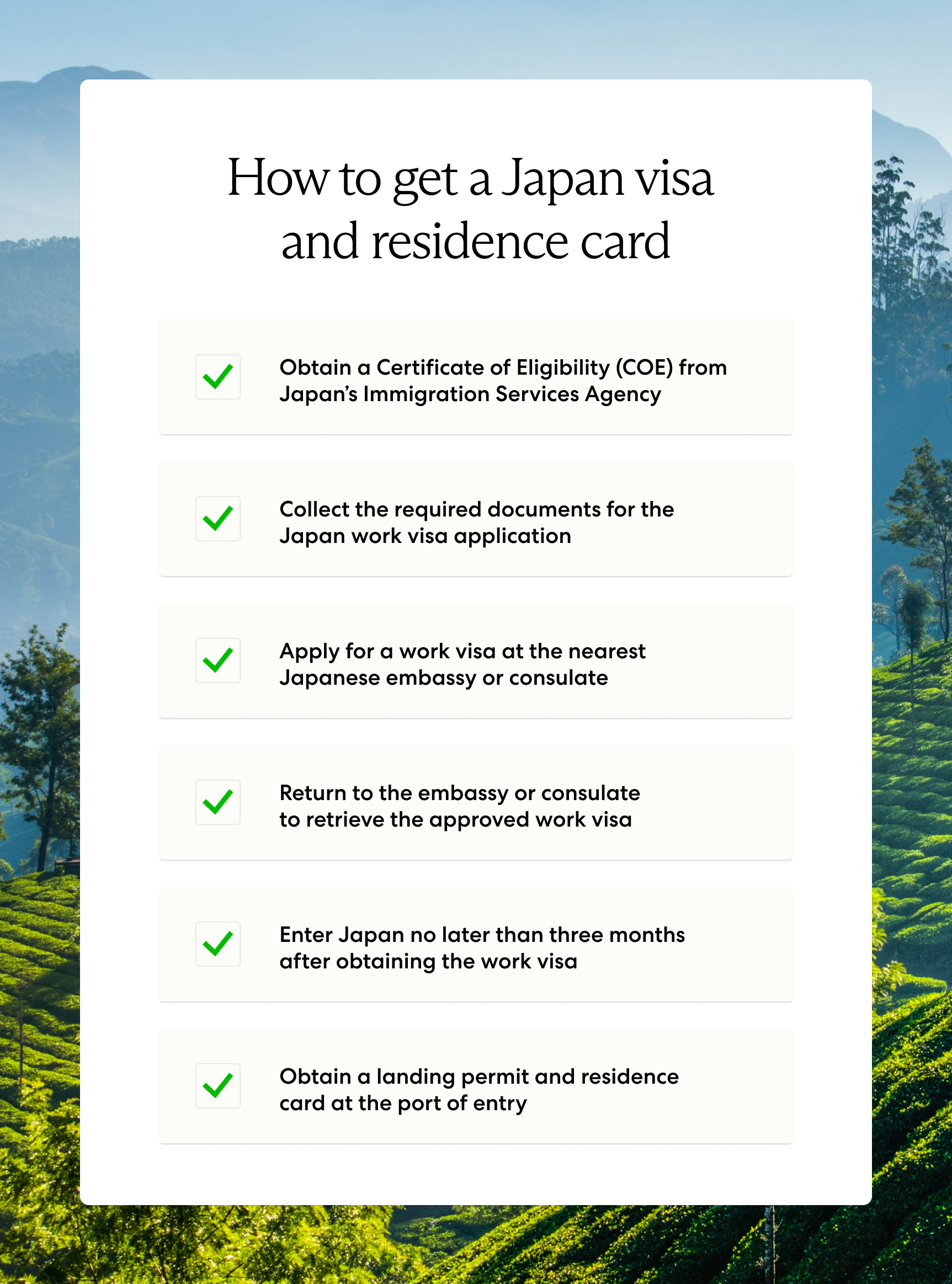
Visit the Japanese embassy. Submit all required documents. Fill out the visa application form. Pay the visa fee. Wait for the processing time. Check the status online. Collect the visa once approved. Start planning your move to Japan.
Settling In Japan
Finding a place to stay in Japan can be tough. The best option is to start looking early. Check online listings and join local expat groups. They can offer good advice. Consider staying in a share house. It is often cheaper and easier to secure. Renting an apartment may need a guarantor. This person ensures you will pay the rent.
Living in Japan means adapting to new customs. Respect is very important in Japanese culture. Always greet people with a bow. Shoes must be removed before entering a home. Learning a few basic Japanese phrases can be helpful. Japanese people appreciate the effort. Public transport is very punctual. Be on time for trains and buses.
Frequently Asked Questions
Can I Get A Japanese Visa Without A Degree?
Yes, you can. Japan offers various visa types, like the Skilled Labor visa, that don’t require a degree.
What Are The Alternatives To A Degree For A Japanese Visa?
Relevant work experience, certifications, or specialized skills can help you qualify for a Japanese working visa.
Do Language Skills Impact Visa Approval In Japan?
Yes, knowing Japanese can enhance your chances but it’s not always mandatory for visa approval.
How Can I Prove My Skills For A Japanese Visa?
You can prove skills with work experience, certifications, or employer endorsements when applying for the visa.
Conclusion
Navigating the process of obtaining a working visa in Japan without a degree is challenging but possible. Focus on specialized skills and experience. Networking and persistence are key. Always stay updated with Japan’s visa policies. With determination, you can achieve your goal of working in Japan.
