
To change a student visa to a working visa in Japan, secure a job offer first. Then, apply for a change of status at the immigration office.
Navigating the transition from a student visa to a working visa in Japan can be challenging but manageable. With Japan’s growing economy and diverse job opportunities, many international students aim to stay and work after graduation. The process involves securing employment and meeting specific requirements set by Japanese immigration authorities.
Having a clear understanding of the steps and necessary documentation can streamline your application. This guide will provide essential information to help you smoothly transition from a student visa to a working visa, ensuring that you can continue your professional journey in Japan without unnecessary hurdles.
Eligibility Criteria
To change a student visa to a working visa in Japan, you need a job offer first. The job must match your educational background. You must have no criminal record. Your current visa must be valid. You need a valid passport.
A bachelor’s degree is often required. Some jobs may need specific skills or certifications. Work experience can be an added advantage. Language skills, especially Japanese, are beneficial. Your employer must sponsor your visa application.
Gathering Required Documents
Get your passport and resident card. These are very important. Make sure they are valid and up-to-date. You also need a passport-sized photo. It should be clear and recent. Keep extra copies just in case.
Collect your degree certificates and transcripts. They should be in English or Japanese. If not, get them translated. The translation must be certified. Also, gather any diplomas or special training certificates you have. These will help prove your qualifications.
Secure an employment offer from a company in Japan. The offer should be official and signed. It must include your job title and salary. You may also need a letter of recommendation. This will show your employer’s support for your visa change.
Application Process
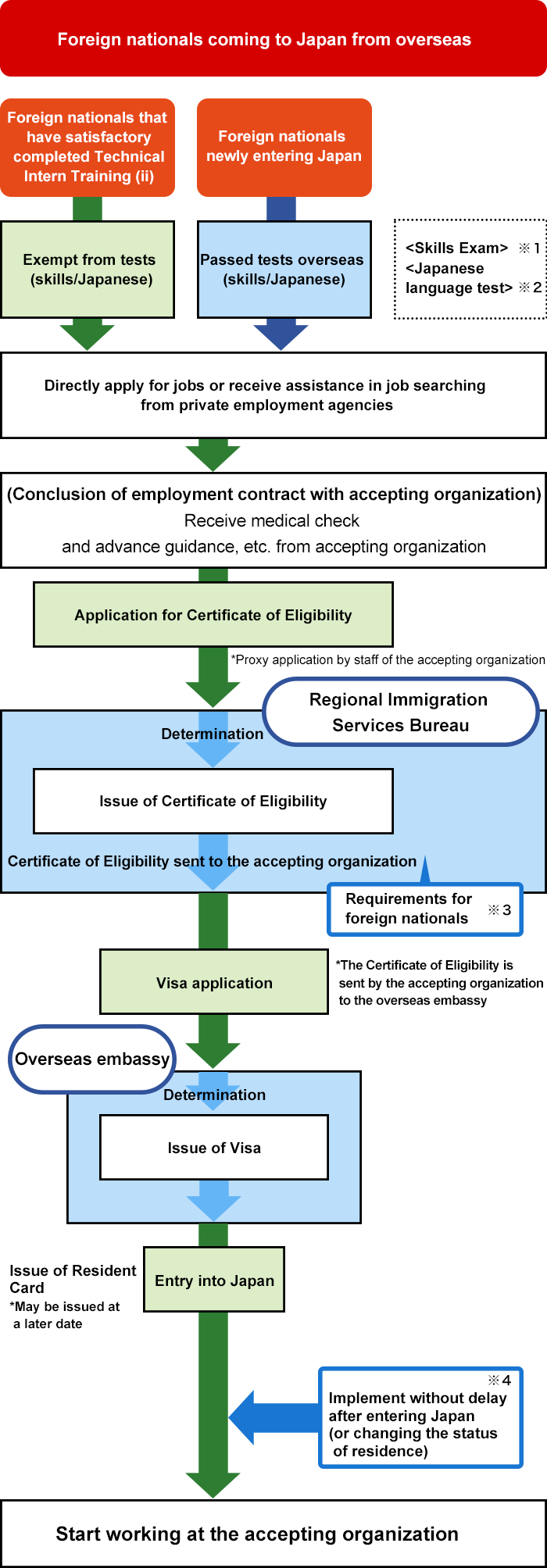
First, gather all the necessary documents. These include your passport, current visa, and a job offer letter. Make sure your job offer is from a company in Japan. The job must match your field of study. You will need proof of your academic qualifications. Ensure all documents are in order before proceeding.
Submit your documents to the Immigration Bureau. They will review your application. Double-check all forms are filled correctly. Incomplete applications may get rejected. You may need to visit the Bureau in person. Bring all original documents and copies. The review process can take a few weeks.
There is a fee for changing your visa status. The fee amount varies. Check the latest fee on the Immigration Bureau website. Pay the fee at the time of submission. Keep the receipt as proof of payment.

Interview Preparation
Interviewers often ask about your previous experience and educational background. They might want to know why you want to work in Japan. Be ready to explain your career goals. Questions about language skills are common. Practice answering basic questions in Japanese.
Make sure to bring your resume and cover letter. You will need your student visa and passport. Have your degree certificate and transcripts ready. Bring letters of recommendation if you have them. Prepare copies of any work permits or certificates you own.
Dress in formal attire to make a good impression. Arrive 10 minutes early to show punctuality. Maintain eye contact and smile during the interview. Practice your Japanese language skills. Show enthusiasm for the job and company. Follow up with a thank you email.
Post-approval Steps
Collect your new visa from the immigration office. Make sure all details are correct. Your visa is now valid for work.
Visit your local city hall. Register your new visa status. Update your residence card. This step is crucial.
Inform your employer about your new visa. They may need to update their records. This ensures your employment is legal.
Common Challenges
Navigating the transition from a student visa to a working visa in Japan presents several hurdles. Common challenges include securing a job offer, meeting visa requirements, and completing the necessary paperwork.
Document Rejections
Document rejections happen often. Missing or wrong papers can cause big problems. Always check the required documents carefully. Double-check every detail before submitting. Small mistakes can lead to rejections. Ensure all papers are translated into Japanese if needed.
Interview Difficulties
Interviews can be tough. Language barriers are a common issue. Practice speaking Japanese as much as possible. Confidence and clear communication are key. Be prepared for questions about your job role and qualifications. Knowing about the company helps too.
Visa Delays
Visa delays are frustrating. Applications take time to process. Unexpected delays can occur. Planning ahead is crucial. Always apply well in advance. Keep track of your application status. Contact authorities if there are long delays.
Additional Resources
Explore government websites, legal advisory services, and university career centers for detailed guidance. Consult immigration specialists for personalized assistance on the process.
Helpful Websites
The Japan Immigration Bureau website provides official guidelines. The Ministry of Foreign Affairs website has a visa section. Visit Go! Go! Nihon for student and work visa tips. GaijinPot offers detailed articles about work visas.
Consultation Services
Immigration lawyers can help with your visa change. Visa consulting firms offer personalized advice. University career centers may have resources to assist. Some local NGOs provide free consultation services.
Support Groups
Many expat communities in Japan can offer valuable advice. Online forums like Reddit have active discussions. Meetup groups for foreigners in Japan offer networking opportunities. Facebook groups dedicated to expats can provide support.
Frequently Asked Questions
How Do I Change My Student Visa To A Working Visa In Japan?
To change your student visa to a working visa, you must first secure a job in Japan. Next, your employer will sponsor your work visa application. Submit the necessary documents to the Immigration Bureau.
What Documents Are Needed For A Visa Change?
You need several documents including a valid passport, a job offer letter, a completed visa application form, and your current residence card. Additional documents may be required based on your specific situation.
How Long Does The Visa Change Process Take?
The process typically takes one to three months. The exact duration can vary depending on your circumstances and the Immigration Bureau’s workload.
Can I Work While My Visa Change Is Pending?
You cannot legally work full-time until your work visa is approved. However, you may continue part-time work under your student visa conditions.
Conclusion
Transitioning from a student visa to a working visa in Japan is achievable with proper guidance. Follow the outlined steps and consult necessary resources. Ensure all documents are in order and meet the requirements. Stay informed about any changes to immigration policies.
This journey can open new career opportunities in Japan.
