
Climbing Mount Karamatsu offers a challenging yet rewarding experience for outdoor enthusiasts. The peak stands at 2,696 meters and is located in the Northern Japan Alps.
Its rugged terrain and stunning views make it a popular destination for hikers and mountaineers. The climb typically takes a full day, with various trails catering to different skill levels. Along the way, trekkers can enjoy diverse flora and fauna unique to the region.
The summit provides breathtaking panoramic views of the surrounding mountains and valleys, making the effort worth it. Whether you’re a seasoned climber or a nature lover seeking adventure, Mount Karamatsu is sure to leave a lasting impression.
Embracing The Challenge Of Mount Karamatsu
Embracing the challenge of climbing Mount Karamatsu can be an exhilarating experience. With its steep slopes and breathtaking views, this mountain presents a unique challenge to even the most seasoned climbers. However, with proper preparation and a determined mindset, reaching the summit can be an unforgettable achievement.
The Lure Of The Mountains
Mountaineering is not for the faint-hearted, and Mount Karamatsu is no exception. Located in the Northern Japanese Alps, Mount Karamatsu is a challenging climb that attracts experienced climbers from all over the world. The breathtaking beauty of the mountain range is a lure that draws climbers to the challenge of summiting Mount Karamatsu.Preparing For The Ascent
Preparation is key when it comes to climbing Mount Karamatsu. Climbers must be physically fit and mentally prepared for the challenging ascent. The climb can take up to two days, depending on the route taken, and climbers must be prepared for changing weather conditions. Warm clothing, sturdy boots, and a well-stocked backpack are essential for the climb.The Ascent
The climb to the summit of Mount Karamatsu is not for the faint-hearted. The ascent is steep, and climbers must use ropes and harnesses to navigate the rocky terrain. The climb can be grueling, and climbers must take frequent breaks to rest and rehydrate. However, the breathtaking views and sense of accomplishment when reaching the summit make the climb well worth the effort.In Conclusion
Climbing Mount Karamatsu is a challenging and rewarding experience. The lure of the mountains draws experienced climbers to the challenge of summiting Mount Karamatsu. With proper preparation and a determined mindset, climbers can embrace the challenge and conquer the majestic mountain.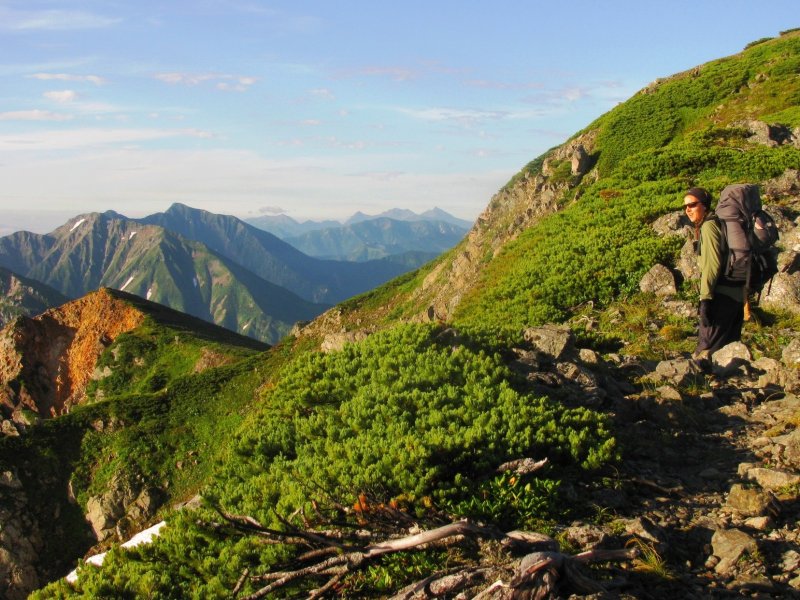
Credit: en.japantravel.com
Mount Karamatsu: A Brief Introduction
Mount Karamatsu, located in the Northern Alps of Japan, is a majestic peak known for its stunning beauty and challenging climbing routes. Standing at 2,696 meters, Mount Karamatsu offers a thrilling adventure for outdoor enthusiasts and experienced climbers. Let’s delve into its geographical significance and climbing history to uncover the allure of this iconic mountain.
Geographical Significance
Mount Karamatsu, part of the Hida Mountain Range, is situated within the Chubu Sangaku National Park. This park is renowned for its diverse ecosystems and rich biodiversity, making it a haven for nature lovers. The mountain’s strategic location provides breathtaking panoramic views of the surrounding landscapes, including the stunning peaks of the Northern Alps and the picturesque Azusa River valley.
Climbing History
Mount Karamatsu has a storied climbing history, attracting adventurers from around the world to conquer its rugged terrain. The first recorded ascent of the mountain was in 1877 by a group of intrepid climbers. Since then, Mount Karamatsu has been a popular destination for seasoned mountaineers seeking a thrilling and rewarding climbing experience amidst the awe-inspiring beauty of the Japanese Alps.
Best Season For The Climb
Mount Karamatsu offers different experiences based on the season you choose to climb. Knowing the best time to embark on this adventure can make all the difference in your journey.
Weather Patterns
- Spring and autumn provide mild temperatures and clear skies.
- Summer brings warmer weather but also the risk of thunderstorms.
- Winter offers a snowy landscape, suitable for experienced climbers.
Crowd Considerations
- Spring and autumn are popular seasons, expect more climbers.
- Summer sees a moderate number of climbers, especially in July and August.
- Winter is less crowded, ideal for those seeking solitude.
Training For The Summit
Training for the Summit of Mount Karamatsu is crucial for a successful climb. It requires both physical fitness and mental preparedness to conquer this challenging peak.
Physical Fitness
- Cardiovascular endurance is key for climbing at high altitudes.
- Strength training helps in navigating steep and rocky terrain.
- Flexibility exercises prevent muscle strains during the ascent.
Mental Preparation
- Visualize reaching the summit to stay motivated during the climb.
- Practice mindfulness to manage stress and focus on the task at hand.
- Develop a positive mindset to overcome challenges along the way.
Essential Gear For The Journey
Prepare for your Mount Karamatsu climb with essential gear like sturdy hiking boots, a reliable backpack, and plenty of water. Don’t forget to pack light, quick-drying clothing and a first aid kit for a safe and successful journey.
Essential Gear for the Journey: If you’re planning to climb Mount Karamatsu, it’s essential to have the right gear to ensure a safe and successful journey. The right equipment can mean the difference between making it to the summit or having to turn back. Here are some key items you’ll need to bring with you:Climbing Equipment
When it comes to climbing equipment, there are a few essentials you’ll need to bring with you. These include:- Rope
- Carabiners
- Climbing harness
- Climbing helmet
- Climbing shoes
Clothing And Footwear
The right clothing and footwear are crucial for a successful climb. You’ll want to dress in layers, so you can adjust your clothing as needed to stay comfortable in changing weather conditions. Here are some key items to bring:- Insulated jacket
- Waterproof pants and jacket
- Warm hat and gloves
- Sturdy hiking boots
- Wool socks
Navigating Mount Karamatsu’s Trails
Embark on an exhilarating journey climbing Mount Karamatsu’s trails, offering stunning vistas and challenging terrain for outdoor enthusiasts seeking adventure in nature’s embrace. Trek through lush forests and rocky paths to reach the summit and be rewarded with breathtaking panoramic views.
Route Options
When it comes to climbing Mount Karamatsu, there are several route options that you can choose from. Each route offers a unique experience and varying levels of difficulty. Here are three popular routes that hikers often take: 1. The Northern Trail: This trail is known for its stunning views of the surrounding landscapes and is a favorite among experienced hikers. It starts at the base of the mountain and winds its way up through dense forests and rocky terrain. The Northern Trail is challenging but rewarding, offering breathtaking vistas along the way. 2. The Eastern Trail: If you prefer a less strenuous hike, the Eastern Trail is a great choice. This route takes you through lush greenery and offers a more gradual ascent. It is ideal for beginners or those looking for a more relaxed climb. Along the Eastern Trail, you’ll encounter picturesque streams and peaceful meadows. 3. The Western Trail: For those seeking an adventurous and challenging climb, the Western Trail is the way to go. This route involves steep inclines and rocky paths, providing a thrilling experience for experienced climbers. The Western Trail offers panoramic views of the surrounding mountains and valleys, making it a favorite among adrenaline-seekers.Wayfinding Tips
When embarking on your journey to conquer Mount Karamatsu, it’s important to have some wayfinding tips in mind. Here are a few pointers to help you navigate the trails:- Start early: Begin your hike in the morning to allow ample time for rest breaks and to avoid hiking in the dark.
- Study the trail map: Familiarize yourself with the route and landmarks before starting your hike. This will help you stay on track and avoid getting lost.
- Follow the markers: Look out for trail markers, such as colored ribbons or signs, to stay on the designated path.
- Stay hydrated: Carry enough water with you and remember to stay hydrated throughout the hike. Dehydration can lead to fatigue and disorientation.
- Dress appropriately: Wear comfortable and weather-appropriate clothing, including sturdy hiking shoes and layers for changing temperatures.
- Bring a compass or GPS device: Having a compass or GPS device can be useful for navigation, especially in case of unexpected detours or poor weather conditions.
- Hike with a group or a guide: If you’re new to hiking or unfamiliar with the trails, consider joining a group or hiring a guide to ensure a safe and enjoyable experience.
Setting Up Camp
Setting up camp is an essential part of the Mount Karamatsu climbing experience. Choosing the right site and following proper campsite etiquette are crucial for a safe and enjoyable adventure.
Choosing A Site
When choosing a campsite, prioritize level ground and proximity to a water source. Look for a spot with natural windbreaks and consider the accessibility of the site in case of emergencies. Avoid areas prone to flooding or falling debris.
Campsite Etiquette
- Respect the natural surroundings by minimizing impact and leaving no trace of your presence.
- Keep noise levels to a minimum to preserve the peacefulness of the environment.
- Properly dispose of waste and adhere to any specific regulations set by the park or area authorities.
- Be considerate of fellow climbers by maintaining a respectful distance between campsites.
Acclimatization Strategies
Acclimatization is crucial when climbing Mount Karamatsu. The high altitude poses a risk of altitude sickness, which can be mitigated through proper acclimatization strategies. By gradually adjusting to the altitude, climbers can minimize the effects of altitude sickness and enhance their overall climbing experience.
Avoiding Altitude Sickness
Altitude sickness, also known as acute mountain sickness (AMS), can be a serious concern when ascending Mount Karamatsu. To minimize the risk of AMS, it’s essential to:
- Stay hydrated by drinking plenty of water throughout the ascent.
- Avoid overexertion and allow for regular rest breaks to aid in acclimatization.
- Gradually ascend to higher altitudes, allowing the body time to acclimate.
Pacing Your Climb
Proper pacing is crucial for acclimatization when climbing Mount Karamatsu. It’s important to:
- Ascend at a steady, moderate pace to allow the body to adjust to the altitude.
- Plan rest days at designated elevations to aid in acclimatization and minimize the risk of altitude sickness.
- Listen to your body and be mindful of any symptoms of altitude sickness, adjusting your pace accordingly.
The Summit Experience
Embark on the thrilling Summit Experience by conquering Mount Karamatsu. Challenge yourself amidst breathtaking views and unforgettable adventures. Unleash your inner explorer and scale new heights on this exhilarating journey.
Reaching The Top
Reaching the summit of Mount Karamatsu is an exhilarating experience that rewards climbers with breathtaking views and a sense of accomplishment. The final push to the top requires determination, physical endurance, and mental strength. As you ascend, the air becomes thinner, making each step more challenging. However, with proper preparation and the guidance of experienced mountaineers, you can conquer this majestic peak.
Safety At High Altitude
When climbing at high altitudes, safety is of utmost importance. The thin air and extreme weather conditions can pose risks to climbers. It is crucial to be aware of the potential dangers and take necessary precautions to ensure a safe ascent and descent.
Here are some safety measures to consider:
- Acclimatization: Allow your body to adjust to the altitude by taking frequent breaks and gradually ascending. This helps prevent altitude sickness.
- Proper gear: Wear appropriate clothing and footwear to protect yourself from the cold and slippery terrain. Carry essential equipment, such as ropes, helmets, and ice axes, for added safety.
- Stay hydrated: Drink plenty of water to prevent dehydration, which can worsen the effects of high altitude.
- Teamwork: Climbing with a team is not only more enjoyable but also enhances safety. Look out for each other, communicate effectively, and share responsibilities.
- Follow the guide’s instructions: Experienced guides have in-depth knowledge of the mountain and its challenges. Listen to their advice and follow their instructions to ensure a safe climb.
By prioritizing safety and adhering to these guidelines, you can minimize the risks associated with climbing at high altitudes and make your summit experience a memorable and safe one.
Capturing The Moments
Climbing Mount Karamatsu is a momentous achievement for any adventurer. The breathtaking views and challenging terrain make it a thrilling experience worth capturing.
Capturing the Moments: Climbing Mount Karamatsu is a challenging yet rewarding experience that leaves you with unforgettable memories. And what better way to remember those moments than by capturing them through photography and journaling? Here are some tips to help you make the most of your adventure: Photography Tips: 1. Plan ahead: Research the best spots for photography and the best time of day to capture the perfect shot. 2. Bring the right equipment: Make sure to bring a good camera, extra batteries, and memory cards. 3. Use a tripod: A stable base will help you capture sharper images, especially in low light. 4. Experiment with angles: Try shooting from different angles and perspectives to add variety to your photos. 5. Edit your photos: Use editing software to enhance your photos and bring out their full potential. Journaling Your Adventure: 1. Bring a notebook: Bring a small notebook to jot down your thoughts and experiences along the way. 2. Write regularly: Try to write a little bit every day, so you don’t forget any details. 3. Include details: Write about the sights, sounds, and smells you experience, as well as your emotions and thoughts. 4. Be descriptive: Use vivid language to bring your experiences to life. 5. Reflect on your journey: Write about what you learned, how you grew, and what you’ll take away from the experience. By capturing the moments through photography and journaling, you’ll have a lasting record of your incredible journey up Mount Karamatsu.Conservation And Mount Karamatsu
Climbing Mount Karamatsu offers a unique opportunity to experience nature and contribute to conservation efforts. With its breathtaking views and diverse wildlife, the mountain serves as a reminder of the importance of preserving our natural environment. Embark on this adventure and play your part in protecting Mount Karamatsu for future generations.
Respecting The Environment
Climbing Mount Karamatsu entails a commitment to conserving its natural beauty.
Leave No Trace Principles
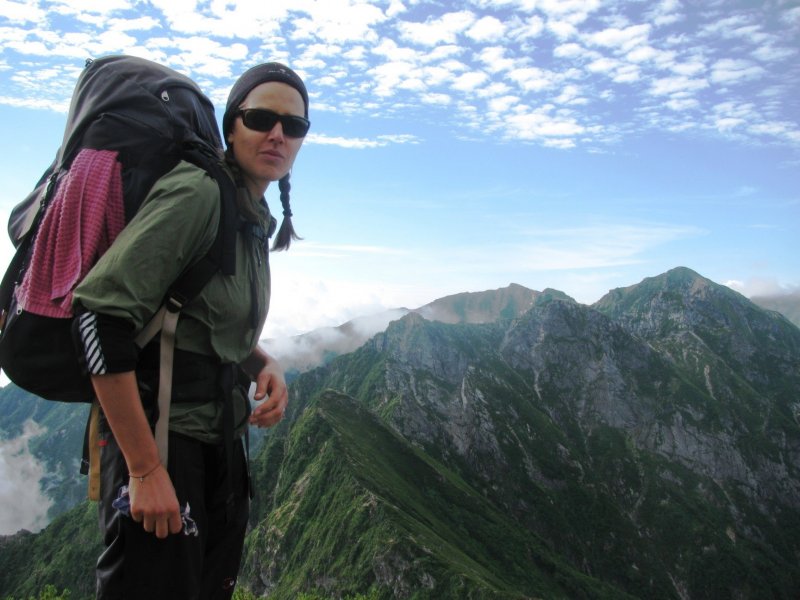
Follow the Leave No Trace principles to preserve the mountain’s ecosystem.
Credit: en.japantravel.com
Local Flora And Fauna
Exploring the local flora and fauna on Mount Karamatsu is a fascinating experience. The mountain is home to a variety of endemic species that thrive in this unique ecosystem.
Endemic Species
Mount Karamatsu is known for its endemic species, such as the Karamatsu Lily and the rare Alpine Snow Finch.
Observation Guidelines
- Observe wildlife from a safe distance.
- Do not disturb or feed the animals.
- Respect the natural habitat and avoid littering.
The Descent
After the exhilarating ascent to the summit of Mount Karamatsu, the descent offers a new set of challenges and rewards. Navigating the downhill terrain and managing fatigue are crucial aspects of the journey back to base camp.
Navigating The Downhill
As you begin the descent from the peak, the terrain transforms into a mix of loose scree, rocky outcrops, and steep slopes. It’s essential to maintain focus and carefully choose your path, taking advantage of natural features like boulders and ridges for stability. Utilizing trekking poles can provide additional support and stability on the uneven terrain.
Managing Fatigue
Descending can be physically demanding, as the body is constantly working against gravity. It’s important to take regular breaks to rest and re-energize. Consume high-energy snacks and stay hydrated to combat fatigue. Prioritize proper foot placement to minimize the impact on joints and muscles, reducing the risk of injury.
Overcoming Obstacles
Conquering Mount Karamatsu presents a thrilling challenge that tests physical and mental endurance. Overcoming steep terrain and unpredictable weather, climbers experience the ultimate triumph against adversity. The journey fosters resilience, determination, and a profound sense of accomplishment.
Overcoming Obstacles: Climbing Mount Karamatsu is a challenge that requires determination, endurance, and preparation. The ascent involves overcoming obstacles that can test one’s physical and mental strength. These obstacles include dealing with weather changes, handling emergencies, and managing fatigue. Dealing with Weather Changes: The weather on Mount Karamatsu can change rapidly, making it essential to be prepared for any conditions. It is crucial to bring appropriate clothing and equipment, such as waterproof jackets, boots, gloves, and hats. It is also important to monitor weather forecasts and adjust plans accordingly. In case of adverse weather conditions, such as heavy rain or strong winds, it might be necessary to pause the ascent or even turn back to ensure safety. Handling Emergencies: In case of an emergency, it is crucial to stay calm and act quickly. It is recommended to carry a first aid kit and a satellite phone for communication in case of an emergency. It is also essential to inform someone about the climbing plan and expected return time. In case of an injury or severe fatigue, it might be necessary to pause or abandon the ascent. In conclusion, climbing Mount Karamatsu involves overcoming obstacles that require preparation, determination, and endurance. Dealing with weather changes, handling emergencies, and managing fatigue are crucial aspects that should not be overlooked. By being prepared and informed, climbers can ensure a safe and rewarding ascent.Post-climb Recovery
After climbing Mount Karamatsu, it’s crucial to prioritize post-climb recovery. Rest, hydration, and proper nutrition are essential for muscle repair and overall well-being. Give your body the care it needs to recover effectively after this challenging adventure.
Physical Care
After conquering the exhilarating challenge of climbing Mount Karamatsu, it is crucial to prioritize your post-climb recovery. Taking care of your body is essential to ensure a smooth transition back to your regular routine. Here are some physical care tips to help you recover effectively: 1. Rest and Relaxation: Give your body the time it needs to recover by taking ample rest. Relaxation techniques such as deep breathing and meditation can also aid in reducing muscle tension and promoting overall relaxation. 2. Hydration: Replenish your body’s fluids by drinking plenty of water. This will help restore hydration levels and flush out toxins accumulated during the climb. 3. Stretching and Massage: Engage in gentle stretching exercises to alleviate muscle soreness and improve flexibility. Consider getting a post-climb massage to promote blood circulation and relieve tension in your muscles. 4. Nutrition: Fuel your body with nutritious meals that include a balance of carbohydrates, proteins, and healthy fats. This will aid in repairing and rebuilding muscle tissue, as well as replenishing energy levels. 5. Hot and Cold Therapy: Alternating between hot and cold treatments, such as hot showers and ice packs, can help reduce inflammation, soothe sore muscles, and alleviate any discomfort.Psychological Aftercare
Apart from physical care, it is equally important to address your psychological well-being after climbing Mount Karamatsu. The mental and emotional impact of the climb should not be overlooked. Here are some psychological aftercare strategies to consider: 1. Reflect and Journal: Take time to reflect on your climbing experience and journal about your thoughts and emotions. This can help process any challenges faced during the climb and provide a sense of closure. 2. Connect with Nature: Spend time in nature, whether it’s going for a gentle hike or simply sitting in a park. Connecting with nature can have a calming effect on the mind and help restore mental balance. 3. Talk to Others: Share your climbing experience with friends, family, or fellow climbers. Discussing your journey can provide a sense of camaraderie and support, as well as allow for the opportunity to learn from others’ experiences. 4. Practice Mindfulness: Engage in mindfulness activities such as meditation or breathing exercises to promote relaxation and reduce stress. Being present in the moment can help alleviate any post-climb anxieties or worries. 5. Set New Goals: Channel your post-climb energy into setting new goals or planning your next adventure. Having something to look forward to can provide a sense of purpose and motivation. Remember, post-climb recovery is just as important as the climb itself. By taking care of your physical and psychological well-being, you can ensure a smooth transition back to your everyday life and continue to cherish the memories and lessons learned from climbing Mount Karamatsu.Mount Karamatsu For Solo Climbers
Mount Karamatsu offers a thrilling adventure for solo climbers, providing an opportunity for self-discovery and personal challenge. As you prepare for your solo climb, it’s important to consider the unique aspects of tackling this majestic peak alone. Here are some essential considerations for solo climbers and ways to connect with fellow climbers along the way.
Solo Climbing Considerations
Before embarking on a solo climb up Mount Karamatsu, there are several important considerations to keep in mind:
- Ensure you have a thorough understanding of the route and terrain.
- Carry all necessary equipment and supplies, including a reliable communication device.
- Stay informed about weather conditions and potential hazards.
- Inform a trusted contact of your climbing plans and expected return date.
- Be prepared for the physical and mental challenges of solo climbing.
Connecting With Fellow Climbers
While solo climbing offers a unique experience, it’s also important to connect with fellow climbers for both safety and camaraderie:
- Join online forums or social media groups to connect with other solo climbers planning to tackle Mount Karamatsu.
- Consider starting your climb around the same time as other solo climbers to have a sense of shared experience.
- Exchange contact information with fellow climbers you encounter during your ascent for mutual support and assistance if needed.
Group Climbing Dynamics
Embarking on the challenging journey of climbing Mount Karamatsu requires a deep understanding of group climbing dynamics. The interaction and cooperation among team members play a crucial role in the success and safety of the expedition.
Teamwork On The Trail
- Supporting each other boosts morale.
- Encouraging words uplift spirits.
- Sharing supplies ensures everyone’s well-being.
Leadership Roles
- Team leader sets the pace and direction.
- Navigator guides the group through the terrain.
- Support team assists in challenging sections.
Cultural Significance Of Mount Karamatsu
Mount Karamatsu holds deep cultural significance in Japanese folklore and traditions.
Local Legends
Legends speak of a mythical creature residing atop Mount Karamatsu.
Climbing Traditions
Local climbers honor ancestors through rituals before ascending.
Extending Your Adventure
Nearby Attractions
When you’ve conquered Mount Karamatsu, there are plenty of nearby attractions to explore. Take a leisurely stroll through the charming village of Otari, known for its traditional architecture and warm hospitality. You can also visit the nearby hot springs to relax and rejuvenate after your climb. For a cultural experience, don’t miss the opportunity to visit the historic Matsumoto Castle, a stunning example of Japanese architecture.
Additional Hiking Trails
If you’re eager for more outdoor adventures, there are additional hiking trails in the area that offer diverse landscapes and breathtaking views. Consider exploring the trails around Mount Myoko, where you can encounter lush forests, serene lakes, and stunning alpine scenery. Another option is to venture to the iconic Tateyama Kurobe Alpine Route, which boasts dramatic cliffs, cascading waterfalls, and panoramic vistas that will leave you in awe.
Sharing Your Story
Embark on a thrilling adventure as you conquer Mount Karamatsu, sharing your remarkable journey with others. From breathtaking views to overcoming challenges, your story will inspire and captivate readers, encouraging them to pursue their own dreams of conquering new heights.
Social Media
Sharing your story of climbing Mount Karamatsu is an incredible experience that deserves to be shared with the world. And what better way to do that than through social media?
By posting about your journey on platforms like Facebook, Instagram, and Twitter, you can inspire others to embark on their own mountain adventures. Share breathtaking photos of the stunning landscapes, capture the thrill of reaching the summit, and express the personal growth and sense of accomplishment you gained from the climb.
Through social media, you can connect with fellow mountaineers, outdoor enthusiasts, and people who are simply looking for inspiration. Your story has the power to motivate others to step out of their comfort zones and take on their own challenges.
Climbing Communities
Engaging with climbing communities is another excellent way to share your Mount Karamatsu story. These communities are filled with individuals who are passionate about climbing and are eager to learn from and support one another.
Joining online forums, such as Reddit’s climbing community or specialized mountaineering forums, allows you to connect with climbers from around the world. Share your experiences, exchange tips and advice, and learn from the wisdom of seasoned climbers. These communities often have dedicated threads or sections where you can post your own climb reports and photos, inviting others to experience the journey vicariously through your words.
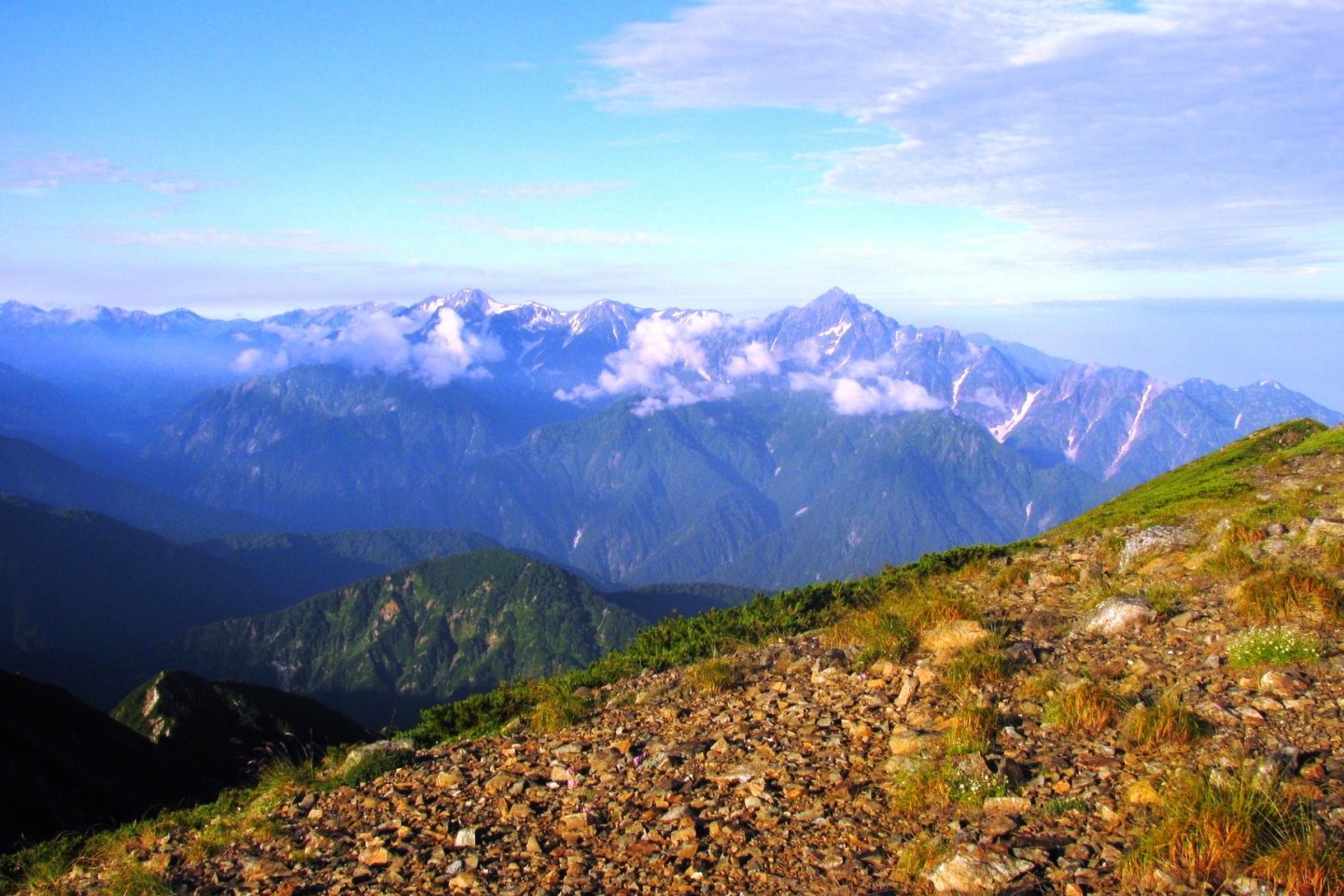
Additionally, consider attending local climbing meetups or joining climbing clubs in your area. These gatherings provide opportunities to meet fellow climbers face-to-face, share stories, and forge lasting connections. By immersing yourself in the climbing community, you can not only inspire others but also gain valuable insights and support from like-minded individuals.
Credit: en.japantravel.com
Frequently Asked Questions
What Is The Hardest Mountain To Climb In Japan?
Mount Fuji is the highest and hardest mountain to climb in Japan, standing at 3,776 meters. It is an active volcano and attracts thousands of climbers every year. Climbing season starts from July to September and requires physical fitness, proper gear, and climbing experience.
How Long Is The Hike Up Mount Sinai?
The hike up Mount Sinai is approximately 7 kilometers long, taking about 2. 5 to 3 hours to reach the summit.
What Are The Best Months To Climb Mount Karamatsu?
The best months to climb Mount Karamatsu are from July to September when the weather is relatively mild and stable, allowing for a safer and more enjoyable climbing experience.
How Difficult Is The Climb To The Summit Of Mount Karamatsu?
The climb to the summit of Mount Karamatsu is considered moderately difficult. It requires a good level of physical fitness and some experience in hiking. However, with proper preparation and the assistance of a guide, most adventurers can successfully reach the summit.
Conclusion
Climbing Mount Karamatsu is a challenging yet rewarding experience. The breathtaking views and sense of accomplishment make it worth the effort. With careful preparation and determination, anyone can conquer this majestic peak. So, lace up your hiking boots and embark on this unforgettable adventure.
