
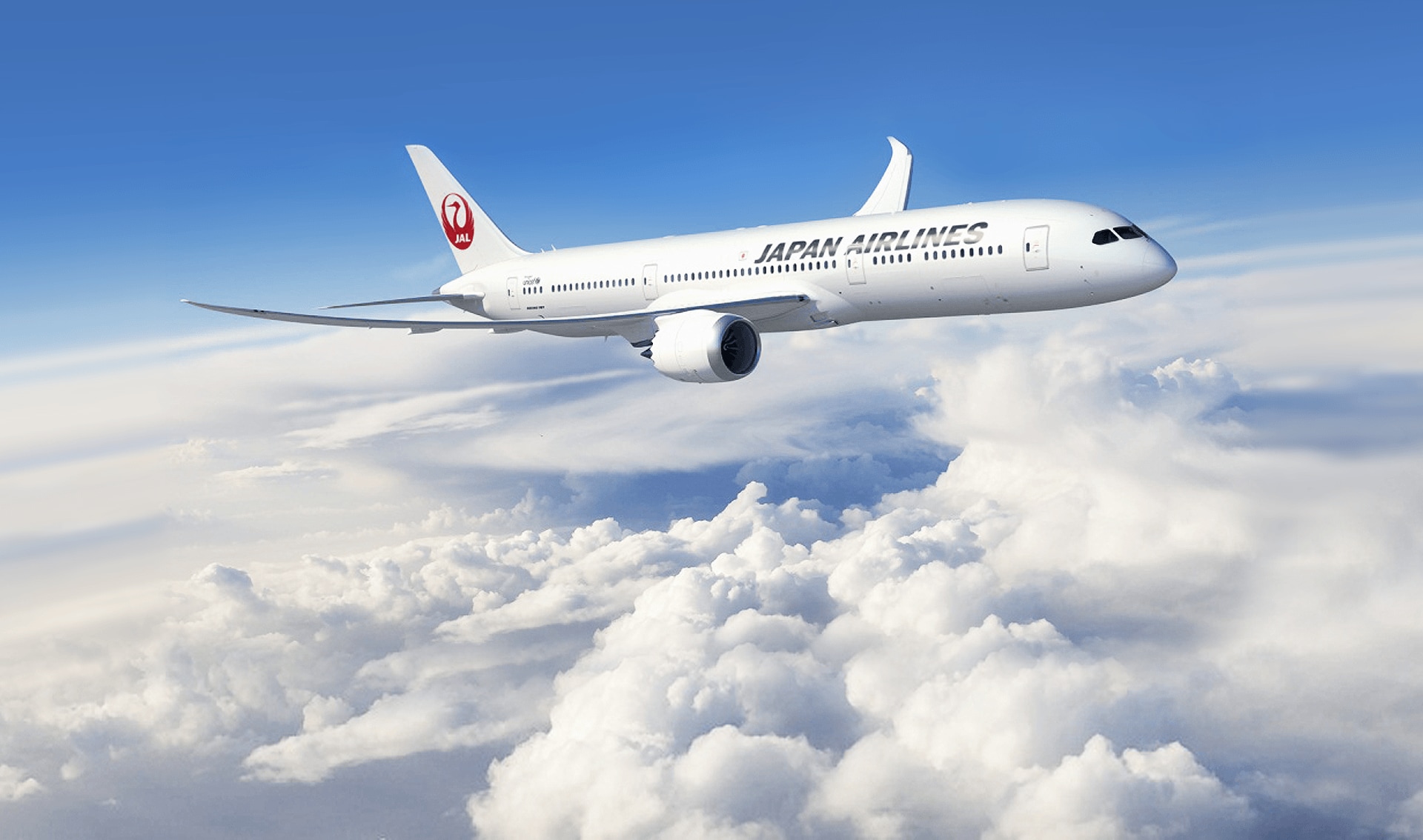
Japan Airlines operates the Boeing 787, known for its fuel efficiency and passenger comfort. The airline uses this aircraft for long-haul international flights.
Japan Airlines’ Boeing 787 Dreamliner offers a cutting-edge flying experience. The aircraft features advanced aerodynamics, lightweight materials, and efficient engines, reducing fuel consumption and emissions. Passengers enjoy a quieter cabin, larger windows, and improved air quality, enhancing comfort on long journeys.
The airline configures the 787 with modern amenities, providing in-flight entertainment, Wi-Fi, and spacious seating. Japan Airlines prioritizes safety, maintaining a rigorous maintenance schedule for its fleet. The Boeing 787’s reliability and efficiency make it a cornerstone of Japan Airlines’ international operations, connecting passengers to destinations worldwide with superior service.
Introduction To Boeing 787
The Boeing 787, also called the Dreamliner, is a long-haul aircraft. It first flew in 2009 and entered service in 2011. Japan Airlines was among the first to use this plane. The 787 was built to be more fuel-efficient and comfortable for passengers. It uses advanced materials, like carbon-fiber composites. This makes the plane lighter and stronger. The development involved many global suppliers and partners. The 787 project aimed to reduce operating costs and improve environmental performance.
The Boeing 787 has many key features. Its wings are designed to be more aerodynamic. This helps the plane save fuel. The cabin has larger windows that dim electronically. Passengers enjoy better air quality and higher humidity levels. The Dreamliner also produces less noise during takeoff and landing. It can fly long distances without needing to refuel. These features make it a favorite for international flights.

Japan Airlines And Boeing 787
Japan Airlines and Boeing have a strong partnership. The airline has trusted Boeing for years. They started working together in the 1960s. The Boeing 787 is a key part of this partnership. This aircraft offers advanced technology and comfort. Japan Airlines chose the 787 for its efficiency. The plane uses less fuel and has a longer range. Passengers enjoy better comfort and quieter flights.
Japan Airlines integrated the Boeing 787 into its fleet smoothly. This plane is now a core part of their operations. The 787 flies on many international routes. It has helped the airline save costs on fuel. The aircraft’s modern design attracts many passengers. Crew members are trained to handle the new technology. Japan Airlines plans to use more 787s in the future. This will help them stay competitive and efficient.
Technological Advancements
The Boeing 787 is known for its remarkable fuel efficiency. It uses less fuel than older planes. This helps airlines save a lot of money. The engines are designed to burn less fuel. The wings are also shaped to reduce drag. The plane can fly longer distances without refueling.
The Boeing 787 is made from advanced materials. These materials are lighter and stronger. Carbon fiber composites are used in its construction. This makes the plane more durable. It also reduces the weight of the plane. The lighter weight helps in saving fuel. This makes the plane more efficient.
Passenger Experience
Japan Airlines offers comfortable seating on the Boeing 787. Seats are designed for long flights. There is ample legroom and adjustable headrests. Passengers receive a pillow and blanket. The cabin has mood lighting to help passengers relax.
Lavatories are modern and kept clean. Flight attendants are friendly and helpful. Meals are served with various options to choose from. Special meals can be requested. Wi-Fi is available on board for internet access.
Each seat has a personal screen for entertainment. Passengers can watch movies, TV shows, and play games. A wide selection of music is also available. There are educational programs for kids.
Noise-cancelling headphones are provided. The system is easy to use with a touch screen. Passengers can also read digital magazines and newspapers. The entertainment system is updated regularly.
Environmental Impact
The Boeing 787 has advanced engines. These engines use less fuel. This means fewer emissions. Cleaner air is the result. Each flight is eco-friendly. Japan Airlines is proud of this.
The Boeing 787 is also quieter. It has special noise-reducing features. These features help make the flight peaceful. Nearby areas benefit from less noise. Everyone enjoys a quieter sky. Japan Airlines cares about the planet. They show it with the Boeing 787.
Economic Benefits
The Boeing 787 helps Japan Airlines save on fuel. This airplane uses less fuel than older models. It can fly farther without stopping. This means fewer stops for refueling. Airlines save on fuel costs and time. The plane needs less maintenance. This reduces repair costs. Newer planes have better technology. They help pilots fly more efficiently. This saves even more money.
Tourism gets a boost with the Boeing 787. More people can fly to Japan. The plane has more seats. Tickets can be cheaper. Tourists love comfort. The 787 offers a smooth ride. It flies quietly and smoothly. This makes the journey pleasant. More tourists mean more money for Japan. Local businesses benefit from more visitors.
Challenges And Solutions
Keeping the Boeing 787 in top shape is hard. Engine parts need frequent checks. Software updates are also common. Mechanics spend hours on inspections. These checks help avoid future problems. Battery issues were once a big concern. Now, new systems help manage this better. Tools and equipment must be specialized. This increases the cost of maintenance.
Safety is key for Japan Airlines. Fire risks in batteries were a past issue. Better designs now reduce this risk. Cabin pressure must be stable. Systems ensure passengers stay comfortable. Turbulence can be a challenge. Pilots get special training to handle it. Emergency exits are tested often. This ensures they work in real situations.
Future Prospects
The Boeing 787 Japan Airlines will soon have new technologies. These will make flights more comfortable. Passengers will enjoy better seats and entertainment options. The plane will also become more fuel-efficient. This means it will use less fuel and be kinder to the environment.
Japan Airlines plans to expand its routes with the Boeing 787. New destinations will be added to give more travel choices. More flights will be available to popular cities. The airline aims to connect more people around the world.
Frequently Asked Questions
What Is The Seat Width Of The Japan Airlines 787?
The seat width of the Japan Airlines 787 is approximately 18. 5 inches in economy class. Business class seats are wider.
Why Did Boeing Stop Making The 787?
Boeing has not stopped making the 787. Production slowed due to quality control issues and supply chain challenges.
Are Japan Airlines Economy Seats Comfortable?
Japan Airlines economy seats are comfortable for long flights. They offer good legroom, adjustable headrests, and personal screens.
What Is The Seating On A Boeing 787?
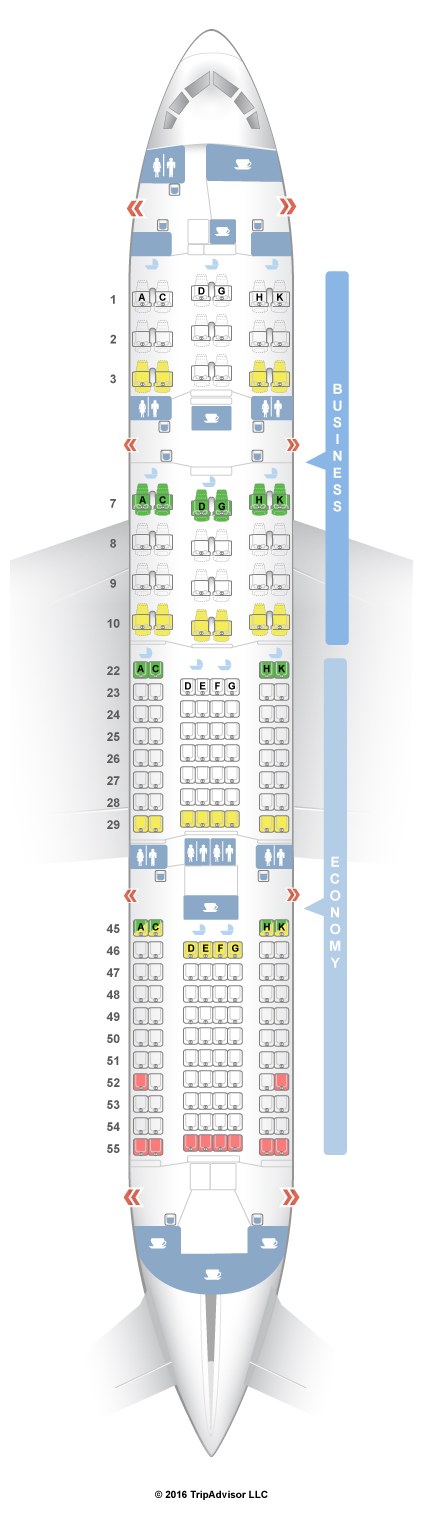
The Boeing 787 typically seats 242 to 335 passengers. Seating configurations vary by airline and model. The layout usually includes economy, premium economy, and business class.
Conclusion
The Boeing 787 with Japan Airlines offers exceptional comfort and efficiency. Its advanced features set new standards in aviation. Passengers enjoy a smoother, quieter flight. This aircraft continues to impress with its innovation and reliability. Fly with Japan Airlines on the Boeing 787 for an unparalleled travel experience.
