
Black sand beaches in Japan are stunning natural wonders primarily found in regions with volcanic activity. These beaches captivate visitors with their unique, dark sands and scenic beauty.
Japan’s black sand beaches are formed from volcanic materials like basalt and lava. The most famous black sand beach is located on the Izu Peninsula, a short trip from Tokyo. Visitors can enjoy the striking contrast between the dark sands and the clear blue ocean.
These beaches offer a unique experience that combines natural beauty with geological intrigue. Activities such as swimming, sunbathing, and photography make them a popular destination. The serene environment and unique landscape provide a refreshing escape from the bustling city life.
Introduction To Black Sand Beaches
Japan’s black sand beaches are a fascinating natural wonder. They offer stunning views and unique geological insights. These beaches are found in coastal regions with volcanic activity. The black sand creates a striking contrast with the blue ocean. Exploring these beaches provides a unique experience for nature lovers.
Origins Of Black Sand
Black sand beaches form due to volcanic activity. Volcanic eruptions produce dark-colored lava. This lava cools and breaks down into tiny particles. These particles mix with other sediments to form black sand. The process can take thousands of years.
| Black Sand Formation | Process |
|---|---|
| Volcanic Eruption | Lava is produced and cools down. |
| Weathering | Lava breaks into tiny particles. |
| Mixing | Particles mix with other sediments. |
Geological Significance
Black sand beaches help scientists study Earth’s geological history. They provide clues about volcanic activity in the region. These beaches also show how landscapes evolve over time. The unique composition of black sand reveals information about local minerals. For visitors, these beaches offer a chance to observe natural geological processes.
- Study of volcanic history
- Insight into landscape evolution
- Observation of natural geological processes
Famous Black Sand Beaches
Japan’s black sand beaches are unique and mesmerizing. They offer stunning views and fascinating geological features. These beaches are perfect for those who love nature and adventure. Below are some of the most famous black sand beaches in Japan.
Ibusuki Beach
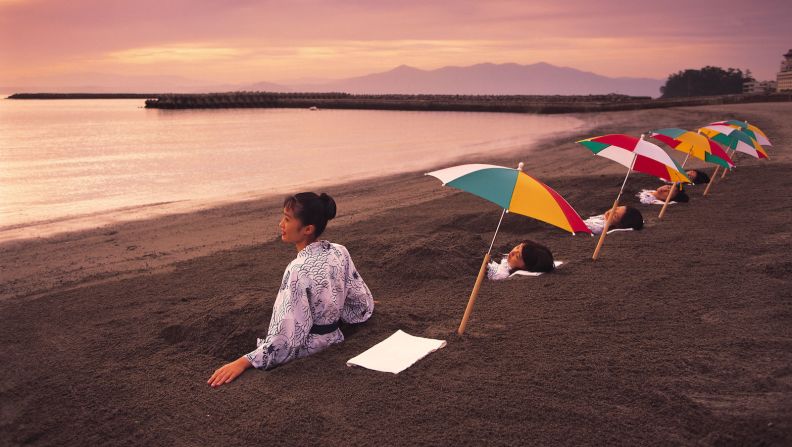
Ibusuki Beach is located in Kagoshima Prefecture. This beach is famous for its unique black sand. The sand is warm due to geothermal activity. Visitors can experience a natural sand bath here. This is a popular activity for relaxation and health benefits.
The beach is also known for its beautiful landscape. You can see the ocean and mountains from the shore. There are many facilities available for tourists. These include changing rooms, restrooms, and food stalls.
Here’s a quick summary of what Ibusuki Beach offers:
- Natural sand baths
- Beautiful landscape
- Tourist facilities
Miho No Matsubara
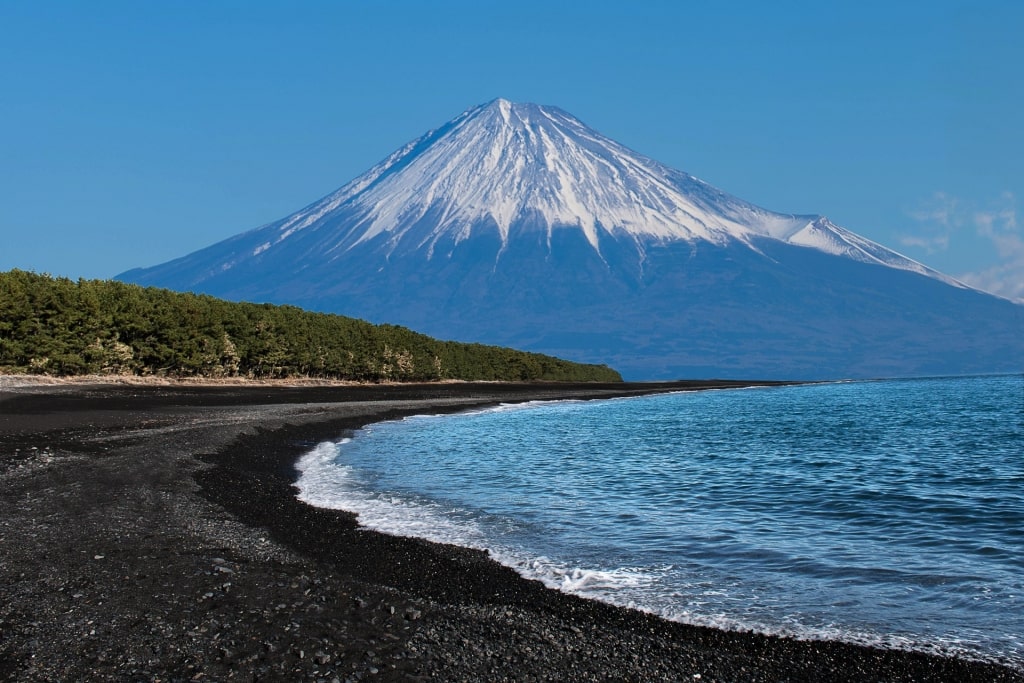
Miho no Matsubara is another famous black sand beach. It is located in Shizuoka Prefecture. This beach is part of the “Three Views of Japan.” The beach is lined with pine trees, creating a picturesque scene.
Miho no Matsubara offers a view of Mount Fuji. This makes it a popular spot for photographers. The beach is also a great place for a peaceful walk.
Key features of Miho no Matsubara include:
- Scenic views
- View of Mount Fuji
- Pine tree-lined shore
Unique Features
Black sand beaches in Japan are a mesmerizing sight. Their unique features set them apart from typical sandy shores. These beaches are the result of natural processes and geological phenomena. Let’s dive into some of the unique aspects that make these beaches special.
Volcanic Activity
Black sand beaches in Japan owe their existence to volcanic activity. The country sits on the Pacific Ring of Fire, which is home to many active volcanoes. When these volcanoes erupt, they release lava that cools and breaks down into tiny fragments. These fragments eventually form the black sand that we see on these beaches.
Here are some key points about volcanic activity and black sand beaches:
- Volcanic eruptions produce lava and ash.
- Lava cools and breaks into small particles.
- These particles form black sand over time.
- Japan’s frequent volcanic activity contributes to the formation of these beaches.
Mineral Composition
The mineral composition of black sand is another fascinating aspect. Unlike regular sand, which is primarily composed of quartz, black sand contains a mix of minerals. These minerals give the sand its dark color and unique texture.
Key minerals found in black sand include:
| Mineral | Description |
|---|---|
| Magnetite | A magnetic mineral that gives black sand its dark color. |
| Hematite | Another iron-rich mineral found in black sand. |
| Ilmenite | A titanium-iron oxide mineral present in black sand. |
| Basalt | A volcanic rock that contributes to the black sand’s formation. |
These minerals not only color the sand but also influence its texture and weight. This unique composition makes black sand beaches a must-see for nature enthusiasts and geologists alike.
Flora And Fauna
The black sand beaches in Japan are a natural wonder. These unique shores host a diverse array of flora and fauna. This section explores the lush coastal vegetation and vibrant marine life that thrive in these areas.
Coastal Vegetation
The coastal vegetation on Japan’s black sand beaches is both unique and lush. The soil’s volcanic origin enriches the ground with minerals. This creates an ideal environment for plant growth.
Common plants include:
- Beach Morning Glory – A vine with heart-shaped leaves and purple flowers.
- Sea Oats – Tall grasses that help prevent erosion.
- Japanese Black Pine – A sturdy tree adapted to sandy soils.
These plants form a natural barrier against strong winds and waves. They also provide shelter and food for various animals.
Marine Life
The marine life around black sand beaches is equally fascinating. The volcanic sand creates a unique underwater habitat.
| Species | Description |
|---|---|
| Sea Turtles | Often seen nesting on these beaches. |
| Crabs | Various species scuttle along the shore. |
| Tropical Fish | Colorful fish swim in the warm waters. |
Snorkelers and divers can explore vibrant coral reefs. These reefs are home to countless marine species.
The black sand beaches of Japan offer an incredible experience. The rich flora and fauna make these shores truly special.
Cultural Significance
The black sand beaches in Japan hold deep cultural significance. These unique landscapes are more than just tourist attractions. They are woven into the fabric of local culture and history. Discover the rich traditions and historical context of these fascinating beaches.
Local Traditions
Local communities hold various traditions around black sand beaches. These traditions often involve festivals and rituals.
- Bon Odori: A dance festival celebrated on the beach.
- Sand Therapy: Locals believe in the healing properties of black sand.
- Shinto Rituals: Ceremonies to honor the gods take place here.
These traditions bring people together and keep cultural heritage alive.
Historical Context
Black sand beaches have historical importance. They have been part of local lore for centuries.
Historically, these beaches served as natural fortresses during conflicts. Their unique terrain made them hard to invade.
| Period | Significance |
|---|---|
| Feudal Era | Natural defense points |
| Modern Era | Tourist attractions and cultural sites |
Understanding the historical context enriches your visit to these beaches. The cultural and historical layers make them more than just scenic spots.
Activities And Attractions
Black sand beaches in Japan offer unique experiences. These beaches are rich in natural beauty. They also provide engaging activities and attractions for all visitors.
Hot Sand Baths
One of the most popular activities is the hot sand baths. These baths are a unique experience found at several black sand beaches. You can enjoy a therapeutic treatment by being buried in warm sand.
The hot sand helps to relax muscles and improve circulation. It’s a natural spa treatment provided by geothermal heat. For many visitors, this is a must-try activity.
Scenic Walks
The black sand beaches also offer beautiful scenic walks. The contrast of the black sand with the blue ocean is breathtaking. These walks provide an opportunity to enjoy the stunning landscape.
You can explore the coastline and discover hidden coves. The sound of the waves and the fresh sea breeze make it a calming experience. There are also several trails with different difficulty levels.
| Trail Name | Difficulty Level | Approximate Time |
|---|---|---|
| Shirahama Beach Trail | Easy | 30 minutes |
| Senganmon Rock Trail | Moderate | 1 hour |
| Jogasaki Coast Trail | Challenging | 2 hours |
- Enjoy the natural beauty of the coastline.
- Discover hidden coves and unique rock formations.
- Take photos of the striking black sand and blue ocean.
Whether you choose a short walk or a longer hike, the scenery will not disappoint. The black sand beaches of Japan offer a unique and memorable experience for all visitors.
Environmental Concerns
Black sand beaches in Japan are truly unique. They offer stunning views and a serene atmosphere. But these beautiful spots face many environmental concerns. Human activities and natural factors threaten their beauty.
Conservation Efforts
Japan has implemented various conservation efforts to protect black sand beaches. These efforts aim to preserve the natural beauty and ecological balance.
- Beach clean-up drives
- Protected marine areas
- Regulations on coastal development
Volunteer groups often organize clean-up drives. These help in removing waste and pollutants. Protected marine areas restrict harmful activities. This helps in preserving the marine life. Strict regulations control coastal development. This prevents habitat destruction.
Impact Of Tourism
Tourism significantly impacts black sand beaches. Tourists bring economic benefits. But they also pose environmental threats.
| Positive Impacts | Negative Impacts |
|---|---|
| Boosts local economy | Increases waste and pollution |
| Creates jobs | Leads to habitat destruction |
| Raises awareness | Causes overcrowding |
Tourism boosts the local economy by creating jobs. It also raises awareness about the importance of conservation. But tourism increases waste and pollution. It leads to habitat destruction and overcrowding.
Responsible tourism is crucial. Tourists should follow guidelines and respect nature. This will help in preserving the black sand beaches for future generations.
Travel Tips
The unique beauty of black sand beaches in Japan attracts many travelers. These stunning locations offer a unique experience. Below are some travel tips to make your visit unforgettable.
Best Time To Visit
The best time to visit black sand beaches in Japan is from April to June. During these months, the weather is pleasant and the beaches are less crowded.
Another good time is September to November. During this period, the weather is cool and the scenery is beautiful.
How To Get There
Reaching Japan’s black sand beaches is easy with public transport. You can take trains, buses, or rent a car.
| Beach | Nearest City | Transport Options |
|---|---|---|
| Shirahama Beach | Shizuoka | Train, Bus |
| Miho no Matsubara | Shizuoka | Train, Bus |
| Yurigahama | Yoron Island | Ferry, Plane |
For the best experience, consider renting a car. This allows you to explore at your own pace. Always check the local transport schedules for convenience.
- Shirahama Beach: Accessible via the JR Tokaido Line. Get off at Shimoda Station, then take a bus.
- Miho no Matsubara: Take a train to Shizuoka Station, then a local bus.
- Yurigahama: Fly to Yoron Island, then take a ferry to the beach.
Each beach offers a unique experience. Plan your trip based on your preferences.
Frequently Asked Questions
What Are Black Sand Beaches In Japan?
Black sand beaches in Japan are unique coastal areas with dark volcanic sand. These beaches are formed by volcanic activity.
Where Can You Find Black Sand Beaches In Japan?
You can find black sand beaches in Japan mainly on the coastlines of Kyushu and Izu Peninsula. These areas are known for their volcanic activity.
Why Is The Sand Black On These Beaches?
The sand is black due to volcanic minerals and lava fragments. These materials are eroded and washed ashore over time.
Are Black Sand Beaches In Japan Safe For Swimming?
Yes, many black sand beaches in Japan are safe for swimming. However, always check local advisories and conditions.
Conclusion
Japan’s black sand beaches offer a unique and breathtaking experience. These stunning landscapes are perfect for adventure and relaxation. From volcanic origins to serene surroundings, they captivate every visitor. Plan your trip to explore these natural wonders. Discover the beauty and mystery of Japan’s black sand beaches today.
