
Mount Asahidake is the highest peak in Hokkaido, Japan, offering stunning views and excellent hiking opportunities. Located in Daisetsuzan National Park, this majestic volcano stands at 2,291 meters tall and is a popular destination for outdoor enthusiasts.
As part of the larger Daisetsuzan volcanic group, Mount Asahidake attracts visitors with its diverse flora and fauna, hot springs, and challenging trails. The surrounding landscapes are characterized by lush forests, alpine meadows, and unique geological features, making it a must-visit for nature lovers and adventure seekers alike.
Whether you’re an experienced hiker or simply looking to admire the beauty of the Japanese wilderness, Mount Asahidake promises an unforgettable experience in the heart of Hokkaido.
Embarking On Mount Asahidake Adventure
Are you ready for an unforgettable adventure? Get ready to embark on a thrilling journey to Mount Asahidake, the highest peak in Hokkaido, Japan. With its breathtaking landscapes and challenging trails, Mount Asahidake offers a unique experience for nature lovers and adventure enthusiasts. In this blog post, we will guide you on how to start your journey right and what to expect along the way.
Starting Your Journey Right
Before you begin your Mount Asahidake adventure, it’s important to be well-prepared. Here are some tips to ensure you start your journey on the right foot:
- Check the weather forecast: Weather conditions can change rapidly on the mountain, so make sure to check the forecast before heading out. Dress accordingly and pack any necessary gear.
- Plan your route: There are several trails to choose from, each offering a different level of difficulty. Research the routes and choose the one that suits your fitness level and experience.
- Get the right equipment: Good hiking boots, a sturdy backpack, and proper clothing are essential for a successful hike. Don’t forget to bring water, snacks, and a map or GPS device.
- Inform someone of your plans: Let a friend or family member know about your hiking plans, including your expected return time. This way, someone will be aware if you encounter any difficulties.
What To Expect
As you ascend Mount Asahidake, be prepared for the following:
- Breathtaking scenery: The panoramic views from the summit are simply awe-inspiring. Be sure to bring a camera to capture the beauty of the surrounding volcanic landscape.
- Challenging terrain: The trails can be steep and rocky, requiring a moderate level of fitness and agility. Take your time and be cautious while navigating the terrain.
- Flora and fauna: Mount Asahidake is home to a diverse range of plant and animal species. Keep an eye out for wildflowers, alpine birds, and maybe even a glimpse of a native fox.
- Changing weather conditions: The weather on the mountain can be unpredictable, with sudden temperature drops and fog. Be prepared for these changes and adjust your plans accordingly.
Remember, safety should always be your top priority during your Mount Asahidake adventure. Stay hydrated, take breaks when needed, and listen to your body. Enjoy the journey and create memories that will last a lifetime!
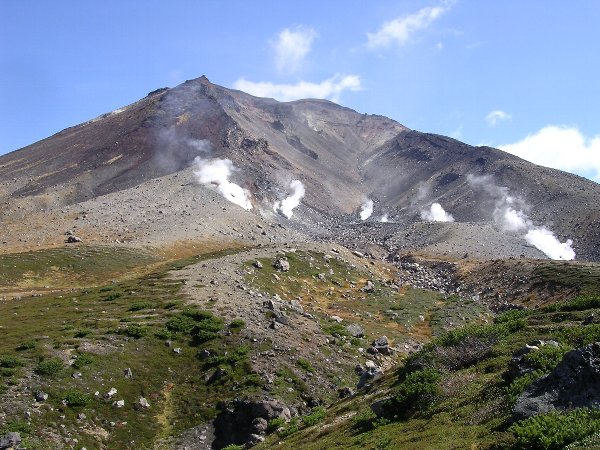
Credit: en.wikipedia.org
Mount Asahidake At A Glance
Mount Asahidake, located in the Daisetsuzan National Park in Hokkaido, Japan, is the highest peak in the park and the tallest mountain in Hokkaido. This active volcano stands at an elevation of 2,291 meters, offering breathtaking views and unique geological features.
Geographical Significance
Mount Asahidake is part of the Daisetsuzan volcanic group and is characterized by its volcanic activity and distinct geological formations, including rugged lava fields and geothermal hot springs. The mountain’s prominence makes it a significant landmark within the national park, attracting hikers, nature enthusiasts, and researchers alike.
Climatic Conditions
The climatic conditions around Mount Asahidake vary throughout the year, with cold, snowy winters and cool summers. The mountain experiences heavy snowfall, creating opportunities for winter sports and snow-based activities. The unique alpine flora and fauna thrive in the mountain’s diverse climate, adding to its ecological significance.
Pre-hike Preparations
Before embarking on your Mount Asahidake hike, it’s crucial to make thorough pre-hike preparations.
Essential Gear Checklist
- Sturdy hiking boots
- Lightweight backpack
- Waterproof clothing layers
- Sun protection (sunglasses, sunscreen)
- Trail map and compass
- First aid kit
Physical Conditioning
Ensure you are physically prepared for the Mount Asahidake hike.
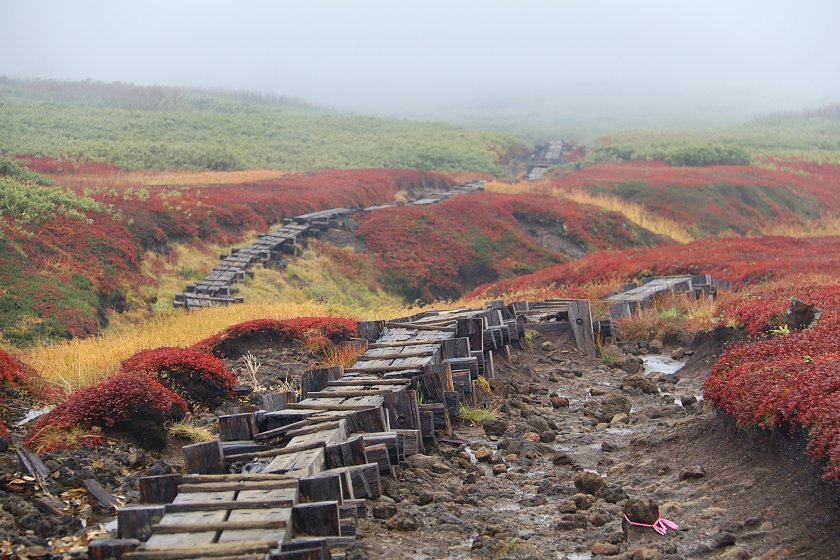
Credit: www.japan-guide.com
Best Times To Visit
Experience the breathtaking beauty of Mount Asahidake throughout the year. Spring brings colorful blossoms, summer offers pleasant hiking weather, autumn showcases vibrant foliage, and winter unveils a stunning snowy landscape. Plan your visit to Mount Asahidake based on the season that appeals to you the most.
Best Times to Visit Mount Asahidake Mount Asahidake, also known as Asahi-dake, is the highest peak of Hokkaido Island in Japan. This volcanic mountain offers breathtaking views of the surrounding landscape and is a popular destination for hikers and nature enthusiasts. When planning a visit to Mount Asahidake, it is important to consider the best times to go to make the most of your trip. Seasonal Advantages The best time to visit Mount Asahidake is during the summer months from June to September. During this time, the weather is warm and the mountain trails are free of snow, making it easier for hikers to explore the area. The summer season also brings a variety of colorful wildflowers that bloom in the meadows surrounding the mountain. In the winter months from December to February, Mount Asahidake is covered in snow and attracts skiers and snowboarders from all over the world. The nearby Asahidake Ski Resort offers a range of slopes suitable for all levels of skiers. Weather Patterns The weather on Mount Asahidake can be unpredictable, so it is important to plan accordingly. During the summer months, the weather is generally mild with temperatures ranging from 10°C to 20°C. However, it is important to note that sudden rain or thunderstorms can occur, so it is recommended to bring rain gear and warm clothing just in case. In the winter months, temperatures can drop to as low as -20°C, so it is essential to come prepared with warm clothing and appropriate gear. The mountain can also experience heavy snowfall, so be sure to check weather reports and road conditions before planning your trip. In conclusion, the best times to visit Mount Asahidake are during the summer months for hiking and wildflower viewing, and in the winter for skiing and snowboarding. It is important to be aware of the weather patterns and plan accordingly to ensure a safe and enjoyable trip.Navigating The Trails
Exploring Mount Asahidake involves navigating various trails that cater to different experience levels.
Trail Descriptions
Mount Asahidake offers a network of trails, each with unique characteristics and stunning views.
Difficulty Levels
Trails on Mount Asahidake range from easy to challenging, suitable for beginners to experienced hikers.
Safety Measures
When it comes to exploring the majestic Mount Asahidake, it is crucial to prioritize safety. This guide will provide you with essential safety measures to ensure a smooth and secure journey.
Navigational Tools
Having the right navigational tools is vital when venturing into the wilderness of Mount Asahidake. Here are some essential tools to help you navigate:
- Map and Compass: Always carry a detailed map and a reliable compass to navigate through the mountain trails.
- GPS Device: Consider using a GPS device to track your location accurately and help you find your way in case of any confusion.
- Mobile Phone: Carry a fully charged mobile phone with a strong signal to stay connected and call for help if needed.
Emergency Protocols
Being prepared for emergencies is crucial when exploring Mount Asahidake. Familiarize yourself with the following emergency protocols:
- Inform Others: Before starting your journey, let someone reliable know about your itinerary and expected time of return.
- Weather Check: Regularly monitor the weather forecast to avoid unexpected storms or extreme conditions that may jeopardize your safety.
- First Aid Kit: Carry a well-equipped first aid kit to handle minor injuries or emergencies until professional help arrives.
- Emergency Shelter: Pack an emergency shelter such as a lightweight tent or bivvy bag to protect yourself from adverse weather conditions.
- Water and Food: Always carry an ample supply of water and high-energy food to sustain yourself in case of unexpected delays.
- Leave No Trace: Respect the environment and follow the principles of Leave No Trace, ensuring you leave nothing behind except footprints.
By adhering to these safety measures and being well-prepared, you can have a memorable and secure experience while exploring Mount Asahidake.
Wildlife And Flora
The Mount Asahidake area is not only known for its stunning landscapes and challenging hiking trails, but also for its diverse wildlife and lush flora. The rich biodiversity of the region offers visitors a unique opportunity to observe a variety of species in their natural habitat, making it a paradise for nature enthusiasts and wildlife lovers alike.
Species To Spot
When exploring Mount Asahidake, keep an eye out for the diverse array of wildlife that call this area home. Visitors may be fortunate enough to spot iconic species such as the Ezo red fox, Hokkaido squirrel, Japanese deer, and the elusive Blakiston’s fish owl. Birdwatchers will also be delighted by the opportunity to observe various avian species, including the majestic Steller’s sea eagle and the alpine accentor.
Conservation Efforts
The conservation of Mount Asahidake’s unique flora and fauna is of utmost importance to preserve the natural balance of this ecologically significant area. Conservation efforts are focused on protecting the habitats of endangered species, implementing sustainable tourism practices, and educating visitors about the importance of responsible eco-tourism. Through collaborative initiatives with local communities and conservation organizations, Mount Asahidake continues to be a haven for wildlife and a shining example of successful conservation efforts in Japan.

Credit: www.tripadvisor.com
The Ascent
Embarking on the ascent of Mount Asahidake is an exhilarating and challenging experience that rewards hikers with breathtaking views of the surrounding landscape. As the highest peak in Hokkaido, this stratovolcano offers a truly unforgettable adventure for outdoor enthusiasts. Let’s explore some essential climbing strategies and rest points to help you make the most of your journey.
Climbing Strategies
When undertaking the ascent of Mount Asahidake, it’s important to plan your climb carefully and be mindful of the terrain and weather conditions. Here are some essential climbing strategies to consider:
- Start early to avoid the midday heat and potential crowds.
- Stay hydrated and pack plenty of water and energy-boosting snacks.
- Wear appropriate clothing and footwear for varying weather conditions.
- Take regular breaks to rest and admire the stunning scenery.
Rest Points
As you ascend Mount Asahidake, there are several designated rest points where you can take a break and recharge before continuing your climb. These rest points provide opportunities to catch your breath and soak in the awe-inspiring surroundings. Some notable rest points include:
- Midway station: A convenient spot to take a break and enjoy a snack.
- Observation decks: Perfect for pausing to take in panoramic views of the volcanic landscape.
- Shelter huts: Ideal for seeking refuge from inclement weather or enjoying a packed lunch.
Summit Rewards
Reaching the summit of Mount Asahidake is an awe-inspiring accomplishment that offers a range of rewarding experiences. From breathtaking panoramic views to a sense of accomplishment, the summit of Mount Asahidake truly delivers on its promises.
Panoramic Views
The panoramic views from the summit of Mount Asahidake are nothing short of spectacular. As you stand at the highest point, you are greeted with an expansive vista that stretches as far as the eye can see. The snow-capped peaks of the Daisetsuzan Mountain Range, the lush green valleys, and the deep blue sky all come together to create a picture-perfect scene that is worthy of admiration. Whether you are a nature enthusiast or simply seeking a moment of tranquility, the panoramic views from Mount Asahidake will leave you in awe.
Sense Of Accomplishment
Reaching the summit of Mount Asahidake is a feat that fills you with a profound sense of accomplishment. The journey to the top is not an easy one, as it requires physical endurance, mental strength, and determination. As you conquer each step, you feel a surge of energy and a growing sense of achievement. Finally standing at the summit, you are rewarded with a feeling of triumph and fulfillment. The sense of accomplishment that comes from conquering Mount Asahidake is unparalleled, making it a truly rewarding experience.
Camping On The Mountain
Camping on Mount Asahidake offers a unique experience in the heart of nature.
Selecting A Campsite
Choosing a campsite on Mount Asahidake is crucial for a safe and enjoyable experience.
Leave No Trace Principles
- Dispose of waste properly
- Minimize campfire impacts
- Respect wildlife
- Be considerate of other visitors
Photography Tips
Capture stunning photographs of Mount Asahidake by using these photography tips. Experiment with different angles and lighting to showcase the magnificent beauty of this iconic mountain. Take advantage of the changing weather conditions to add depth and drama to your shots.
Photography Tips: Capturing the Scenery When it comes to photography, Mount Asahidake is a breathtaking location that offers a wealth of opportunities to capture stunning scenery. The mountain’s natural beauty and unique landscape make it an ideal spot for photographers who want to capture the beauty of the great outdoors. Here are some tips to help you get the most out of your photography experience at Mount Asahidake: Best Times for Photos The best times to take photos at Mount Asahidake are during the early morning or late afternoon. This is when the light is soft and the shadows are long, which creates a more dramatic and interesting effect. Additionally, the weather can change rapidly on the mountain, so it’s important to check the forecast and plan accordingly. Other Tips When taking photos of the mountain, it’s best to use a tripod to keep your camera steady and minimize any camera shake. Additionally, consider using a polarizing filter to reduce glare and enhance the natural colors of the scenery. Finally, don’t be afraid to experiment with different angles and compositions to create unique and interesting shots. In conclusion, Mount Asahidake is a photographer’s dream come true. With its stunning scenery and natural beauty, it offers endless opportunities to capture breathtaking photos. By following these tips, you’ll be able to take your photography skills to the next level and create stunning images that will leave a lasting impression.Hydration And Nutrition
Hydration and nutrition are crucial for hikers exploring Mount Asahidake, providing energy and stamina for the challenging trek. Proper hydration aids in altitude acclimatization and supports overall performance during the ascent. A balanced diet rich in carbohydrates and proteins ensures hikers are well-fueled for the demanding climb.
Water Sources
There are multiple natural springs along the Mount Asahidake trails.
- Carry a refillable water bottle for hydration.
- Avoid drinking water directly from streams.
- Consider using a portable water filter for safety.
Trail Snacks And Meals
It’s crucial to pack nutritious snacks and meals for your hike.
- Choose lightweight, energy-boosting snacks like nuts and dried fruits.
- Pack sandwiches or wraps for a quick and filling meal on the go.
- Include protein bars for sustained energy during your hike.
Challenges On The Trail
Embarking on the trail to Mount Asahidake presents hikers with a series of challenges that demand physical endurance and mental resilience. From the risk of altitude sickness to unpredictable weather hazards, navigating the trail requires careful preparation and a keen awareness of potential obstacles.
Altitude Sickness
Ascending to higher altitudes can lead to altitude sickness, with symptoms such as dizziness, nausea, and fatigue. It is crucial for hikers to acclimatize gradually and stay hydrated to minimize the risk of this condition.
Weather Hazards
The weather on Mount Asahidake can change rapidly, exposing hikers to a range of hazards including sudden temperature drops, strong winds, and limited visibility due to fog or snow. Being equipped with appropriate clothing and monitoring weather forecasts is essential for a safe and successful hike.
Descending The Mountain
Descending from the peak of Mount Asahidake, the highest mountain in Hokkaido, offers breathtaking views of the surrounding landscape. The trail can be challenging, but the stunning scenery makes it worth the effort.
After conquering the majestic Mount Asahidake, it’s time to make your way back down. Descending the mountain requires careful consideration to ensure your safety and minimize any strain on your body, particularly your knees. Here are some tips to help you navigate your way down the slopes with ease:
Knee Preservation
Protecting your knees during the descent is crucial to avoid any unnecessary injuries. The steep and rugged terrain can put stress on your joints, so it’s essential to take the necessary precautions:
- Use trekking poles to provide stability and reduce the impact on your knees.
- Descend slowly and maintain a steady pace to avoid putting excessive pressure on your joints.
- Choose a route that is less steep and has a more gradual descent, if possible.
- Wear proper footwear with good ankle support to provide stability and prevent twisting.
- Take breaks regularly to rest your knees and prevent fatigue.
Pacing Yourself
Descending Mount Asahidake requires proper pacing to ensure you have enough energy and stamina to make it safely back to the base. Here are some tips to help you maintain a steady pace:
- Start the descent slowly to allow your body to adjust to the change in elevation.
- Break the descent into smaller sections and set goals for each section to keep yourself motivated.
- Take short breaks at regular intervals to catch your breath and rest your muscles.
- Stay hydrated and refuel with snacks to maintain your energy levels.
- Listen to your body and adjust your pace accordingly. Don’t push yourself too hard.
Remember, descending Mount Asahidake is just as important as the ascent. By following these tips for knee preservation and pacing yourself, you can ensure a safe and enjoyable journey back down the mountain.
Post-hike Recovery
After conquering the challenging terrain of Mount Asahidake, taking the time for post-hike recovery is crucial to ensure that your body recuperates effectively. Focusing on muscle care and rehydration can help you ease the strain and fatigue from the strenuous hike, allowing you to fully enjoy the experience and prepare for your next adventure.
Muscle Care
Proper muscle care is essential after a demanding hike. Consider implementing the following strategies to aid in your recovery:
- Stretching: Perform gentle stretches to alleviate muscle tension and enhance flexibility.
- Massage: Consider a self-massage or seek professional assistance to alleviate muscle soreness.
- Rest: Allow your muscles to recover by incorporating adequate rest and relaxation into your post-hike routine.
Rehydration
Replenishing your body’s hydration levels is vital after an exhaustive hike. Here are some effective rehydration tips to aid in your recovery:
- Hydrate with Water: Drink plenty of water to replace lost fluids and prevent dehydration.
- Electrolyte Balance: Consume electrolyte-rich beverages or foods to restore essential minerals lost during the hike.
- Coconut Water: Consider incorporating coconut water to replenish electrolytes and hydrate naturally.
Cultural Significance
Mount Asahidake, situated in the heart of Daisetsuzan National Park in Hokkaido, Japan, is not only a natural wonder but also holds immense cultural significance for the local people.
Local Legends
According to local legends, Mount Asahidake is home to the god of the mountain, who watches over the surrounding forests and wildlife. It is believed that the god communicates with the locals through natural phenomena such as eruptions, thunderstorms, and snowfall.
The Ainu, an indigenous people of Japan, also consider Mount Asahidake to be a sacred site and have been visiting the mountain for centuries to worship and pay their respects.
Mount Asahidake In Literature
Mount Asahidake has been a popular subject in Japanese literature for centuries, featuring in numerous poems, novels, and travelogues. The mountain’s rugged beauty and majestic presence have inspired many writers and artists to create works of art that capture its essence.
One of the most famous literary works inspired by Mount Asahidake is “Hokkaido Pictorial” by the renowned Japanese poet, Takuboku Ishikawa. The poem describes the beauty of the mountain and the surrounding landscape, emphasizing the spiritual significance of the place.
Overall, Mount Asahidake’s cultural significance cannot be overstated. The mountain’s natural beauty and spiritual significance have inspired generations of locals, visitors, and artists, making it one of the most iconic sites in Japan.
Nearby Attractions
When visiting Mount Asahidake, take the opportunity to explore the charming attractions in the vicinity. From rejuvenating hot springs to delicious local cuisine, there is something for everyone to enjoy.
Hot Springs
Indulge in the relaxing experience of natural hot springs near Mount Asahidake.
- Unwind in the soothing waters
- Enjoy the tranquil surroundings
- Rejuvenate your mind and body
Local Cuisine
Discover the delectable flavors of the region through the diverse local cuisine options.
- Try the famous Hokkaido ramen
- Savor fresh seafood dishes
- Sample traditional Japanese sweets
Responsible Hiking
Hiking Mount Asahidake is a rewarding experience, but it’s essential to do so responsibly to preserve its natural beauty.
Environmental Impact
- Stay on marked trails to protect fragile vegetation.
- Carry out all your trash and dispose of it properly.
- Avoid picking plants or disturbing wildlife.
Trail Etiquette
- Yield to uphill hikers for a smoother flow of traffic.
- Keep noise levels down to respect the peaceful surroundings.
- Step aside to let faster hikers pass safely.
Traveler Reviews
Explore authentic traveler reviews for an exhilarating experience at Mount Asahidake, Japan’s highest peak. Discover valuable insights and tips shared by fellow adventurers to make the most of your visit. Gain first-hand perspectives on hiking trails, stunning vistas, and the breathtaking natural beauty of this iconic volcanic mountain.
Traveler Reviews: Mount Asahidake is a popular destination for hikers and nature lovers. Many travelers have shared their experiences and opinions about this beautiful mountain. Here are some personal anecdotes and recommendations from travelers who have visited Mount Asahidake. Personal Anecdotes: One traveler shared their experience of hiking to the summit of Mount Asahidake. They described the breathtaking views of the surrounding landscape and the sense of accomplishment they felt after reaching the top. Another traveler shared their encounter with a group of friendly hikers who offered them snacks and water during their hike. These personal anecdotes showcase the beauty of Mount Asahidake and the friendly atmosphere of the hiking community. Recommendations: Many travelers recommend visiting Mount Asahidake during the summer months when the weather is mild and the wildflowers are in full bloom. They also recommend bringing plenty of water and snacks for the hike, as there are limited facilities available on the mountain. Additionally, some travelers recommend staying in one of the nearby hot spring resorts to relax after a long day of hiking. Overall, the traveler reviews of Mount Asahidake are overwhelmingly positive. Visitors praise the stunning views, friendly atmosphere, and challenging hikes. Whether you are a seasoned hiker or a nature enthusiast, Mount Asahidake is a must-visit destination in Japan.Planning Your Return
After experiencing the breathtaking beauty of Mount Asahidake, you may already be thinking about your next visit. Planning your return to this natural wonderland allows you to explore new facets of the mountain and witness its seasonal variations.
Seasonal Variations
Each season at Mount Asahidake offers a unique spectacle. In spring, vibrant wildflowers blanket the mountain slopes, creating a colorful tapestry against the snowy peaks. Summer brings lush greenery and the opportunity to hike amidst a sea of alpine flora. The autumn foliage paints the landscape in fiery shades of red, orange, and gold, making it a photographer’s paradise. Winter transforms the mountain into a winter wonderland, with powdery snow creating a serene and tranquil atmosphere.
Exploring New Trails
Returning to Mount Asahidake presents the perfect opportunity to explore new trails and expand your hiking horizons. With a variety of trails catering to different difficulty levels, you can challenge yourself with more strenuous routes or opt for leisurely walks to soak in the panoramic views. The changing seasons also mean that the trails offer a different experience each time, ensuring that every return visit is filled with fresh discoveries and awe-inspiring moments.
Frequently Asked Questions
How Long Does It Take To Hike Asahidake?
It typically takes around 2-3 hours to hike Asahidake, depending on your fitness level and hiking speed. The trail is approximately 5 kilometers long and offers stunning views of the surrounding landscape. Make sure to bring proper hiking gear and check the weather conditions before starting your hike.
Is Asahidake An Active Volcano?
Yes, Asahidake is an active volcano located in Hokkaido, Japan. It is part of the Daisetsuzan volcanic group.
How Do I Get To Mount Asahidake?
To get to Mount Asahidake, take a bus from Asahikawa Station to Asahidake Onsen. From there, a ropeway will take you to the summit.
What Does The Name Asahidake Mean?
Asahidake means “Morning Peak” in Japanese. It is the name of a volcanic mountain located in Hokkaido, Japan.
Conclusion
Asahidake is a remarkable mountain that offers an exceptional adventure to anyone who loves hiking and sightseeing. It is the highest peak in Hokkaido and a perfect destination for nature lovers. The summit provides a breathtaking view of the surrounding landscape and a chance to see the active volcanic activity.
With its stunning beauty and thrilling trails, Asahidake is a must-visit destination for anyone looking for a memorable outdoor experience. So pack your bags, put on your hiking boots, and get ready for an unforgettable journey to the top of Mount Asahidake.
