
Mount Yari is the fifth tallest peak in Japan, known for its challenging hiking trails and stunning alpine scenery. Situated in the Northern Alps of Japan, Mount Yari attracts outdoor enthusiasts seeking adventure and natural beauty.
The mountain offers a variety of routes for hikers, with the most popular being the Yari-Ga-Take trail, which provides breathtaking views of the surrounding landscape. Climbing Mount Yari is a rewarding experience for those looking to test their skills and immerse themselves in the rugged wilderness of Japan.
Whether you’re a seasoned mountaineer or a nature lover seeking a thrilling escapade, Mount Yari promises an unforgettable journey amidst the splendor of the Japanese Alps.
The Allure Of Mount Yari
Symbolism In Japanese Culture
Mount Yari holds deep symbolism in Japanese culture, revered as one of the three holy mountains of Japan. Known as the “male peak,” it is often depicted in art and literature as a symbol of strength, resilience, and the indomitable spirit of the Japanese people.
Natural Splendor And Biodiversity
Mount Yari’s allure extends beyond its cultural significance to its natural splendor and rich biodiversity. The mountain’s rugged terrain, pristine alpine forests, and crystal-clear streams create a breathtaking landscape that captivates nature enthusiasts and hikers from around the world.
Geographical Majesty
Mount Yari, with its rugged beauty and towering presence, showcases a geographical majesty that captivates all who behold it.
Location
Located in the Northern Alps of Japan, Mount Yari stands proudly in the Nagano Prefecture.
Topography
- Rugged terrain
- Steep cliffs
- Snow-capped peaks
Comparing With Neighboring Peaks
When compared to neighboring peaks, Mount Yari’s majestic stature and challenging ascent set it apart.
Historical Significance
The historical significance of Mount Yari is deeply rooted in its rich legacy of early expeditions, as well as its prominent presence in literature and art. The mountain has served as a source of inspiration and a formidable challenge for adventurers, writers, and artists alike. Let’s explore the historical significance of Mount Yari through the lens of early expeditions and its portrayal in literature and art.
Early Expeditions
Mount Yari has been a magnet for adventurers since the early 20th century. Notably, the first recorded ascent of the mountain was achieved by Walter Weston, an English missionary and mountaineer, in 1892. This milestone marked the beginning of Mount Yari’s allure for mountaineers seeking to conquer its formidable peaks and challenging terrain.
Mount Yari In Literature And Art
The majestic beauty and imposing presence of Mount Yari have captured the imagination of writers and artists for centuries. Renowned Japanese poet Matsuo Basho immortalized the mountain in his haiku poetry, depicting its grandeur and spiritual significance. Furthermore, Mount Yari’s striking silhouette has been a recurring motif in traditional Japanese art, symbolizing resilience and natural splendor.
Preparation Essentials
Before embarking on the breathtaking adventure of climbing Mount Yari, it is crucial to make sure you are fully prepared. This section will cover the essential aspects you need to consider in terms of physical fitness requirements and the gear and supplies you’ll need to bring along.
Physical Fitness Requirements
Ascending Mount Yari is a challenging endeavor that requires a certain level of physical fitness. To ensure a safe and enjoyable climb, it is important to assess your own fitness level and prepare accordingly. Here are some physical fitness requirements to keep in mind:
- Aerobic endurance: You should be able to engage in moderate to intense aerobic activities for an extended period of time.
- Leg strength: Strong leg muscles are essential for the steep and rocky terrain you will encounter during the climb.
- Balance and coordination: Mount Yari’s trails can be narrow and uneven, so having good balance and coordination is crucial.
- Flexibility: Maintaining flexibility will help you navigate through challenging sections of the trail.
Gear And Supplies Checklist
Having the right gear and supplies is vital for a successful climb. Here’s a checklist of the essential items you should pack:
| Item | Quantity |
|---|---|
| Hiking boots | 1 pair |
| Backpack | 1 |
| Tent | 1 |
| Sleeping bag | 1 |
| Warm clothing layers | As needed |
| Food and water | Enough for the duration of the climb |
| Navigation tools (map, compass, GPS) | 1 set |
| Sun protection (hat, sunglasses, sunscreen) | As needed |
| First aid kit | 1 |
| Headlamp/flashlight | 1 |
Remember, this checklist is not exhaustive, and you should customize it based on your personal needs and the duration of your climb. It is always better to be over-prepared than under-prepared when it comes to tackling the challenges of Mount Yari.
Best Times To Climb
The best times to climb Mount Yari are during the summer months from July to September when the weather is milder and the mountain trails are accessible. It is essential to avoid the winter season due to heavy snowfall and harsh conditions.
Best Times to Climb Mount Yari Mount Yari is a popular mountain located in the Northern Japan Alps. It is a favorite destination for hikers and mountaineers, offering breathtaking views of the surrounding landscape. However, climbing Mount Yari requires careful planning to ensure a safe and enjoyable experience. One of the most important factors to consider is the best time to climb, taking into account seasonal weather conditions and peak periods. Seasonal Weather Conditions The weather on Mount Yari can be unpredictable and change quickly, so it is essential to check the forecast before embarking on a climb. The best time to climb is during the summer months, from June to September, when the weather is generally mild and dry. However, even during this period, hikers should be prepared for sudden changes in weather, including rain, thunderstorms, and strong winds. It is advisable to bring appropriate clothing and equipment, including waterproof jackets and sturdy hiking boots. Crowds and Peak Periods Mount Yari can get very crowded during peak periods, so hikers should plan accordingly to avoid crowds and ensure a peaceful climb. The busiest periods are usually during the Obon holiday in mid-August and the weekends in July and August. For a quieter climb, it is best to visit outside of these peak periods, such as in June or September. Additionally, hikers should try to avoid climbing during the rainy season, which typically occurs in June, as this can make the climb more difficult and dangerous. In conclusion, the best times to climb Mount Yari are during the summer months of June to September, taking into account seasonal weather conditions and peak periods. Hikers should be prepared for sudden changes in weather and should aim to avoid crowds and peak periods for a more enjoyable climb. By planning carefully and bringing appropriate clothing and equipment, hikers can have a safe and unforgettable experience climbing Mount Yari.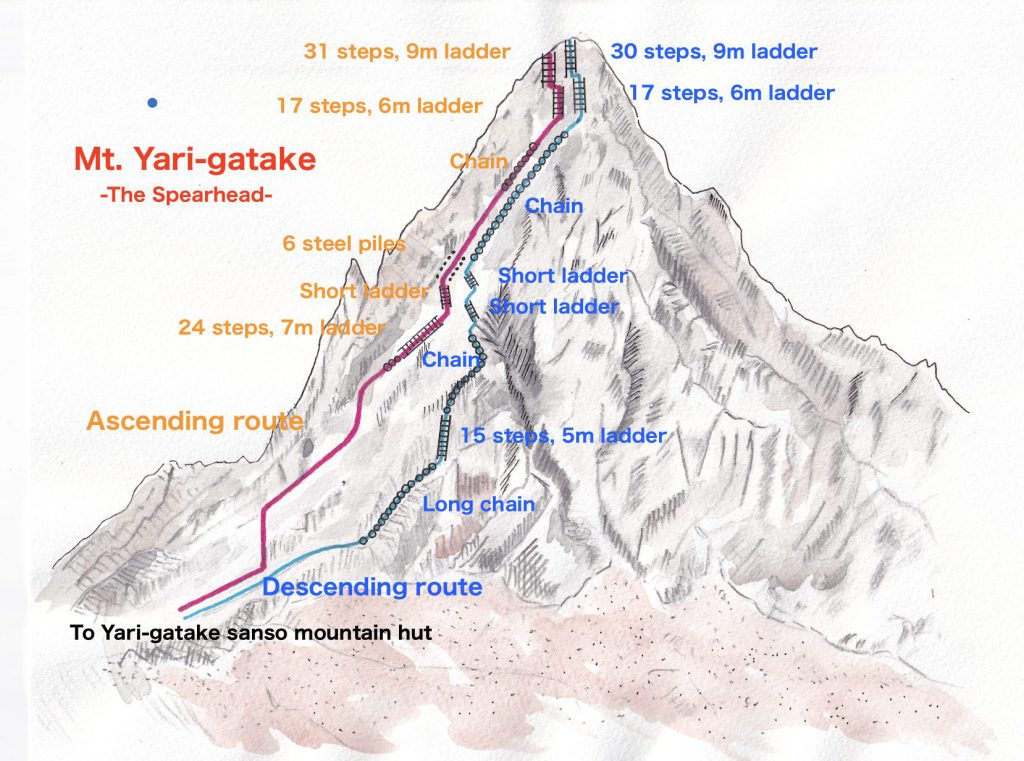
Credit: thejapanalps.com
Routes To The Summit
Embarking on the journey to Mount Yari’s summit offers various routes that cater to different skill levels and preferences.
Traditional Trails
- Known for their historical significance
- Include the Senjojiki Cirque and the Yarisawa Route
- Require sturdy hiking boots and proper gear
Alternative Pathways
- Offer unique perspectives of the mountain
- Consist of the Kotani and the Okabasawa Routes
- Appeal to adventurers seeking less crowded paths
Challenges On The Climb
Navigating Difficult Terrain
Mount Yari presents trekkers with various challenges, particularly when it comes to navigating difficult terrain. The rugged landscape, steep ascents, and narrow trails demand careful foot placement and a steady pace. Hikers encounter boulders, loose scree, and exposed ridges that require precise maneuvering. The route involves scrambling over rocks and traversing sections with no defined trail, adding an element of adventure to the climb.
Altitude Sickness Prevention
As climbers ascend Mount Yari, the risk of altitude sickness becomes a concern. Adequate acclimatization and hydration are essential to prevent this condition. It’s crucial for hikers to ascend gradually, allowing their bodies to adjust to the decreasing oxygen levels. Additionally, maintaining proper fluid intake and recognizing the symptoms of altitude sickness are vital for a safe and successful ascent. By taking necessary precautions, climbers can mitigate the effects of altitude and enjoy the breathtaking views from the summit.
Safety Protocols
When embarking on a journey to Mount Yari, prioritizing safety protocols is essential for a successful and secure adventure. Understanding emergency procedures and being prepared for wildlife encounters is crucial for hikers and climbers. Here are the safety protocols you need to know before setting out on your Mount Yari expedition.
Emergency Procedures
Ensure you are equipped with a first-aid kit, emergency blanket, and a communication device to signal for help in case of accidents or injuries.
- Carry a map and compass to aid navigation in case you get lost.
- Inform someone about your hiking plans and expected return time.
Wildlife Encounters
Be cautious of wildlife encounters and follow these guidelines to ensure your safety:
- Avoid direct eye contact with wild animals and maintain a safe distance.
- Store food securely to prevent attracting wildlife to your campsite.
The Climbing Community
The Climbing Community at Mount Yari is a tight-knit group of adventurers sharing a passion for conquering this majestic peak.
Guides And Porters
Professional guides and porters are vital for ensuring a safe and successful ascent of Mount Yari.
Fellow Climbers’ Experiences
Connecting with fellow climbers allows for shared stories and advice, enriching the overall experience.
Base Camp Amenities
Discover the base camp amenities at Mount Yari, offering essential facilities for trekkers and climbers. Enjoy comfortable lodging, hot meals, and stunning views amidst the rugged mountain landscape. Experience a well-equipped hub for rest and rejuvenation during your mountain adventure.
Base Camp Amenities at Mount Yari: Accommodation Options, Food and Water Sources If you’re planning to climb Mount Yari in Japan, you’ll be pleased to know that the base camp offers some basic amenities to make your stay more comfortable. Here’s a breakdown of the accommodation options, food and water sources available at the base camp. Accommodation Options: – There are two types of accommodation available at Mount Yari base camp: mountain huts and tent sites. – The mountain huts are basic but provide some shelter from the elements. They are equipped with bunk beds and sleeping bags, and can accommodate up to 100 climbers. – Tent sites are also available for those who prefer to bring their own tent. However, it’s important to note that the tent sites do not have any facilities, so climbers must bring their own water and food. Food and Water Sources: – There is a small convenience store at the base camp that sells some basic supplies such as water, snacks, and instant noodles. – However, it’s recommended that climbers bring their own food and water supplies as the convenience store may not always be open. – Water sources are available near the base camp, but climbers must bring a water filter or purification tablets to ensure the water is safe to drink. Overall, while the amenities at Mount Yari base camp may be basic, they provide enough to make your stay comfortable and allow you to focus on the climb itself. Just be sure to bring enough supplies to last your stay, and to respect the environment by properly disposing of any waste.Cultural Experiences Along The Trail
Embarking on a journey to Mount Yari not only offers breathtaking natural beauty, but also provides an opportunity to immerse yourself in the rich cultural experiences of the region. The trail is dotted with local villages, temples, and shrines that showcase the traditions and heritage of the area.
Local Villages And Traditions
As you hike along the trail, you will encounter several charming local villages nestled amidst the picturesque mountain scenery. These villages offer a glimpse into the daily lives and unique traditions of the local inhabitants.
One such village is Kamikochi, known for its traditional architecture and warm hospitality. Here, you can witness the locals going about their daily activities, such as farming, fishing, and crafting traditional handicrafts.
Another village worth exploring is Hirayu, famous for its hot springs. After a long day of hiking, you can relax and rejuvenate in these soothing natural springs, while also learning about the traditional bathing customs followed by the locals.
Temples And Shrines
Along the trail, you will also come across temples and shrines that hold great cultural and religious significance. These sacred sites offer a peaceful respite and a chance to connect with the spiritual side of the journey.
One such temple is the Takayama Hachimangu Shrine, known for its beautiful architecture and serene atmosphere. Visitors can pay their respects, participate in traditional ceremonies, and experience the tranquility of the surroundings.
Another noteworthy temple is the Shin-Hotaka Ropeway, which takes you up to the Nagano Prefecture. Here, you can visit the Shin-Hotaka Onsen and enjoy the therapeutic benefits of the natural hot springs while taking in panoramic views of the surrounding mountains.
These cultural experiences along the trail not only add depth to your journey but also provide a deeper understanding of the local heritage and traditions. Exploring the local villages, temples, and shrines allows you to connect with the soul of the region and create lasting memories.

Credit: en.wikipedia.org
Environmental Conservation Efforts
Protecting The Alpine Ecosystem
Mount Yari’s unique alpine ecosystem is safeguarded through stringent conservation efforts. The delicate balance of flora and fauna is preserved through strict regulations and awareness campaigns.
Responsible Climbing Practices
Climbers are educated on ethical practices to minimize their impact on the environment. Leave-no-trace principles are emphasized, ensuring the pristine beauty of Mount Yari remains unspoiled.
Photography And Memory-making
Explore the majestic beauty of Mount Yari through the lens of photography and create everlasting memories. Capture the breathtaking landscapes and preserve the essence of this iconic mountain. Photography serves as a powerful tool to immortalize the unforgettable moments spent in the awe-inspiring surroundings of Mount Yari.
Capturing The Landscape
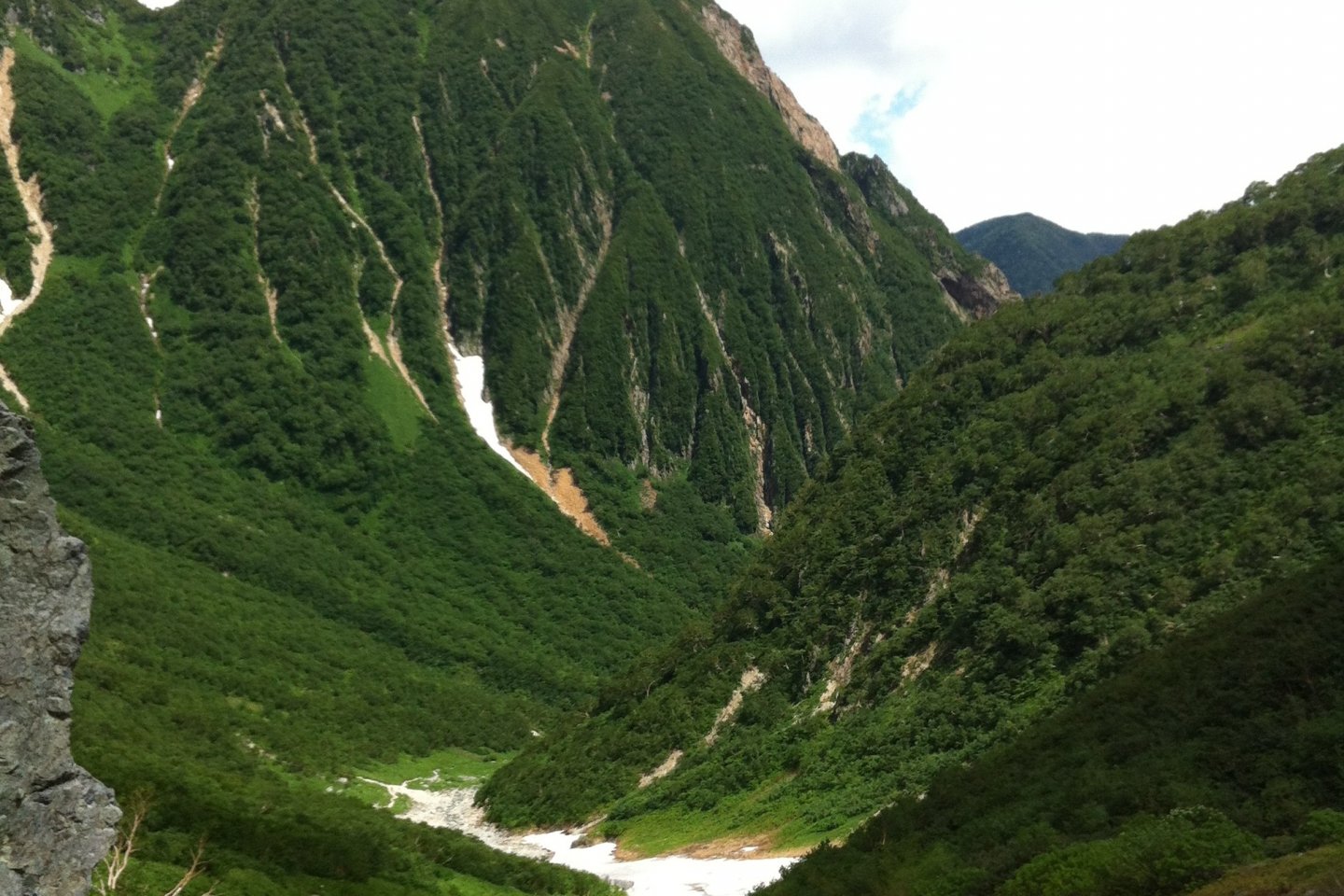
Mount Yari’s majestic peaks are a photographer’s dream.
- Golden hour captures the mountain’s beauty.
- Each shot tells a unique story.
Personal Souvenirs
Memories etched in photographs last a lifetime.
- Each picture evokes cherished moments.
- Photographs freeze time in a single frame.
Credit: en.japantravel.com
Summit Rewards
Reaching the summit of Mount Yari offers an array of rewarding experiences that make the challenging ascent well worth it. The panoramic views, the sense of personal accomplishment, and the unparalleled connection with nature all contribute to the summit rewards.
Panoramic Views
Standing atop Mount Yari, you’ll be greeted by breathtaking panoramic views of the Northern Alps of Japan. The stunning vistas showcase a tapestry of jagged peaks, verdant valleys, and the vast expanse of untouched wilderness. The unparalleled beauty of the landscape from this vantage point is a visual feast for the eyes and a photographer’s dream.
Personal Accomplishment
The sense of personal accomplishment upon conquering Mount Yari is truly unparalleled. The challenging trek to the summit pushes your physical and mental limits, making the achievement all the more gratifying. Standing at the peak, you’ll feel a profound sense of triumph and fulfillment, knowing that you’ve overcome the obstacles and reached the top.
Descending Mount Yari
Mount Yari offers a thrilling adventure for climbers seeking a challenge. Descending this majestic peak rewards hikers with stunning views and a sense of accomplishment. Experience the beauty and excitement of Mount Yari’s descent today.
Descending Mount Yari can be just as challenging as ascending it. After reaching the summit and taking in the breathtaking views, it’s time to carefully plan for the descent. Careful planning is crucial to ensure a safe and successful descent. Here are some important factors to consider when descending Mount Yari:Careful Planning
Before beginning the descent, it’s important to assess the condition of your body and equipment. Check your gear to ensure everything is in good working order and make any necessary repairs or replacements. Take note of any injuries or fatigue you may be experiencing and plan your descent accordingly. It’s also important to consider the weather forecast and adjust your plans accordingly. During the descent, it’s important to take breaks as needed and stay hydrated. Descending can be tough on the knees and joints, so take extra care to avoid injury. Utilize trekking poles to help distribute weight and reduce strain on your body. It’s also important to stay on the designated trail and avoid shortcuts or alternate routes, as they can be dangerous and potentially lead to injury.Recovery Post-climb
After successfully descending Mount Yari, it’s important to prioritize recovery. Take time to rest and allow your body to recover from the physical exertion of the climb. Proper nutrition and hydration are important to aid in recovery and help your body rebuild muscle and replenish energy stores. Stretching and light exercise can also help improve circulation and aid in recovery. In conclusion, descending Mount Yari requires careful planning and attention to detail. By taking the necessary precautions and prioritizing recovery post-climb, you can ensure a safe and successful descent.Extending The Adventure
Once you’ve conquered the majestic Mount Yari, the adventure doesn’t have to end there. The surrounding area offers a plethora of attractions and opportunities for exploration. From nearby peaks to unique cultural experiences, there is something to suit every adventurer’s taste. So, let’s dive into the possibilities that await you after your exhilarating Mount Yari expedition.
Nearby Attractions
When you’re ready to discover more of the breathtaking Japanese Alps, there are several nearby attractions that will surely pique your interest. One such attraction is the iconic Mount Hotaka, standing tall at 3,190 meters. Embark on a thrilling hike to its summit and be rewarded with panoramic views that will leave you in awe.
If you’re a fan of picturesque landscapes, the Kamikochi Valley is a must-visit destination. Known as the “Japan Alps’ Yosemite,” this stunning valley offers stunning views of snow-capped peaks, crystal-clear rivers, and vibrant alpine flowers.
For those seeking a cultural experience, a visit to the historic Matsumoto Castle is highly recommended. This well-preserved castle dates back over 400 years and showcases the architectural beauty of feudal Japan. Take a step back in time as you explore the castle grounds and learn about its fascinating history.
Combining Peaks
For the avid mountaineer looking to push their limits, combining peaks is an excellent way to extend your adventure in the Japanese Alps. Mount Yari serves as an ideal starting point for conquering other nearby peaks, such as Mount Hotaka and Mount Myojin. These interconnected routes offer a challenging yet rewarding experience for those seeking to push their physical and mental boundaries.
When planning your multi-peak adventure, it’s important to consider the varying difficulty levels and weather conditions of each mountain. Proper preparation and research are key to ensuring a safe and enjoyable experience. Remember to pack essential gear, stay hydrated, and be mindful of your physical limits.
Embarking on a multi-peak expedition not only provides an adrenaline-pumping adventure but also allows you to witness the diverse beauty of the Japanese Alps from different vantage points. Each peak offers its own unique charm, ensuring that every step of your journey is filled with awe-inspiring moments and unforgettable memories.
Tales From The Top
At the summit of Mount Yari, ‘Tales from the Top’ come to life, echoing the experiences and legends of those who have conquered this majestic peak.
Climbers’ Stories
Climbers share their triumphs, struggles, and awe-inspiring moments from Mount Yari’s challenging ascent.
Legends Of The Mountain
Ancient folklore weaves tales of mystical creatures and spirits that roam the slopes of Mount Yari.
Preparing For Future Climbs
Embarking on a challenging climb like Mount Yari is a rewarding experience that leaves climbers with valuable skills and a desire to conquer new heights. Let’s explore how climbers can prepare for future climbs after summiting Mount Yari.
Skills And Experience Gained
- Improved stamina and endurance
- Enhanced rock climbing techniques
- Increased mental resilience and determination
- Advanced navigation and route planning skills
Setting New Goals
- Choose a more difficult peak to climb
- Participate in a multi-day climbing expedition
- Master a new climbing technique or skill
- Join a mountaineering club for regular climbs
Contribution To Local Economy
Mount Yari, located in the Northern Japan Alps, has a significant impact on the local economy, attracting tourists from near and far. The breathtaking landscapes and challenging hiking trails make it a popular destination for outdoor enthusiasts. Let’s explore how Mount Yari contributes to the local economy.
Tourism Impact
The tourism industry around Mount Yari plays a crucial role in supporting the local economy. The awe-inspiring beauty of the mountain attracts visitors from all over the world, leading to an increase in tourist spending. This includes accommodation, transportation, dining, and various recreational activities.
Supporting Local Businesses
The influx of tourists to Mount Yari creates opportunities for local businesses to thrive. Hotels, guesthouses, and camping sites cater to the accommodation needs of visitors, providing them with a comfortable stay. Local restaurants and eateries benefit from the increased footfall, serving delicious meals to hungry hikers. Additionally, shops offering outdoor gear and equipment see a boost in sales as tourists prepare for their mountain adventure.
The economic impact of Mount Yari extends beyond the immediate tourism-related businesses. Local transportation services, such as taxis and buses, experience increased demand as visitors travel to and from the mountain. Moreover, the presence of Mount Yari also attracts investment in infrastructure development, creating jobs and stimulating economic growth in the region.
In conclusion, Mount Yari’s contribution to the local economy cannot be overstated. The tourism industry it supports generates revenue for various businesses, from accommodation providers to local restaurants and shops. This economic activity not only benefits the immediate community but also has a ripple effect, driving growth and development in the surrounding region.
Reflections On Mount Yari
Mount Yari is a majestic mountain located in the Northern Japan Alps, standing tall at 3,180 meters. It is a popular destination for mountain climbers, hikers, and nature lovers from all over the world. But Mount Yari is more than just a mountain; it holds spiritual significance and has been a pilgrimage site for centuries. In this section, we will explore the spiritual significance of Mount Yari and the mountaineer’s journey.
Spiritual Significance
Mount Yari has been considered a sacred mountain for centuries, and its spiritual significance is deeply rooted in Japanese culture. It is believed that the mountain is home to the deity, Okuninushi-no-Mikoto, who is revered as the god of matchmaking, business, and medicine. Many people visit Mount Yari to pray for good fortune, success, and health.
In addition, Mount Yari is also known for its stunning natural beauty, which is believed to have healing powers. The mountain’s pristine forests, crystal-clear streams, and fresh mountain air are said to have a calming effect on the mind, body, and soul. Many visitors to Mount Yari describe feeling a deep sense of peace and tranquility while exploring its natural beauty.
The Mountaineer’s Journey
Mount Yari is a challenging climb, and the mountaineer’s journey to the summit is a test of physical and mental endurance. The climb can take up to two days, and climbers must navigate steep inclines, rocky terrain, and unpredictable weather conditions. However, the reward for reaching the summit is breathtaking views of the surrounding mountains and valleys.
The journey to the top of Mount Yari is not just a physical challenge but also a spiritual one. Many climbers describe feeling a deep sense of accomplishment and inner peace upon reaching the summit. The experience of being surrounded by nature’s beauty and overcoming physical and mental obstacles is a transformative experience that stays with climbers long after they leave the mountain.
Frequently Asked Questions
What Does Yarigatake Mean?
Yarigatake is a mountain located in the Japanese Alps, with an elevation of 3,180 meters. Its name translates to “spear peak” in English, due to its distinct shape resembling a spear. It is a popular destination for hikers and mountaineers in Japan.
How Much Elevation Gain Is At Yarigatake?
Yarigatake has an elevation gain of approximately 1,000 meters.
What Is Mount Yari?
Mount Yari is a mountain located in the Northern Japanese Alps, with an elevation of 3,180 meters. It is one of the most popular peaks for hikers and climbers due to its stunning views and challenging trails.
How Do I Get To Mount Yari?
The nearest city to Mount Yari is Matsumoto, and from there you can take a bus to Kamikochi. From Kamikochi, it takes around 6-8 hours to reach the summit of Mount Yari, depending on the route you take.
Conclusion
Mount Yari offers a thrilling and unforgettable hiking experience for outdoor enthusiasts. With its majestic peaks, breathtaking views, and challenging trails, this mountain is a haven for adventure seekers. Whether you’re a seasoned hiker or a beginner looking for a new challenge, Mount Yari has something to offer everyone.
So lace up your boots, pack your gear, and get ready to embark on an unforgettable journey in the heart of nature. Discover the beauty and serenity of Mount Yari today!
