
Japanese ramen street food offers a rich and flavorful culinary experience. It’s a popular and beloved dish in Japan.
Ramen is a quintessential part of Japanese street food culture. Vendors serve steaming bowls of noodles, savory broth, and various toppings. Each region in Japan has its own unique style and flavor. Tokyo ramen often features soy-based broth, while Hokkaido prefers a miso base.
Street vendors use fresh ingredients to create an authentic taste. Ramen is not just food; it’s an experience. Watching skilled chefs prepare it adds to its charm. The aroma, texture, and taste make ramen an unforgettable delight. Enjoying a bowl of ramen on the streets of Japan is a must-try experience for any food lover.
Introduction To Ramen
Japanese Ramen Street Food offers a delicious, savory experience with its rich broth and flavorful noodles. Each bowl showcases a blend of spices and fresh ingredients, making it a must-try for food enthusiasts.
Origins And History
Ramen started in China. Japanese people made it popular. Ramen means “pulled noodles” in Chinese. It came to Japan in the early 1900s. Many people loved it because it was cheap and tasty. During World War II, ramen became even more popular. People ate it to stay full and warm. Today, ramen is enjoyed all around the world.
Global Popularity
Ramen is not just in Japan. You can find it in many countries. Each country adds its own twist. Some like it spicy, others like it mild. There are ramen shops in big cities and small towns. People love its rich broth and chewy noodles. Ramen festivals happen all over the world. These festivals celebrate different styles and flavors. It shows how ramen has become a global food.

Types Of Ramen
Japanese Ramen Street Food offers a variety of ramen types like Shoyu, Miso, Shio, and Tonkotsu. Each ramen type features unique broths and toppings, creating distinct flavors and textures. Perfect for satisfying street food cravings.
Shoyu Ramen
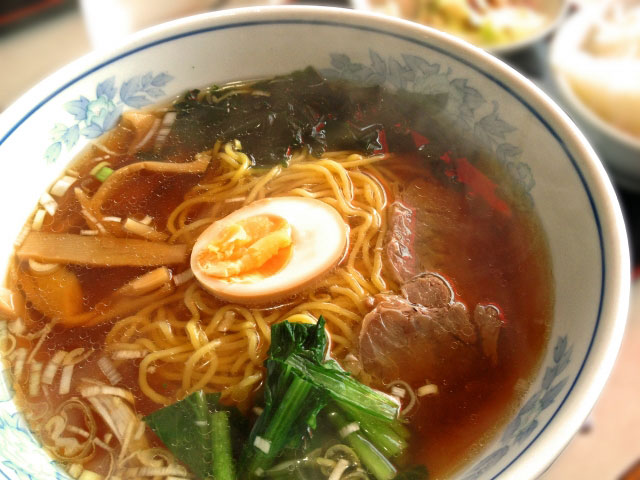
Shoyu Ramen is made with soy sauce. The broth has a savory and slightly sweet flavor. It often includes toppings like chicken, bamboo shoots, and scallions.
Miso Ramen
Miso Ramen features a rich, hearty broth. The broth is made with fermented soybean paste. Common toppings are corn, butter, and bean sprouts. It is especially popular in Hokkaido.
Shio Ramen
Shio Ramen is known for its clear, salty broth. It is the oldest type of ramen in Japan. Ingredients often include seafood, pork, and seaweed. The taste is light yet flavorful.
Tonkotsu Ramen
Tonkotsu Ramen has a creamy, rich broth. The broth is made by boiling pork bones for hours. Toppings usually include chashu pork, garlic, and pickled ginger. This type is famous in Fukuoka.
Essential Ingredients
Japanese ramen street food thrives on essential ingredients like rich broth, tender noodles, and fresh toppings. Unique flavors come from soy sauce, miso, and pork. Savoring each bowl offers a taste of authentic Japanese cuisine.
Broth Basics
Ramen broth is the heart of the dish. It can be made from pork, chicken, or fish. A rich, flavorful broth is key. Soy sauce or miso adds depth. Kombu (seaweed) and bonito flakes often enhance umami.
Noodles Variety
Ramen noodles are usually wheat-based. They can be thick or thin. Some are straight, others wavy. Fresh noodles are preferred for their texture. Instant noodles are a quick alternative. Egg noodles add a richer taste.
Toppings Galore
Ramen is not complete without toppings. Chashu pork is a popular choice. Soft-boiled eggs add creaminess. Nori seaweed, bamboo shoots, and scallions provide crunch. Corn and butter are Hokkaido specialties. Naruto fish cakes add color and flavor.
Famous Ramen Streets
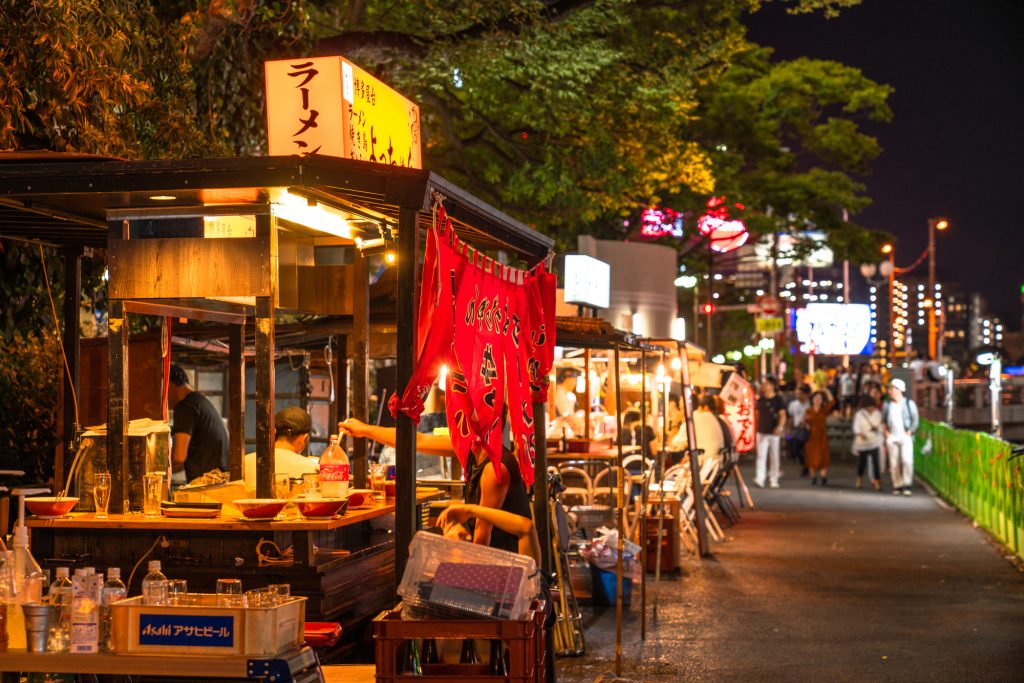
Tokyo’s Ramen Street is a popular spot for ramen lovers. It’s located in Tokyo Station. This street has many famous ramen shops. Each shop offers a unique flavor. Some shops serve spicy ramen. Others have rich, creamy broth. The noodles are always delicious. Many tourists visit this street daily. Locals also love eating here. The atmosphere is vibrant and lively.
Osaka’s Ramen Alley is another great place for ramen. It’s in the bustling city of Osaka. The alley is filled with small ramen shops. Each shop has its own special recipe. Some shops use pork broth. Others use chicken or seafood broth. The noodles are always fresh and tasty. People line up to taste the different varieties. The alley is a must-visit for ramen fans.
Unique Regional Varieties
Hokkaido’s ramen is famous for its rich miso flavor. This ramen is perfect for cold weather. The broth is thick and creamy. Locals love adding butter and corn as toppings. These ingredients make the soup even tastier. Sapporo, a city in Hokkaido, is well-known for this type of ramen. Many street vendors sell it hot and fresh.
Kyushu’s ramen has a unique tonkotsu broth. This broth is made from pork bones. It is cooked for many hours. The result is a rich and creamy soup. This ramen is usually topped with green onions and pickled ginger. Fukuoka, a city in Kyushu, is famous for its tonkotsu ramen. Many people travel there just to taste it.
Ramen Culture
Slurping your noodles is a sign of appreciation. It shows the chef you love the meal. Use chopsticks to pick up noodles and toppings. Sip the broth directly from the bowl. Do not bite noodles in half; eat them whole. Place your chopsticks on the holder when not using them. Never stick chopsticks upright in the bowl. This resembles funeral rituals. Share your meal by passing a bowl, not chopsticks. Always say “Itadakimasu” before eating and “Gochisousama” after finishing.
Ramen has a huge fan base in pop culture. Many anime characters enjoy ramen. Naruto is famous for loving ramen. Movies often show ramen shops. People love the cozy atmosphere. Ramen bowls appear in video games too. Virtual characters slurp noodles with joy. Social media is filled with ramen photos. Food bloggers share their favorite ramen spots. Ramen festivals attract many visitors. People celebrate their love for this dish.
Tips For Ramen Enthusiasts
Slurping ramen is important. It enhances the flavor. Start by tasting the broth. Then pick up some noodles with chopsticks. Bring the noodles close to your mouth. Use a gentle sucking motion. This cools the noodles and mixes flavors. Slurping is considered polite in Japan. It shows you enjoy the meal.
Explore small alleys and side streets. Many great ramen shops are hidden. Look for places with long lines. Locals know the best spots. Ask for recommendations from residents. Check online reviews and food blogs. Hidden gems often have unique flavors. These places may offer special regional styles.
Making Ramen At Home
Start with a basic broth. Use chicken or vegetable stock. Boil the stock with garlic and ginger. Add soy sauce and miso paste. Cook noodles in a separate pot. Mix the noodles with the hot broth. Top with sliced green onions and boiled eggs. Add some seaweed and corn. Enjoy your simple homemade ramen.
Try making your own noodles. Mix flour, water, and kansui. Knead the dough well. Let it rest for 30 minutes. Roll out the dough thinly. Cut into long, thin strips. Cook in boiling water for 2 minutes.
Prepare a rich pork broth. Simmer pork bones for 12 hours. Add soy sauce, mirin, and sake. Strain the broth well. Use this broth for a deeper flavor. Add toppings like chashu pork, bamboo shoots, and soft-boiled eggs.
Frequently Asked Questions
What Is Japanese Ramen Street Food?
Japanese ramen street food is a popular dish. It consists of noodles in a flavorful broth. Toppings include meat, vegetables, and eggs.
Where Can You Find Ramen Street Food In Japan?
You can find ramen street food in various places. Popular spots include Tokyo, Osaka, and street markets. Look for food stalls and small shops.
What Makes Japanese Ramen Unique?
Japanese ramen is unique due to its rich broth. It combines flavors like soy, miso, or tonkotsu. Fresh ingredients and regional variations add uniqueness.
How Is Ramen Street Food Prepared?
Ramen street food is prepared by boiling noodles. The broth is cooked separately with spices. Toppings are added just before serving.
Conclusion
Japanese ramen street food offers a delightful culinary experience. Each bowl is packed with rich flavors and unique ingredients. Exploring these street stalls can be an adventure in itself. Don’t miss the chance to taste authentic Japanese ramen. It’s a delicious journey worth taking for any food lover.
