
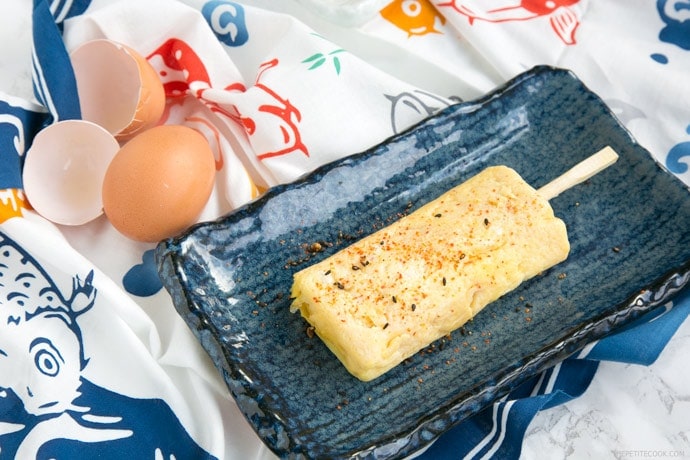
Japanese omelette street food, known as Tamagoyaki, is a popular and delicious snack. It features sweet, savory rolled omelets.
Tamagoyaki is a beloved street food in Japan, often found in bustling markets and food stalls. Made with beaten eggs, sugar, and soy sauce, the mixture is cooked in thin layers and rolled into a fluffy, cylindrical shape. Vendors expertly prepare it on rectangular pans, creating a delightful texture and flavor.
Each bite offers a perfect balance of sweetness and umami, making it a crowd favorite. Tamagoyaki is not only tasty but also visually appealing, often garnished with green onions or seaweed. Its unique taste and preparation make it a must-try for food enthusiasts.
Introduction To Japanese Omelette
Japanese omelette, known as Tamagoyaki, has a rich history. It became popular in the Edo period. People enjoyed its unique taste. It was a favorite among the samurai. They loved its sweetness and texture. Over time, it evolved with various styles and ingredients.
Today, Tamagoyaki is a beloved street food. Vendors prepare it on hot grills. Its fluffy texture and sweet flavor attract many. People of all ages enjoy it. It’s a must-try when visiting Japan. Watching it being made is fascinating. The chef’s skill adds to the experience.

Ingredients And Essentials
Japanese omelette street food features fluffy, savory tamagoyaki made with eggs, dashi broth, and soy sauce. Vendors skillfully roll layers on a hot pan, creating a delicious, portable treat.
Core Ingredients
The main ingredients for a Japanese omelette are eggs, soy sauce, and sugar. Dashi stock adds a rich flavor. Green onions and seaweed are optional but add a nice touch. Fresh ingredients are key for the best taste.
Special Equipment
A Tamagoyaki pan is essential. It has a rectangular shape. You also need chopsticks or a spatula to flip the omelette. A whisk helps to mix the eggs well. Non-stick pans make the cooking process easier.
Mastering The Technique
Start by beating the eggs very well. Add sugar, salt, and soy sauce. Heat a pan over medium heat. Pour a thin layer of egg mixture. Let it cook until almost set. Roll the omelette to one side. Pour another layer of egg. Cook and roll again. Repeat until all the egg is used. Slice the omelette into pieces. Serve it hot.
People often cook on high heat. This burns the omelette. Stirring the eggs too much is also a problem. It makes the omelette tough. Not rolling tightly can break the omelette. Adding too much filling can cause a mess. Using a non-stick pan helps avoid sticking. Always keep an eye on the omelette while cooking.
Regional Variations
Tokyo’s omelettes are known for their sweet and fluffy texture. Cooks use a mix of eggs, sugar, and a bit of soy sauce. They often add dashi, a type of fish broth. This gives the omelette a unique, rich flavor. Street vendors roll the omelette into layers. Each bite tastes soft and slightly sweet.
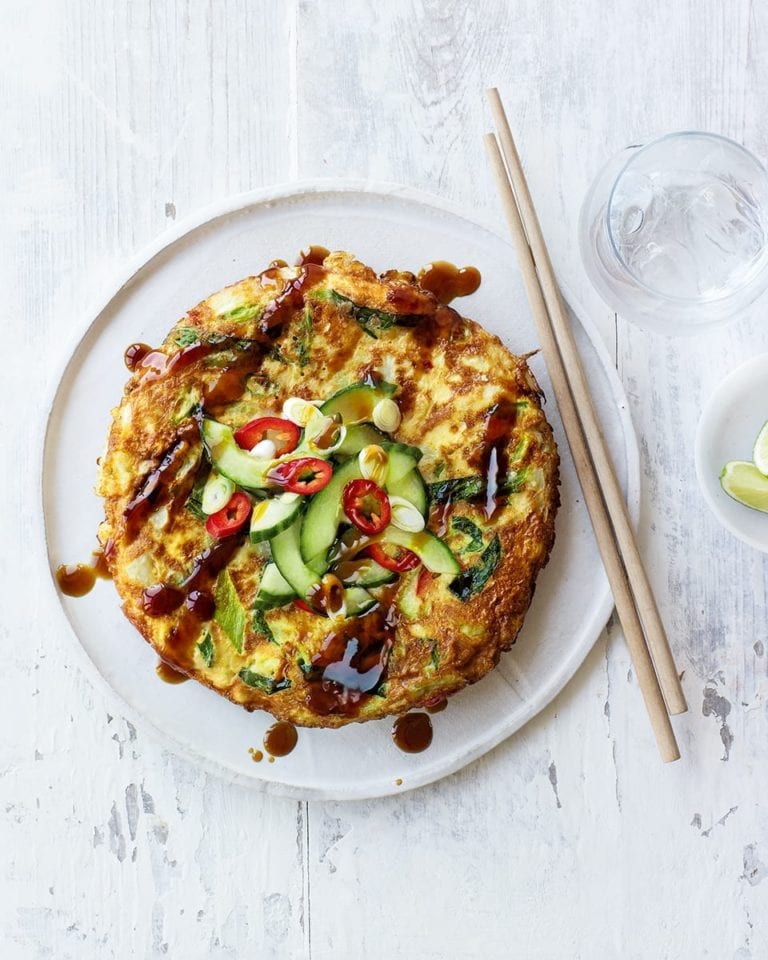
Osaka’s omelettes are different from Tokyo’s. They are more savory and hearty. Chefs mix eggs with vegetables like cabbage. They also add meats such as pork or beef. The omelette is then fried on a griddle. It is often topped with sauces like okonomiyaki sauce and mayonnaise. Some vendors sprinkle bonito flakes on top. This adds an extra layer of flavor.
Street Food Experience
Japanese street markets are lively and colorful. They offer a variety of foods. The smells are amazing. You can find many food stalls here. Each stall has its own special dish. People love the tasty treats. The markets are always busy. Local people and tourists visit them often. You can see chefs cooking fresh food. It’s a fun experience for everyone.
Some vendors are very famous. They have been serving food for many years. Their omelettes are the best. People wait in long lines to try them. The vendors use fresh ingredients. They cook the omelettes perfectly. The flavor is unique and delicious. Many vendors have secret recipes. They keep their methods a secret. Everyone loves their food.
Pairing And Serving
Japanese omelette pairs well with steamed rice. Add some pickled vegetables for a tangy taste. Miso soup is a classic side dish. It adds warmth and depth to the meal. Include a small serving of seaweed salad for a fresh crunch. These sides create a balanced and flavorful experience.
Try serving the omelette with avocado slices. The creamy texture complements the dish well. A drizzle of sriracha sauce adds a spicy kick. Some people enjoy it with a side of sweet potato fries. This adds a unique twist to the traditional meal. Another option is to top the omelette with microgreens for a fresh touch.
Health Benefits
Japanese omelettes are rich in proteins. They also provide vitamins like B12 and D. These nutrients help in muscle growth and immune support. The dish also includes minerals like iron and calcium. This helps in bone health. Low in calories, it is a great choice for a healthy diet.
Adding vegetables like spinach and bell peppers can make it healthier. Using olive oil instead of butter reduces bad fats. Opt for low-sodium soy sauce to cut down on salt. Including whole grain rice as a side dish adds fiber. This makes the meal more balanced.
Cooking At Home
Experience the delightful flavors of Japanese Omelette Street Food at home. This savory dish combines fluffy eggs with a sweet, tangy sauce. Perfect for a quick, delicious meal.
Easy Recipes
Making a Japanese omelette at home is fun. Start with fresh eggs and soy sauce. Beat the eggs well. Add a pinch of sugar for sweetness. Pour a thin layer into a hot pan. Roll it up when it sets. Repeat until you use all the egg mix. Serve with rice or noodles.
Tips For Beginners
Use a non-stick pan for easy cooking. Keep the heat on medium. Use chopsticks to roll the omelette. Practice makes perfect. Don’t worry if it’s not perfect the first time. Enjoy the process and have fun!
Cultural Significance
The Japanese omelette, known as Tamagoyaki, holds deep cultural meanings. It symbolizes simplicity and tradition. Many families pass down recipes through generations. This dish often appears in bento boxes and lunches. Its delicate layers represent patience and skill. Tamagoyaki is also a symbol of home cooking.
Tamagoyaki plays a key role in many Japanese festivals. During matsuri (festivals), street vendors sell them fresh and hot. They bring joy and comfort to festival-goers. The omelette’s sweet flavor appeals to both kids and adults. Families gather and enjoy this delicious treat together. It’s a staple in many celebrations and events.
Frequently Asked Questions
What Is A Japanese Omelette?
A Japanese omelette, also known as Tamagoyaki, is a sweet, layered egg dish. It’s a popular street food in Japan.
How Is Japanese Omelette Made?
Japanese omelettes are made by rolling thin layers of seasoned egg. Ingredients include sugar, soy sauce, and mirin.
Why Is Japanese Omelette Popular Street Food?
Japanese omelettes are popular due to their unique taste and texture. They are quick and easy to eat.
Can You Find Japanese Omelette Outside Japan?
Yes, Japanese omelettes are available in Japanese restaurants worldwide. They are also featured in bento boxes.
Conclusion
Japanese omelette street food offers a delightful culinary experience. Its unique flavors and textures captivate taste buds. This street food reflects Japan’s rich culinary tradition. Trying this dish provides an authentic and memorable experience. Don’t miss the chance to savor this delicious treat.
Enjoy the vibrant culture through its exquisite cuisine.
